- Home
- ...South America
 Peru
Peru- Chicama
Today's Surf Conditions at Chicama
Spot Overview & Description
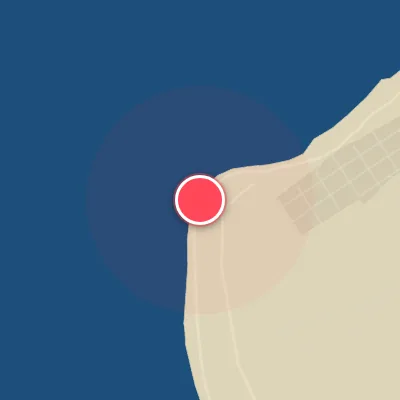
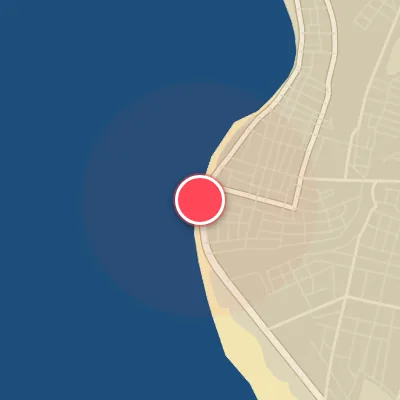
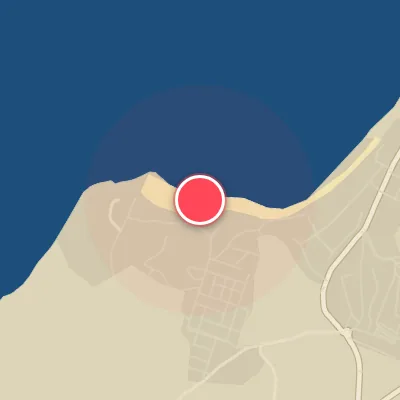
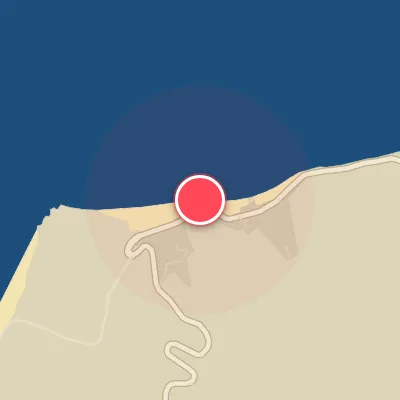
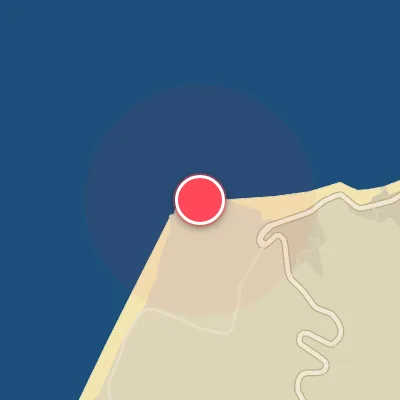
Chicama sits roughly halfway between Lima and the Ecuadorian border, a stark, arid stretch of Peru's northern coast where the desert meets the cold Pacific. The landscape is often shrouded in a thick sea fog, cloaking the horizon and lending an air of mystery to the legendary point. This is the longest wave in the world—a left-hander unfurling for more than four kilometers, from the outermost takeoff all the way to the fishing jetty. In practice, most surfers link a handful of rides through the distinct sections while drifting with the current, rather than one continuous 4-km glide. The vibe is relaxed, with a range of accommodations nearby to suit any budget, making it a mellow destination for wave-chasers. The wave is a textbook point break, peeling left over a mix of sand and scattered rock. It handles a broad swell window, but the magic happens with a south-southwest swell, ideally paired with a southeast wind that grooms the face. Size can vary from waist-high at around 0.6 meters to a formidable 4.5 meters (15 feet) on a solid winter swell. The current runs strong, actually helping to carry you into the next takeoff zone—though paddling back against it is a workout, so many opt to ride down the point and walk back along the beach. This current also makes wave-catching easier for surfers of all skill levels, so you’ll see everything from beginners on longboards to advanced shortboarders, funboards, and fish all working the same line. Tide-wise, Chicama remains rideable at low, mid, and high, though the character changes with the water level. Crowds are generally thin compared to other global icons, but when winter delivers proper swell, the lineup fills out. For those seeking a long, pressure-free session with plenty of room to stretch your legs—and your wave count—Chicama delivers a uniquely stunning, endlessly repeating left-hander.
Best Surf Season & Climatology
Best Surf Season (November - April)
Although a northwest-facing point would normally prefer N/NW swell, the climatological reality at Chicama is dominated by long-period SSW groundswell, with a secondary S component. The point's bathymetry wraps this southerly energy into the bay, and when combined with offshore S/SSE winds it produces the famous long lefts. From November through April, ideal wind percentages are at their highest - typically 72 to 91 percent - and average wave heights sit in the fun-to-solid 4-5ft (1.2-1.5m) range with 12-13 second periods. This is the most reliable window for groomed, rippable waves and warm water.
Detailed Surf Information for Chicama
Detailed Surf Forecast
Access our detailed 8-day swell and wind forecast charts for Chicama with tidal graphs, period ranges, and daily forecast text summaries.
Swell & Wind Statistics
Explore historical swell consistency, wave heights, and offshore wind windows month-by-month, compiled from over 40 years of data.
Historical Surf Report
Browse the historical database archives to view past wave reports and understand spot climatology during specific years and months.