- Home
- ...Australia
 Australia
- North Wall Ballina
Today's Surf Conditions at North Wall Ballina
Spot Overview & Description
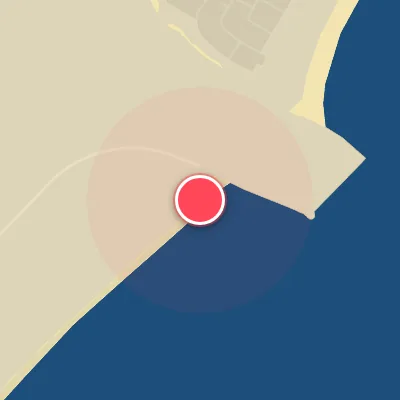
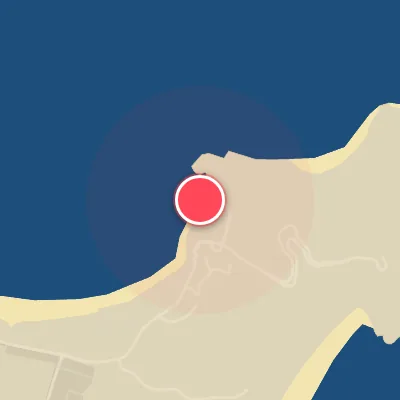
Ballina North Wall, better known to the faithful as Lighthouse Beach, anchors the Richmond River mouth with a classic, no-nonsense vibe. This is a spot where locals and traveling surfers alike converge when conditions line up, thanks to its unique shelter from southerly winds. While many surrounding beaches shut down when the swell pushes overhead, North Wall thrives, handling bigger, more powerful surf with relative ease. The wave itself is a wedging, fast-breaking right that comes to life when southeast swells hit the river-mouth sandbars. Northeast and south swells can also deliver, but the southeast angle gets the peak firing. It picks up swell from 1 foot and holds strong throughout the tidal cycle—low, mid, or high, it can be on. The real magic happens under southwest winds, which groom the face into clean, peeling lines. That said, this is not a learner’s wave. Intermediate skills are needed to navigate the shifting banks and the frequent crowd, which draws a tight-knit local crew who know every paddle and drop. A river-mouth wave has its own personality. The freshwater outflow adds weight and push to the swell, while also attracting baitfish—and the predators that follow. Shark encounters are part of the local lore, so smart surfers avoid solo sessions at dawn or dusk. Paddling out with the group, reading the lineup alongside the regulars, is the best way to enjoy North Wall safely. It’s a place that demands respect, but rewards those who earn it with some of the most dynamic, rippable rights on the Northern Rivers.
Best Surf Season & Climatology
Best Surf Season (May - September)
North Wall Ballina hits its stride through late autumn and winter. With an east-southeast facing beach, it is perfectly exposed to the Tasman Sea's relentless E, ESE, SE and SSE swell trains. From May onward the synoptic pattern over eastern Australia shifts, and the mean westerly belt pushes high pressure systems farther north. That brings increasing W, WNW, NW and NNW offshore winds, with ideal surf wind percentages climbing from 48 percent in May to a peak of 63 percent in July. Average wave periods stretch out to 9.5-9.6 seconds in June and July, turning the background 5ft (1.5m) of SSE/SE energy into clean, powerful, rippable surf. The cooler dry months are the most consistent window for quality waves at North Wall.
Detailed Surf Information for North Wall Ballina
Detailed Surf Forecast
Access our detailed 8-day swell and wind forecast charts for North Wall Ballina with tidal graphs, period ranges, and daily forecast text summaries.
Swell & Wind Statistics
Explore historical swell consistency, wave heights, and offshore wind windows month-by-month, compiled from over 40 years of data.
Historical Surf Report
Browse the historical database archives to view past wave reports and understand spot climatology during specific years and months.