Map
Map
Banzai
Today's Surf Conditions at Banzai
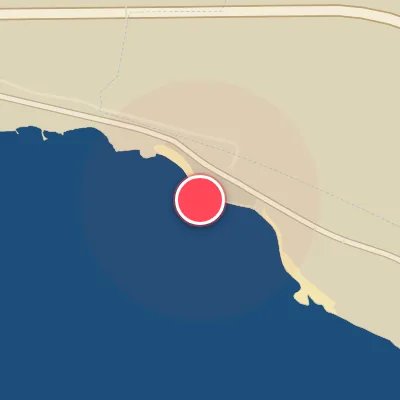
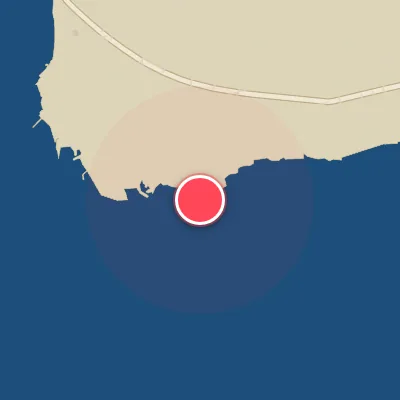
Spot Conditions Map
Hover over the hourly chart columns to update the wind & swell direction overlays on the map.
Today's Surf & Wind Forecast (Hourly)
Loading forecast text...
Spot Overview & Description
Banzai sits just south of Santa Marinella along the SS 1 Aurelia, a classic Mediterranean reefbreak that has earned its stripes among the Italian surfing community. This spot has long been a local staple, beloved for its consistent, workable waves that draw a dedicated crowd. Expect company—especially on weekends and when a decent swell fills in—so come prepared for a lively lineup. The reef here is anything but predictable, an uneven, textured bottom that dishes out both left and right-hand peaks. Surge handles a wide range of swell directions: southwest, southeast, and northwest all can light it up. Sweet spot is anywhere from 0.6 to 2 meters (2 to 6.5 feet), where the reef starts to focus the energy into clean, rippable walls. Tide-wise, Banzai is forgiving—low, mid, and high all offer rideable windows—but the magic happens when a light northeasterly breeze polishes the surface, scrubbing out chop and leaving behind glassy, lined-up sets. Best suited for intermediate surfers who can handle a shifting reef bottom and a bit of a local vibe. Beginners may find the takeoff zone and crowd dynamic challenging. If the lineup feels too packed, don’t sweat it—this stretch of coast is peppered with other peaks worth checking for a change of pace. For real-time eyes on the water, a webcam is live at www.surf.it, so you can scout conditions before you paddle out.
Best Surf Season & Climatology
Best Surf Season (November - March)
The heart of the European winter brings the most consistent swell to Banzai. As low-pressure systems march across the North Atlantic and deep troughs dig into the Mediterranean, we see a marked increase in both average wave height and period. November through March sees average heights hovering around 0.8-1.0m and periods averaging 5.0-5.2s. The dominant swell direction is from the SSW and WSW, which are ideal for this SSW-facing beach. However, the windows of truly good surf are often limited by the wind. Offshore winds from the N, NNE, and NE are most common in the wake of passing cold fronts, but they still only occur about 20-22% of the time during these months. When the stars align – a solid SW swell with a strong NE wind – Banzai can pump with fun 1-1.5m sets that offer long, rippable walls. December and January are statistically the best, with the highest percentage of ideal wind and the most powerful swell.
Fair Surf Season (April, May, September, October)
During the shoulder seasons, the energy levels drop but the potential for great sessions remains. April and May see a decline in average swell height to 0.6-0.7m with shorter periods around 4.5-5.0s. The wind patterns become fickle; the N/NE offshore flow weakens but is still present around 12-17% of the time. Swell directions are still dominated by the S-SW quadrant, giving Banzai shape, but the smaller size often means groveling conditions on a shortboard. Conversely, September and October mark the transition back towards winter. September still suffers from summer's lingering heat and stable high pressure, resulting in low wave heights (0.6-0.7m) and a low 12-14% ideal wind. October sees the first uptick in swell size as autumn storms begin to spin up, but the period remains short. While not as consistent as winter, these months can offer the occasional diamond day with clean, 1m+ swell and offshore breezes, often in the wake of an early-season cold front.
Low Surf Season (June - August)
Summer is a quiet period for Banzai. The Mediterranean settles into a typical high-pressure regime, and the swell engine stalls. Average wave heights plummet to 0.5m and periods drop to just 4.0-4.2s. The prevailing winds during these months shift to onshore directions from the SW and W, which directly ruin the wave quality at this SSW-facing break. Ideal offshore winds from the N-NE sector occur only 8-9% of the time. Most of the swell that does arrive is from the S-SW quadrant but is weak and often accompanied by side-shore or onshore breezes. Surfing is possible on a log or a foil, but expect mostly small, choppy conditions. It's the low season for a reason – best to chase summer swells elsewhere or enjoy the beach vibe when the sea is glass.
Detailed Surf Information for Banzai
Detailed Surf Forecast
Access our detailed 8-day swell and wind forecast charts for Banzai with tidal graphs, period ranges, and daily forecast text summaries.
Swell & Wind Statistics
Explore historical swell consistency, wave heights, and offshore wind windows month-by-month, compiled from over 40 years of data.
Historical Surf Report
Browse the historical database archives to view past wave reports and understand spot climatology during specific years and months.