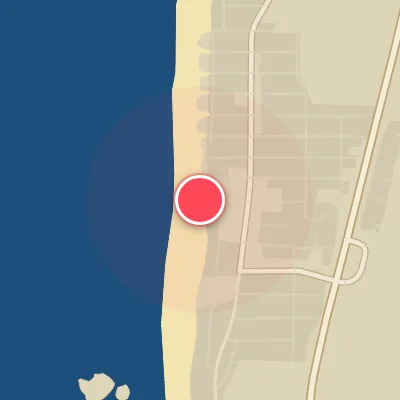
Map
Map
Cox Bay
Today's Surf Conditions at Cox Bay
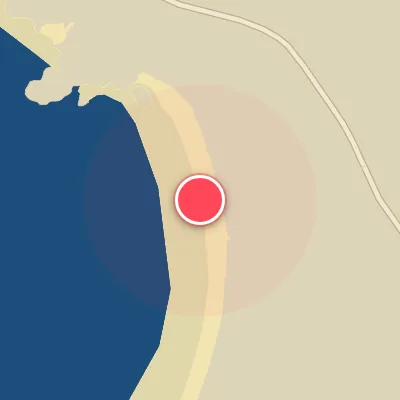
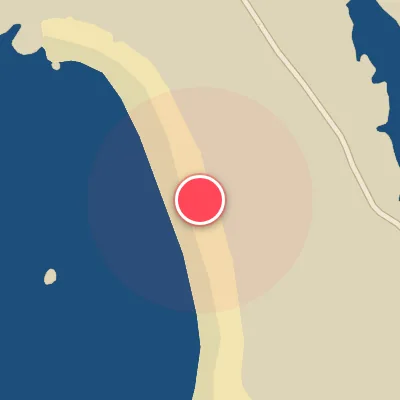
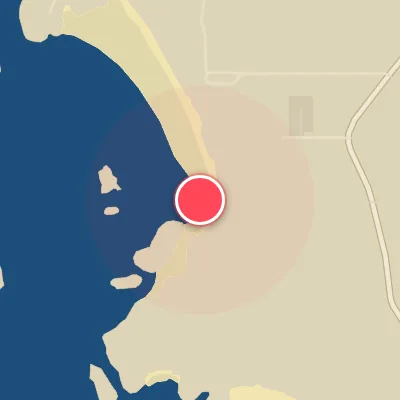
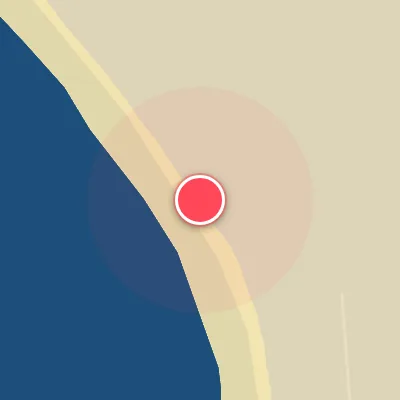
Spot Conditions Map
Hover over the hourly chart columns to update the wind & swell direction overlays on the map.
Today's Surf & Wind Forecast (Hourly)
Loading forecast text...
Spot Overview & Description
Cox Bay, tucked into Vancouver Island’s rugged west coast just south of Tofino, is the kind of beach that pulls you in with a crescent-shaped smile and walls that taper gently from the sand. It’s a regular stop on the contest circuit, and that competitive energy adds a layer of stoke to an already magnetic surf culture. The beach is wide and welcoming, with enough sand to spread out, though expect company on weekends and peak summer—this spot has a loyal following for good reason. The wave machine here lights up on west and southwest swells, handling lines from about 1 to 4 feet with grace. Both lefts and rights peel off the sand, and the main action clusters around the middle of the beach, where peaks form and shift. When the swell pushes past 6 feet, expect some good-natured chaos—the waves get shifty, but the occasional gem still slips through. Timing is key: aim for the incoming tide, whether low, mid, or high, as the wave shape sharpens with the rising water. East winds are your friend, typically glassing things off into a clean, mirror-like surface. The sandy bottom makes every session forgiving, whether you’re a beginner finding your feet or a seasoned local grooving on a mid-length. Access is about as straightforward as it gets—park, walk, and paddle—and the vibe is pure Tofino: friendly, stoked, and just a little bit buzzy when the parking lot fills up. No major hazards to dodge, so the only decision you have to make is how long to stay in the water.
Best Surf Season & Climatology
Best Surf Season (October - March)
The winter months bring consistent, powerful swell from the North Pacific, with average heights easily reaching the 2.0-2.6m range and long periods of 12-13 seconds. The Aleutian Low pumps out a steady stream of WNW to SW groundswell that hits Cox Bay's west-facing beach perfectly. Offshore winds from the east (E, ENE, ESE) blow clean 34-41% of the time, creating glassy conditions on the best days. This is prime time for pumping, firing waves in the 1.5-2.5m range, with occasional XL days pushing over 2.5m that demand respect.
Fair Surf Season (April & September)
As the seasons transition, the North Pacific storm track weakens in April and reawakens in September. Average swell drops to 1.9m in April and 1.5m in September, but long-period groundswell (11-12s) still arrives from the W and WSW. Offshore wind frequency sits around 29-30%, meaning clean windows are less predictable but still rewarding when they align. Expect fun, rippable waves in the 1-1.5m range with occasional solid sets reaching 2m.
Low Surf Season (May - August)
The summer lull takes hold from May through August, with average swell heights dwindling to a paltry 1.2-1.5m and periods holding steady around 11.4s. The swell direction is dominated by W and WSW, but these waves are often small, fun-sized or even micro (<0.5m) during flat spells. Offshore wind conditions are the worst of the year, with ideal winds occurring only 14-21% of the time. The prevailing onshore flow from the NW and W ruins wave quality, leaving mostly choppy, messy conditions. Summer only delivers a few standout days when early-morning easterly winds coincide with a rare pulse of waist-high swell.
Detailed Surf Information for Cox Bay
Detailed Surf Forecast
Access our detailed 8-day swell and wind forecast charts for Cox Bay with tidal graphs, period ranges, and daily forecast text summaries.
Swell & Wind Statistics
Explore historical swell consistency, wave heights, and offshore wind windows month-by-month, compiled from over 40 years of data.
Historical Surf Report
Browse the historical database archives to view past wave reports and understand spot climatology during specific years and months.