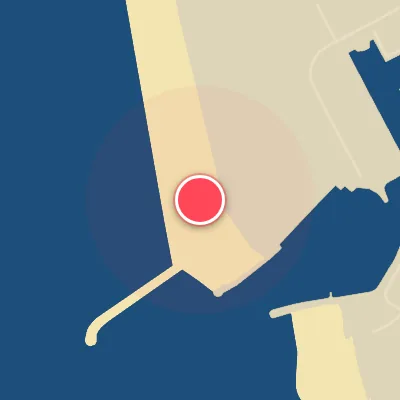
Today's Surf Conditions at Agger
Spot Overview & Description
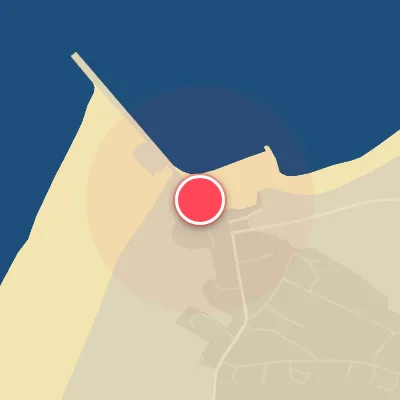
Tucked just south of the town, Agger is a unique stretch of coast where a series of jetties work to stabilize the fragile barrier between the North Sea and Nissum Fjord. The mix of sandy beach and rock groins creates a dynamic, visually striking lineup that offers something different from the typical Danish beach break. Crowds here are generally thin, giving surfers plenty of room to spread out and find their own rhythm. The magic happens when a southwest swell pushes in against light easterly winds. Waves peel both left and right, offering playful, forgiving lines that are ideal for beginners and longboarders. Most days will deliver rideable waves from as small as 1 foot, but for those chasing size, a serious northwest groundswell can wrap around the headland and set up a long, sweeping right-hander that runs all the way past the third pier—though you’ll need a solid 4 meters of swell to unlock that gem. The best windows come during low to mid tide, though high tide can still produce fun, softer waves when the conditions align. Don’t let the laid-back vibe fool you—strong rips pulse through the channels between the jetties, especially on bigger swells. While the groins do help funnel and moderate the current, they can also create sneaky holes and flow that demand respect. Keep your head on a swivel and stay aware of the shifting patterns. When everything clicks, Agger delivers a mellow, crowd-free session that’s well worth the trek—especially for those looking to carve long, soulful lines without the chaos.
Best Surf Season & Climatology
Best Surf Season (October - March)
Agger's west-facing corner of the Danish North Sea roars to life in October as the North Atlantic storm track strengthens and low-pressure systems roll across the Norwegian Sea and into the North Sea. Average swell heights climb from 6ft (1.8m) in October to 7ft (2.1m) by January, with the vast majority of wave energy arriving from the WSW, W, WNW and NW - the exact directions that hit the beach best. Wave periods sit in the 7.2-7.5s range, which favors punchy, rideable North Sea windswell, and the number of genuinely stormy days increases through the dark months. However, the same storms that bring the size often drag vigorous southwest to northwest winds over the beach, turning conditions onshore and messy. The golden window is when a low moves off or a high-pressure ridge builds in from the east, producing offshore ENE through SE winds while the westerly swell still pulses. These months also offer the best chance of consistent, head-high-plus surf, despite the cold air and water. In winters when the North Atlantic Oscillation (NAO) settles into its positive phase, stronger westerlies drive even more storm energy into the North Sea; negative phases can bring cold easterly offshore winds, but often less swell.
Detailed Surf Information for Agger
Detailed Surf Forecast
Access our detailed 8-day swell and wind forecast charts for Agger with tidal graphs, period ranges, and daily forecast text summaries.
Swell & Wind Statistics
Explore historical swell consistency, wave heights, and offshore wind windows month-by-month, compiled from over 40 years of data.
Historical Surf Report
Browse the historical database archives to view past wave reports and understand spot climatology during specific years and months.