- Home
- ...North America
 Dominican Republic
- El Chinchorro
Today's Surf Conditions at El Chinchorro
Spot Overview & Description
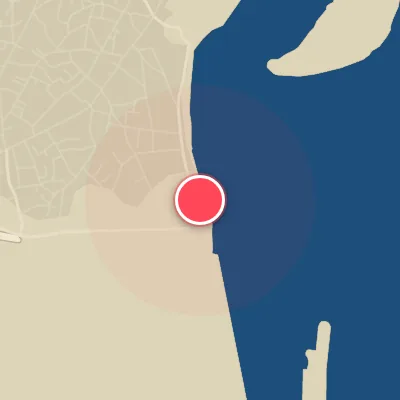
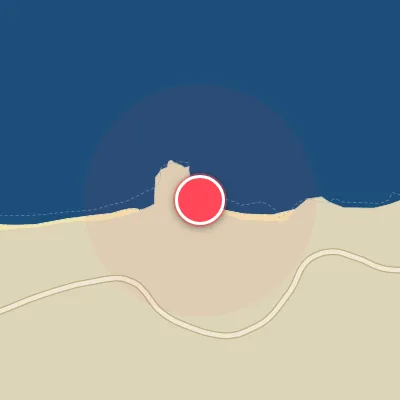
Tucked just east of Santo Domingo, El Chinchorro is a gritty beachbreak that doesn’t try to impress from the sand—but don’t let its unassuming face fool you. Access is straightforward: park near the oil tanks flanking the main harbor, and you’re steps from the shore. Think of it as a Dominican cousin to Playa Hermosa—shifty, deceptive, and capable of serving up surprisingly punchy waves once you’re past the shorebreak. The swell window spans East-Southeast through South-Southeast, and when it pumps at 1 to 2 meters (3 to 6 feet), the sandbar delivers both left and right peaks. The rides are snappy and short, tailored for intermediate to expert surfers who thrive on quick, critical sections. Low to mid-tide is the sweet spot; too much water and the shape goes flat. Cleanest conditions come with a West-Northwest, Northwest, or North wind, which grooms the faces nicely. Paddling out is manageable, so you won’t burn out before the first wave. Crowds are generally sparse, making this a go-to for those seeking a relaxed session without the lineup jostle. The prime season runs from August through March, when the consistent trade swell and favorable breezes align. A shortboard is your best bet here—you’ll want that agility to make the most of these short, snappy runners.
Best Surf Season & Climatology
Best Surf Season (November - February)
El Chinchorro is a Southeast-facing Caribbean beach break that lives and dies by the trade winds. It does not chase the classic North Atlantic winter swell train; instead, its wave quality is controlled by the interplay between easterly trade-wind windswell and the northwest offshore wind that blows down the island. The optimal southwest-to-south swell window - S, SSW, SW and WSW - is statistically inactive for most of the year, often accounting for less than 1% of total wave energy. That means the spot is essentially an offshore trade-wind windswell machine. During the winter months, the North Atlantic subtropical high flexes and cold fronts sweep into the Caribbean, tightening the pressure gradient. The result is a jump in E/ESE swell energy and a strong NNW offshore wind regime. November through February offers the highest percentage of ideal surf wind, peaking at 76% in December, and wave heights hold in the fun 1-1.2m (3-4ft) range. When a positive NAO pattern strengthens the Azores High, the trade wind engine runs even harder, and El Chinchorro becomes a punchy, rippable peak. It is rarely epic, but it is consistently clean and surfable.
Detailed Surf Information for El Chinchorro
Detailed Surf Forecast
Access our detailed 8-day swell and wind forecast charts for El Chinchorro with tidal graphs, period ranges, and daily forecast text summaries.
Swell & Wind Statistics
Explore historical swell consistency, wave heights, and offshore wind windows month-by-month, compiled from over 40 years of data.
Historical Surf Report
Browse the historical database archives to view past wave reports and understand spot climatology during specific years and months.