Map
Map
Finnimas
Today's Surf Conditions at Finnimas
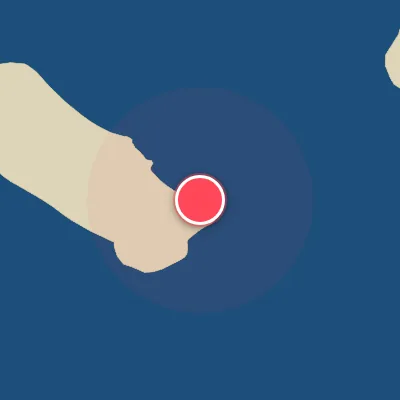
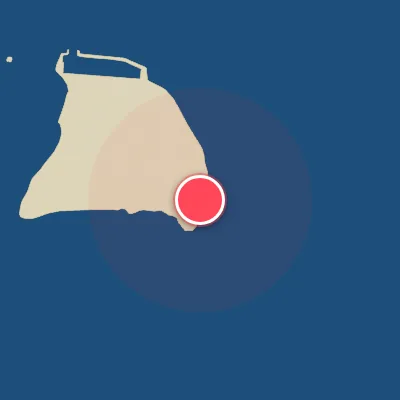
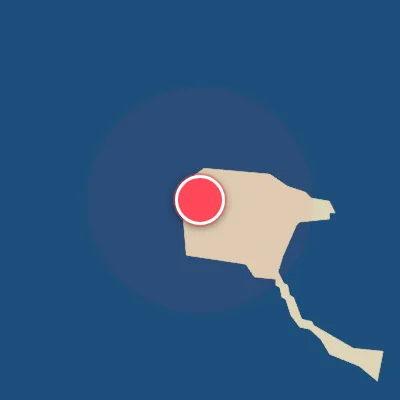
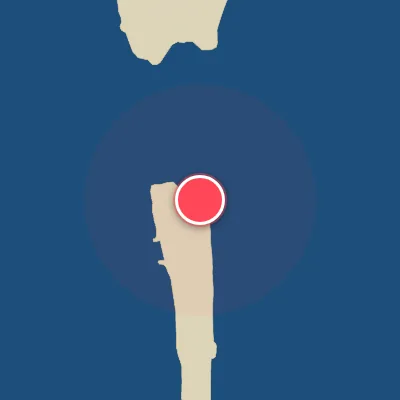
Spot Conditions Map
Hover over the hourly chart columns to update the wind & swell direction overlays on the map.
Today's Surf & Wind Forecast (Hourly)
Loading forecast text...
Spot Overview & Description
Tucked away on an exposed stretch of coastline, Finnimas is a reef break defined by its powerful, cranking lefthander that commands attention when conditions align. The magic happens with a healthy southeast swell, though the spot shows surprising versatility by handling both southeast and southwest groundswells. For the cleanest lines, you want northeast, north, or light northwest winds keeping that face smooth. There’s a right that occasionally peels across the pass—a nice bonus—but the left is the undeniable main event, wrapping around a dead coral bottom that demands respect for your foot placement. The wave comes alive with swell starting at 2 feet (0.6 meters) and keeps building from there. Tides are forgiving—low, mid, or high all produce rideable waves, though the shape and power shift with the water level. This is a spot tailor-made for intermediate surfers ready to step up their game; the reef provides consistent, hollow sections that reward committed turns and lineups reading. That said, Finnimas can be fickle. Some days it hums with energy, others it falls flat, so a pre-session check of the conditions is non-negotiable. The local vibe varies, too—sometimes mellow, sometimes territorial—so tuning into the day’s buzz before your paddle out will keep you on the right wave.
Best Surf Season & Climatology
Best Surf Season (December - March)
The heart of the North Indian Ocean winter brings a powerful shift in atmospheric dynamics, and Finnimas reaps the rewards. During these months, the strong NE monsoon establishes itself, delivering a consistent stream of offshore winds from the N, NNE, and NW quadrants. Combined with a healthy mix of long-period groundswells from the S, SSW, and SSE, this creates the most reliable and high-quality surf of the year. March stands out as the absolute peak, with a staggering 77% of swell coming from optimal directions and a remarkable 65% of days blessed with offshore winds. Expect punchy 1-1.5m waves on average, with occasional larger pulses, and wave periods regularly reaching into the 12-second range.
Fair Surf Season (April & November)
These transitional months offer a mixed bag. April sees the tail end of the optimal swell window, with strong S and SSW swells still rolling in, averaging 1m at 12-second periods. However, the wind picture becomes murky as the NE monsoon weakens and westerly flows increase, resulting in only about 51% offshore conditions. November marks the return of better conditions, with offshore winds climbing back to 48% and a more diverse swell spectrum, including the return of SSE and S groundswells. These months require a keen eye on the forecast – when the wind aligns, the waves can be excellent.
Low Surf Season (May - October)
The SW monsoon dominates from May through October, creating a challenging environment for Finnimas. While the swell is not absent – in fact, average wave heights increase to 1.3-1.5m with long 12-second periods – the wind is almost consistently onshore from the SW, W, and WSW. This aligns with the onshore directions at the break, meaning the majority of days are blown out with choppy, messy waves. The best chances during this period come from a fleeting weather window when a tropical disturbance passes to the north or a high-pressure system briefly nudges the winds northerly. July and August offer slightly higher offshore wind percentages (around 34-35%), but conditions remain marginal overall.
Detailed Surf Information for Finnimas
Detailed Surf Forecast
Access our detailed 8-day swell and wind forecast charts for Finnimas with tidal graphs, period ranges, and daily forecast text summaries.
Swell & Wind Statistics
Explore historical swell consistency, wave heights, and offshore wind windows month-by-month, compiled from over 40 years of data.
Historical Surf Report
Browse the historical database archives to view past wave reports and understand spot climatology during specific years and months.