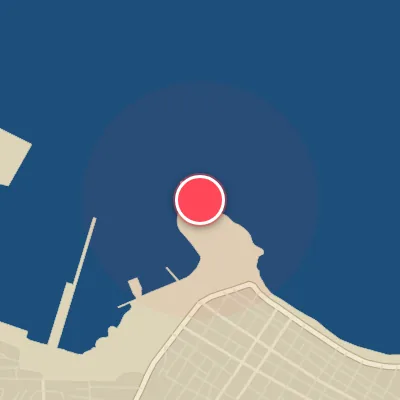
Map
Map
Gibara
Today's Surf Conditions at Gibara
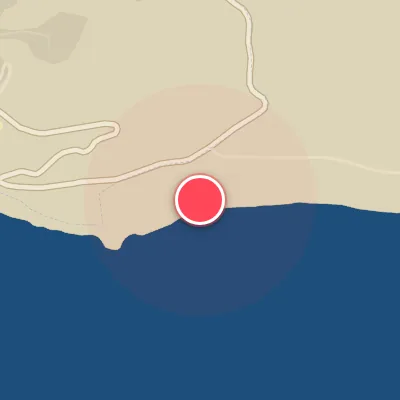
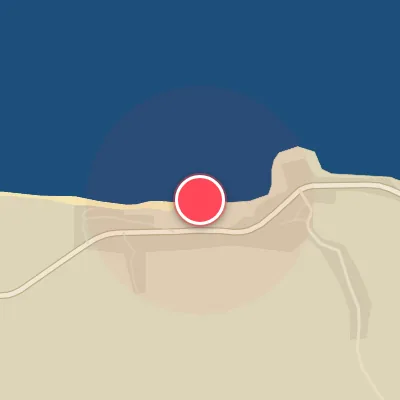
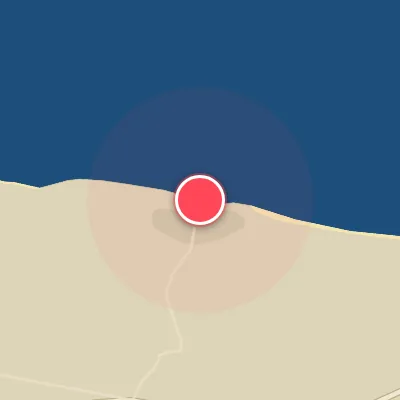
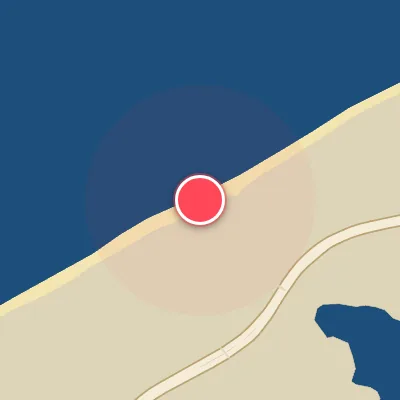
Spot Conditions Map
Hover over the hourly chart columns to update the wind & swell direction overlays on the map.
Today's Surf & Wind Forecast (Hourly)
Loading forecast text...
Spot Overview & Description
Gibara sits just west of a charming port town, offering surf that leans heavily toward the experienced crowd. Consistency is a challenge here—don’t expect this spot to fire on a regular basis. While the main break can draw a crowd, especially when conditions align, more solitary options await further east, like Playa Caletones, which tends to be empty but is often plagued by less-than-ideal winds. The wave itself is a fast, hollow left that unloads over a shallow rock shelf. It demands a decent push from the north-northeast to come alive, with swell as small as 0.3 meters (1 foot) producing short, intense rides—often with a distinct tube section. For more reliable waves, head back toward Playa Caletones, where a fringing reef picks up NE swells with greater consistency. If you’re after a change of pace, Guardalavaca Beach delivers smaller, less compelling waves that rarely inspire. Tide-wise, aim for low to mid, though high tide also works. A southwest breeze cleans things up best. This is strictly expert territory—if your skills are still developing, look elsewhere.
Best Surf Season & Climatology
Best Surf Season (November - March)
The northern winter unleashes a consistent pulse of easterly swell across the Cuban coast, and Gibara reaps the benefits. With average wave heights hovering between 1.1m and 1.2m and periods extending into the 6-second range, the beach sees a steady supply of fun-sized waves. The North Atlantic storm track intensifies from November onward, sending long-period energy that wraps around the Windward Passage and stacks up nicely against Gibara's east-facing shoreline. Offshore wind windows (SW to WNW) are still a precious commodity, but they appear slightly more often (6% of the time) compared to summer, giving hopefuls a chance to score clean, punchy lines when the trades relax.
Fair Surf Season (October & April)
These shoulder months offer a transition between the peak and lull. October sees a dip in height (0.9m) but a modest increase in period (6.3s) as early winter swells mix with lingering summer energy. April still delivers waves near the 1.0m mark, though periods slip to 5.9s and the trade wind onshore flow becomes more persistent. The window for ideal conditions narrows, but the occasional cold front passage can swing winds offshore for a day or two, turning the average surf into something worth paddling out for.
Low Surf Season (May - September)
From May through September, Gibara settles into a classic summer pattern. The trade winds lock in from the east (onshore) over 90% of the time, blowing straight into the beach and chopping up what little swell arrives. Average wave heights drop to 0.8-1.0m and periods shorten to 5.7-5.8s, resulting in mostly choppy, low, messy conditions. Tropical storms can occasionally spin up from the Atlantic or Caribbean and produce a spike in size, but those are brief and often accompanied by dangerous winds. For the most part, this is a time to be patient and wait for the first signs of autumn.
Detailed Surf Information for Gibara
Detailed Surf Forecast
Access our detailed 8-day swell and wind forecast charts for Gibara with tidal graphs, period ranges, and daily forecast text summaries.
Swell & Wind Statistics
Explore historical swell consistency, wave heights, and offshore wind windows month-by-month, compiled from over 40 years of data.
Historical Surf Report
Browse the historical database archives to view past wave reports and understand spot climatology during specific years and months.