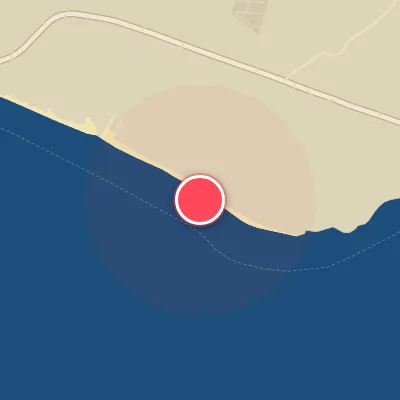
Map
Map
K59
Today's Surf Conditions at K59
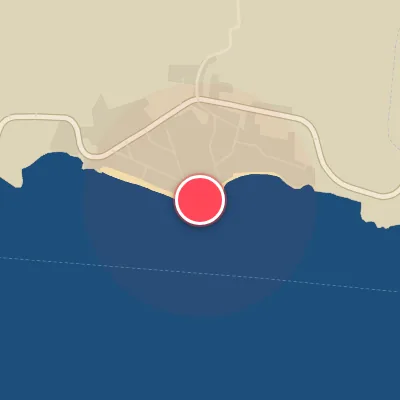
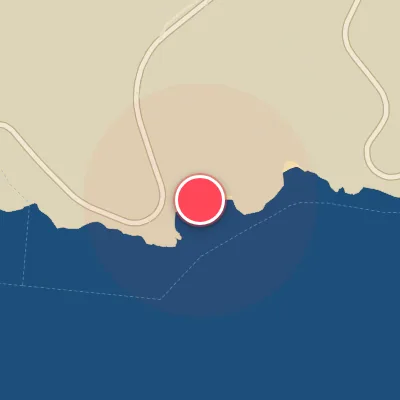
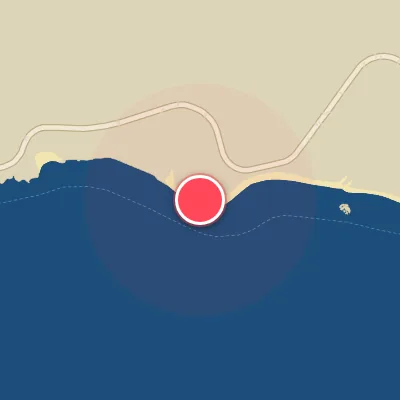
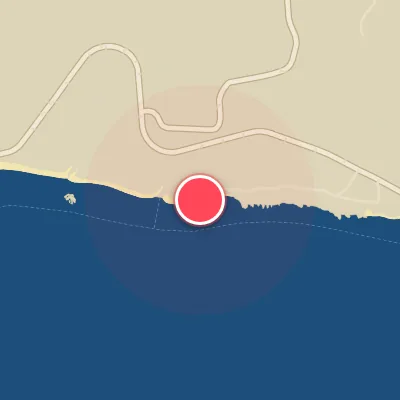
Spot Conditions Map
Hover over the hourly chart columns to update the wind & swell direction overlays on the map.
Today's Surf & Wind Forecast (Hourly)
Loading forecast text...
Spot Overview & Description
Tucked within a gated community, K59 offers a surprisingly capable setup for surfers seeking a slice of action without the full-blown circus. A surf camp perched right on the sand adds an unmistakable convenience, making it a natural basecamp for a multi-day mission. Once a low-key sleeper, this spot is now drawing more traffic from town, so don’t count on solitude—the secret is out, and the lineup is beginning to reflect it. K59 fires best with a solid south swell, handling waves as small as 2 feet. The seafloor here is a minefield of boulders, so choose your path carefully—urchins are abundant, and a misstep can ruin a session. Expect mostly right-hand points that deliver a playful, racetrack-style ride for intermediates, while advanced surfers will find the pace picks up nicely at mid-tide, where the wave straightens into a fast, grinding corner. Optimal conditions pair a north wind with a south to occasional west swell, and the spot remains rideable across low, mid, and high tides, offering flexibility when the swell window aligns. Access requires a paid entry unless you’re a guest at the surf camp. For those willing to trade exclusivity for convenience, K59 remains a worthy alternative to the main drag—just come prepared for a busier, boulder-dodging reality.
Best Surf Season & Climatology
Best Surf Season (November - February)
The heart of winter delivers the most consistent surf at K59. Strong high-pressure systems over North America frequently push cold fronts into the Gulf of Mexico and the Caribbean, generating long-period SSW groundswell that wraps perfectly into the beach. Combined with a robust offshore flow from the N to NNE quadrants, these months see the highest percentage of clean, lined-up waves. Average swell heights hover around 1.0-1.2m with periods of 12-13 seconds, offering a mix of fun-sized rippable walls and occasional pumping sets. The combination of reliable swell and favorable winds makes this the prime window for surfing K59.
Fair Surf Season (March - April & October)
As the seasons transition, the swell machine keeps churning but the wind patterns become slightly more erratic. March and April see an uptick in average swell height to 1.1-1.2m and periods lengthen to 13-14 seconds, meaning more powerful groundswell from the deep South Pacific. However, the percentage of true offshore wind drops to the mid-50s, with occasional spells of lighter variable winds or afternoon sea breezes. October also falls into this category – the early arrival of winter swell is tempered by lingering tropical moisture and lighter winds. Still, when the conditions align, you can score some of the best waves of the year with long, clean lines and plenty of power.
Low Surf Season (May - September)
During the summer and early fall, K59 still receives abundant swell – in fact, average wave heights peak at 1.3-1.4m with periods of 13-14 seconds, thanks to persistent Southern Hemisphere storm tracks and the occasional tropical cyclone. The challenge lies in the wind. Offshore flow from the north becomes less frequent, with ideal wind percentages dropping to the low 50s. Light onshore breezes from the S and SSW can spoil the shape, making conditions mushier and less defined. Still, the swell is never gone, and savvy surfers who time the early morning offshore windows can score surprisingly good, powerful waves – especially during synoptic setups that bring a strong high-pressure ridge southward.
Detailed Surf Information for K59
Detailed Surf Forecast
Access our detailed 8-day swell and wind forecast charts for K59 with tidal graphs, period ranges, and daily forecast text summaries.
Swell & Wind Statistics
Explore historical swell consistency, wave heights, and offshore wind windows month-by-month, compiled from over 40 years of data.
Historical Surf Report
Browse the historical database archives to view past wave reports and understand spot climatology during specific years and months.