Map
Map
Kealia Beach
Today's Surf Conditions at Kealia Beach
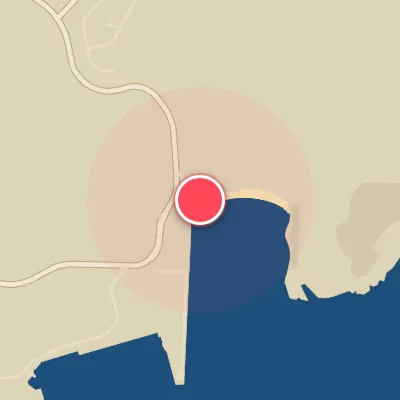
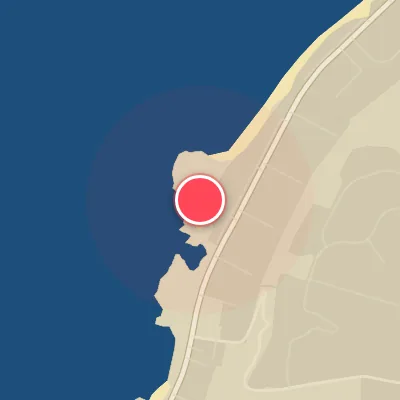
Spot Conditions Map
Hover over the hourly chart columns to update the wind & swell direction overlays on the map.
Today's Surf & Wind Forecast (Hourly)
Loading forecast text...
Spot Overview & Description
Kealia unfolds as a golden-sand crescent just north of Kapaa, where Kuhio Highway hugs the shoreline. This versatile beach break peels over a mix of sand and irregular reef, offering both lefts and rights. Conditions frequently turn onshore and sloppy, yet the punchy, compact waves can still deliver plenty of playful rides. Lefts tend to dominate when north swells roll in, while south swells favor the rights. Rip channels carve out distinct peaks, keeping the lineup spread out and inviting.
Best Surf Season & Climatology
Best Surf Season (December - February)
The winter months at Kealia Beach offer the most consistent combination of powerful, long-period swell and the highest frequency of offshore winds. As the North Pacific storm track fires up, persistent fetch from the NNW to ENE direction sends groundswells marching into the Kauai channel. With average swell heights hovering around 2.4m and periods of 12 seconds or more, the wave quality is at its peak. Crucially, the frequency of ideal offshore flow from the WSW to NW quadrant increases to 16-24% during these months, cleaning up the faces and allowing the east-facing exposures to showcase their best form. This is when Kealia transforms from a trade-wind-blown mess into a pumping, rippable machine. However, even in winter, the dominant wind remains from the ENE trades, so patience and a keen eye on the forecast are required to score the standout windows.
Fair Surf Season (October - November & March)
The shoulder months bridge the gap between the reliable winter grind and the summer lull. In October and November, the North Pacific begins to awaken, with swell heights climbing back to 1.9-2.3m and periods trending into the 10-11 second range. However, the percentage of ideal offshore wind remains low (7-9%), meaning most of the energy arrives under the influence of strong ENE trades. March still packs a punch with 2.3m average swell and 11.3s periods, but the trade winds are strengthening, with ideal wind dropping to 14%. These months demand a flexible approach – if a Kona low (west wind) sets up or the trades briefly ease, Kealia can fire. Otherwise, it's a session of working with semi-choppy, albeit punchy, conditions. It's a game of timing and trade-offs.
Low Surf Season (April - September)
From April through September, Kealia Beach enters a prolonged period dominated by the Pacific trade winds. The ENE trades blow relentlessly (40-70% of the time), creating near-constant onshore conditions. The average swell height drops to 1.7-2.1m and wave periods shorten to 9-10 seconds, producing mainly short-period, wind-affected waves that lack power. Ideal offshore wind becomes an extreme rarity – often below 2% and reaching 0% in July. The swell direction shifts almost entirely to the east (E, ENE), which is perfect for the spot's exposure, but the wind destroys any chance of quality. Occasional small windows of lighter trades or a stray pulse of longer-period swell from a distant storm might offer brief relief, but overall, this is the time to explore other spots that handle the onshore flow or to take a break and wait for winter's return. Surfable but rarely worth the trip unless you have a high tolerance for chop.
Detailed Surf Information for Kealia Beach
Detailed Surf Forecast
Access our detailed 8-day swell and wind forecast charts for Kealia Beach with tidal graphs, period ranges, and daily forecast text summaries.
Swell & Wind Statistics
Explore historical swell consistency, wave heights, and offshore wind windows month-by-month, compiled from over 40 years of data.
Historical Surf Report
Browse the historical database archives to view past wave reports and understand spot climatology during specific years and months.