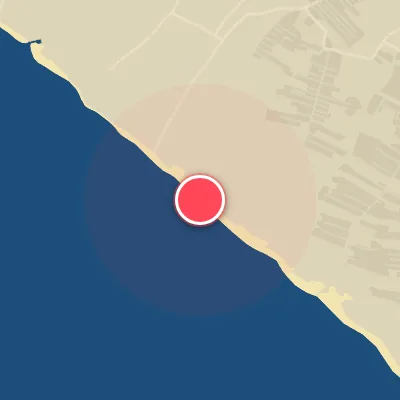
Map
Map
Keramas
Today's Surf Conditions at Keramas
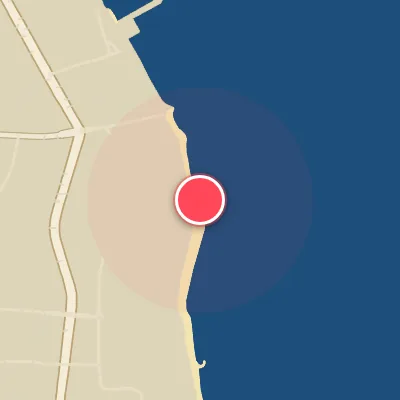
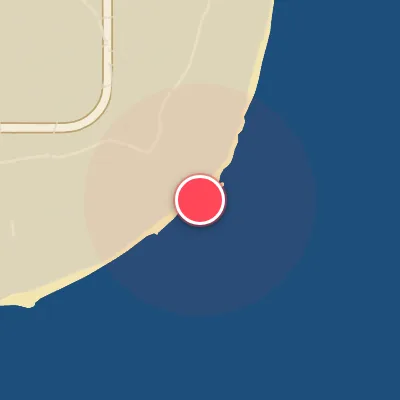
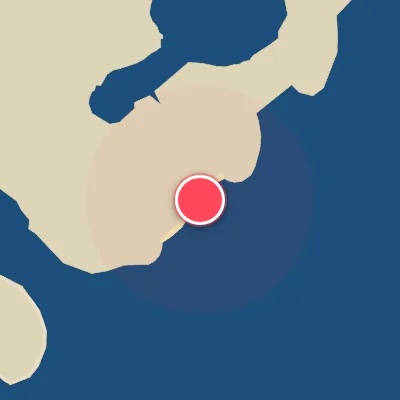
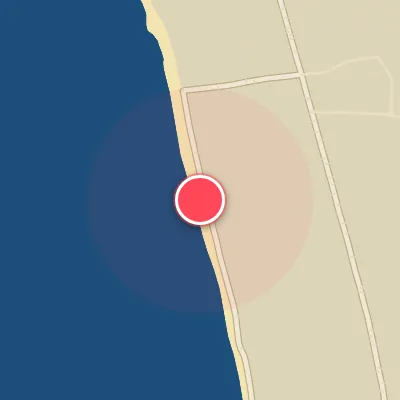
Spot Conditions Map
Hover over the hourly chart columns to update the wind & swell direction overlays on the map.
Today's Surf & Wind Forecast (Hourly)
Loading forecast text...
Spot Overview & Description
Keramas sits on Bali’s east coast, a volcanic reef break that has become synonymous with high-performance surfing and a vibrant, competitive atmosphere. The jagged lava formation here produces a fast, right-hand wave that peels with power and intent, making it a regular stop on the championship tour and a magnet for surfers chasing world-class form. The wave thrives on south and southwest swells, handling anything from 2 feet and building, with the reef offering both hollow barrel sections and ramps tailor-made for progressive turns and aerial assaults. Higher incoming tides smooth out the reef’s edges and open the wave up for longer, more forgiving rides, though low and mid tides can still dish out punchy, critical sections for those willing to adjust. Best winds come from the northwest, grooming the faces cleanly. This is solidly intermediate territory—experienced surfers will find the juice to push their limits, but beginners should look elsewhere until they’re comfortable with a fast reef break and shifting currents. The crowd factor is real, especially during dawn patrol, and when the swell bumps up, a strong current adds another layer of challenge. Conditions can flip on a dime, so keep a close read on the sets and the tide. It’s a spot that demands respect, rewards commitment, and rarely fails to deliver a story.
Best Surf Season & Climatology
Best Surf Season (December - March)
The northwest monsoon takes hold, delivering a powerful combination of consistent, long-period S-SSW swell and predominantly offshore winds out of the northern quadrants. From December through March, Keramas comes alive. Average wave heights hover in the fun, rippable 0.8-1.0m range, but the 12-14s period gives them serious punch. This is when the iconic righthander is at its most groomed, offering smooth, hollow walls. The stats back it up: offshore wind frequency peaks at 64% in January and remains above 40% through March, creating clean, lined-up sets from morning to evening.
Fair Surf Season (April & November)
The transition months between monsoons introduce a pick-and-choose scenario. In April, the southeast trades start to strengthen, dropping offshore wind frequency to just 17%. However, the swell direction shifts more directly from the S-SSW, and average periods climb to nearly 14s. You can still find glassy windows early in the month before the afternoon sea breeze kicks in. November sees the return of northwesterly winds as the northwest monsoon builds, but the wind is still fickle – only 15% ideal. The swell, almost exclusively from the SSW, delivers clean, chest-to-head-high waves when the wind cooperates. It’s a month of patience rewarded.
Low Surf Season (May - October)
The southeast monsoon dominates from May through October, and for a SSE-facing reef, this is the cruellest period. Persistent onshore winds from the E-ESE-SE blow a steady 10-20kph, 50-70% of the time, chopping up even the most powerful swell. The wave heights actually peak during these months – averaging 1.0-1.1m with long 14s periods – but the wind-ruined surface makes most days unrideable. Offshore wind frequency plummets to between 1-5% from June to September. Only the occasional dawn patrol before the trades kick in, or a rare synoptic pattern that backs the wind to the north, will offer a window. This is the time to travel elsewhere or pack a groveler and hope for magic.
Detailed Surf Information for Keramas
Detailed Surf Forecast
Access our detailed 8-day swell and wind forecast charts for Keramas with tidal graphs, period ranges, and daily forecast text summaries.
Swell & Wind Statistics
Explore historical swell consistency, wave heights, and offshore wind windows month-by-month, compiled from over 40 years of data.
Historical Surf Report
Browse the historical database archives to view past wave reports and understand spot climatology during specific years and months.