Map
Map
La Setenta
Today's Surf Conditions at La Setenta
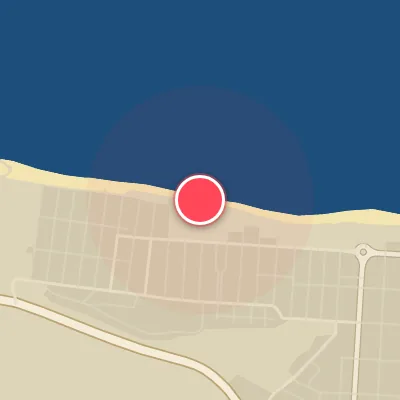
Spot Conditions Map
Hover over the hourly chart columns to update the wind & swell direction overlays on the map.
Today's Surf & Wind Forecast (Hourly)
Loading forecast text...
Spot Overview & Description
Tucked away in the Miramar district, just west of Havana's old center, La Setenta—also known as Playa 70, Calle 70, or El Triton—sits right in front of the iconic Russian Embassy, making it an unmistakable landmark for any traveling surfer. This stretch of coast delivers a mixed bag of waves, so it’s not always a sure bet, but when conditions align, it’s worth a look for those passing through the area. The primary swell window is northeast, though north-west swells can also sneak in. With wave heights typically hovering around a modest 1 foot (0.3 meters), La Setenta is best suited for beginners and those looking to work on their fundamentals. Expect a beach break offering both left and right sand-bottom waves, though the shape tends to run mushy and rides are often short-lived. Tides are forgiving—low, mid, or high can all produce rideable waves—and a south-east wind is your friend here. Be mindful of the shallow, sharp coral lurking beneath the surface; entering and exiting requires caution. Crowds can be substantial, and surf etiquette in Cuba is still evolving, so don’t expect the orderly lineups you might find elsewhere. The vibe in the water isn’t always welcoming, but that’s part of the authentic local experience. Overall, La Setenta offers a chance for some fun, low-stakes surfing, especially for beginners eager to log time in the water while soaking up Havana’s unique coastal character.
Best Surf Season & Climatology
Best Surf Season (November - February)
The heart of winter delivers the most consistent surf at La Setenta, driven by the North Atlantic storm track. November through February sees average swell heights hovering around 0.7m with periods reaching 6.1s, and ideal offshore wind conditions occur 20-23% of the time. While the trade wind belt still pumps easterly wind, the increased frequency of cold fronts sweeping down from the Gulf of Mexico can swing winds to the south, creating clean, offshore conditions. Swell from the N, NW and NNW quadrants peaks during this window, with NNW alone supplying up to 23% of all waves in January. Most of this swell is in the 0.5-1.5m range – fun-sized and rideable when the wind cooperates. It's a game of patience and reading the charts, but when a low-pressure system stalls off the Florida coast, La Setenta can light up with punchy, long-period lines.
Fair Surf Season (March - April & October)
Shoulder months offer a mixed bag. March and April see average swell heights drop to 0.5-0.6m and periods shorten to 5.4-5.7s, while ideal wind windows shrink to around 18%. The North Atlantic is still active, but the storm track shifts north, reducing the frequency of quality NW swell. However, the occasional late-season cold front can still produce clean conditions with south winds. October marks the ramp-up as autumn begins; swell heights climb back to 0.6m and wind ideal percentages rise to 19%. The swell direction mix leans heavily on ENE (20-31% of all waves), but those east angles are largely blocked by the island and don't reach the break. You need those precious windows of NW to N swell to align with a southerly breeze – it happens, but not often. Overall, these months are for the committed local who knows the forecast windows.
Low Surf Season (May - September)
Summer brings the lowest energy of the year. From May through September, average swell heights bottom out at 0.3-0.4m and periods drop to 4.4-4.9s – think choppy, short-period windswell from the relentless trade winds. Ideal offshore wind percentages plummet to 3-14%, as the Bermuda High locks in a persistent easterly flow. The predominant swell direction is ENE (42-54% of all waves in some months), which is shadowed completely by the surrounding landmass, leaving La Setenta starved of any meaningful energy. The rare exception comes from a tropical system or a rogue summer cold front that can generate a brief pulse of NW swell, but these events are few and far between. For most surfers, this is the time to travel or focus on other sports – the wave quality is simply too inconsistent for a worthwhile session.
Detailed Surf Information for La Setenta
Detailed Surf Forecast
Access our detailed 8-day swell and wind forecast charts for La Setenta with tidal graphs, period ranges, and daily forecast text summaries.
Swell & Wind Statistics
Explore historical swell consistency, wave heights, and offshore wind windows month-by-month, compiled from over 40 years of data.
Historical Surf Report
Browse the historical database archives to view past wave reports and understand spot climatology during specific years and months.