- Home
- ...North America
 Nicaragua
- Panga Drops
Today's Surf Conditions at Panga Drops
Spot Overview & Description
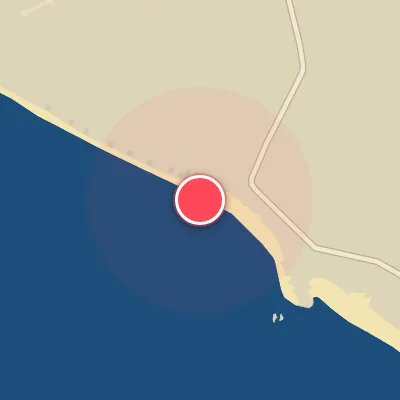
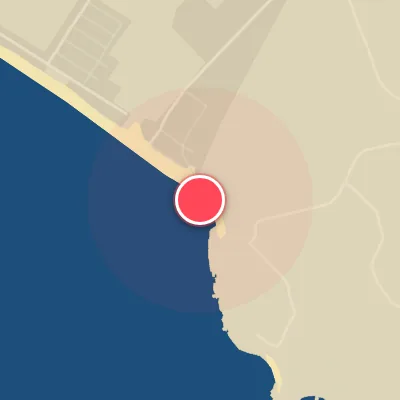
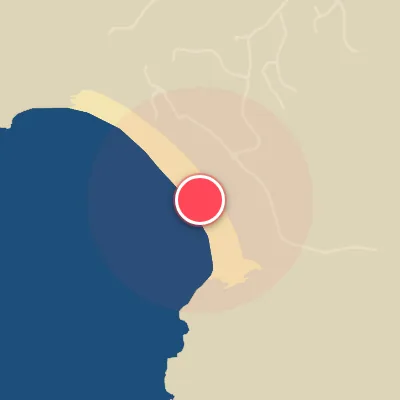
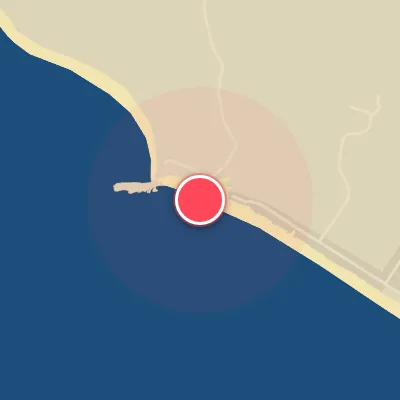
Draped across the northern edge of Playa Iguanas, Panga Drops offers a lively, less intense alternative to the heavy-hitting Colorado next door. It shares similar offshore bathymetry but is defined by a distinct horseshoe-shaped reef that coaxes both lefts and rights out of proper SW swell. When the energy lines up, Panga doesn't just peel—it barrels. On bigger days, the right can channel the spirit of Sunset Beach, Oahu, with a steep, grinding wall that demands respect. Just keep your head on a swivel: the break sits well offshore, and bull shark sightings have been reported in these waters. This setup handles swell from a trim 5 feet (1.5 meters) all the way up to a meaty 15 feet (4.5 meters), with prime conditions coming from the Southwest. The reef produces a shifting canvas of left and right peaks, welcoming shortboards, longboards, funboards, and fish alike. Best wind is from the Northeast, and the wave works across low, mid, and high tides, offering flexibility for various approaches. Be prepared for a serious paddle—waves detonate far out, but reward the effort with long, drawn-out rides when it’s on. Access is straightforward if you're staying at Iguanas; otherwise, a short boat trip or a hike will get you there. Crowds are generally mellow, made up mostly of traveling surfers, so the vibe stays relaxed. Prime season runs from April through September—spring, summer, and early autumn deliver the most consistent action. Just remember to steer clear after heavy rains when debris can sneak into the lineup.
Best Surf Season & Climatology
Detailed Surf Information for Panga Drops
Detailed Surf Forecast
Access our detailed 8-day swell and wind forecast charts for Panga Drops with tidal graphs, period ranges, and daily forecast text summaries.
Swell & Wind Statistics
Explore historical swell consistency, wave heights, and offshore wind windows month-by-month, compiled from over 40 years of data.
Historical Surf Report
Browse the historical database archives to view past wave reports and understand spot climatology during specific years and months.