Map
Map
North Point
Today's Surf Conditions at North Point
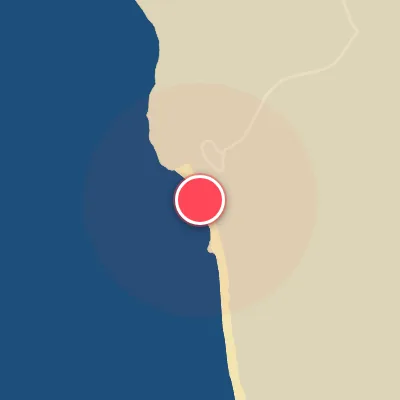
Spot Conditions Map
Hover over the hourly chart columns to update the wind & swell direction overlays on the map.
Today's Surf & Wind Forecast (Hourly)
Loading forecast text...
Spot Overview & Description
Nestled along the rugged coastline between Gracetown and Cowaramup Bay, North Point stands as a crown jewel of right-hand reef breaks in the region. It’s a wave that demands respect—selective, yes, but when a solid south to southwest groundswell pulses through, the payoff is nothing short of spectacular. The approach requires a bit of grit, but for those willing to earn it, North Point delivers long, powerful walls that draw a dedicated crew of locals. The magic happens when a southwest swell lines up, though south and west swells can also produce. You’ll want to keep an eye on the buoy: once it’s pushing 4 feet (1.2 meters) or better, the reef begins to light up. This wave breaks over an uneven, shallow reef, offering a fast, critical right-hander that feels best at mid to high tide. Expert-level skills are non-negotiable here—maintaining speed through the racetrack sections is key to threading the needle and escaping the punishing closeouts. For peak conditions, an east wind polishes the face to perfection, but a southwest wind can still yield ridable waves with a bit of lumpy texture. North Point is no walk in the park, especially when the swell cranks. The reef is unforgiving, the sections are demanding, and the paddle out is a legitimate endurance test. For the truly adventurous, the infamous keyhole entrance adds a shot of adrenaline to the session. Expect a strong local presence, fierce attachment to the wave, and an atmosphere that rewards savvy positioning and commitment. This is a break for the experienced surfer seeking intensity, not comfort.
Best Surf Season & Climatology
Best Surf Season (March - May)
As autumn settles in along the Australian coastline, North Point comes alive with a potent mix of consistent swell and favorable offshore winds. The Southern Ocean storms become more organized, sending long-period west swell pulses directly into the spot's west-facing lineup. Average wave heights hover in the 1.9-2.3m range with periods often exceeding 12 seconds, offering powerful and rippable surf. Crucially, the percentage of ideal offshore winds (from the east quadrants) peaks during this window, reaching 25% in both April and May. This is when a strong high pressure cell frequently parks itself over the Tasman Sea, funneling clean east-northeasterly breezes across the coast. The combination of solid groundswell and glassy conditions makes this the prime time for scoring North Point at its best.
Fair Surf Season (June - October)
Winter deepens, and the Southern Ocean roars to life, unleashing the largest swells of the year onto the West Australian coast. From June through August, average wave heights climb to 2.6-2.8m, and periods stretch beyond 13 seconds, delivering heavy, long-period energy. The dominant swell directions shift solidly into the SW and WSW quadrants — perfectly aligned with North Point's exposure. However, the wind patterns become more challenging. The percentage of offshore wind drops to around 17%, as frequent frontal passages bring westerly onshore winds. The quality of the surf then becomes a game of patience: waiting for a transient ridge of high pressure to deliver clean east winds between systems. Spring months (September-October) see a gradual decline in swell size but an improvement in wind consistency as the subtropical high strengthens.
Low Surf Season (November - February)
Summer in the Southern Hemisphere brings a lull in the storm track, and North Point feels the impact. Average swell heights drop to 1.8-1.9m, and wave periods shorten to the 11-12 second range. While the west-facing orientation still captures any remnant groundswell, the energy is less consistent and often smaller. The dominant wind flow becomes more variable, with a higher frequency of sea breezes and light onshore conditions. The percentage of ideal offshore wind falls to just 13-15%, making clean sessions a rare treat. During these months, the best chance for surfable waves comes from a strong low passing far south in the Indian Ocean, sending a pulse of west swell while a morning offshore gradient sets up. It's a time to be selective and chase the windows.
Detailed Surf Information for North Point
Detailed Surf Forecast
Access our detailed 8-day swell and wind forecast charts for North Point with tidal graphs, period ranges, and daily forecast text summaries.
Swell & Wind Statistics
Explore historical swell consistency, wave heights, and offshore wind windows month-by-month, compiled from over 40 years of data.
Historical Surf Report
Browse the historical database archives to view past wave reports and understand spot climatology during specific years and months.