Map
Map
Playa Lagarto
Today's Surf Conditions at Playa Lagarto
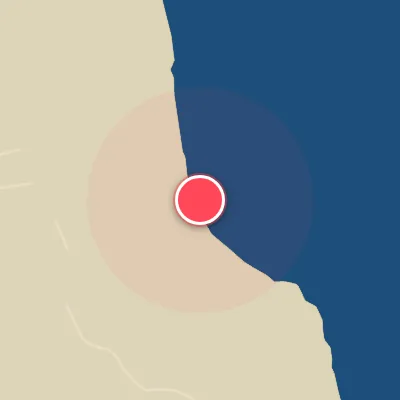
Spot Conditions Map
Hover over the hourly chart columns to update the wind & swell direction overlays on the map.
Today's Surf & Wind Forecast (Hourly)
Loading forecast text...
Spot Overview & Description
Nestled near the offshore charm of Pedasi, Playa Lagarto offers a scenic stretch of coastline that radiates a laid-back, uncrowded energy. The beach is wide and open, drawing in a variety of wave shapes that can accommodate surfers across the skill spectrum. While it isn’t the most consistent performer on the map, when a moderate head-high southeast swell (around 1.5 meters) lines up, the magic emerges—especially as the swell wraps into the rocky point, producing hollow, tubular corners that get the heart rate up. Waves here break both left and right over an uneven mix of reef and sand, creating shifting, dynamic rides that keep you on your toes. The spot handles swells from a modest 2 feet (0.6 meters) all the way up, making it a go-to when the forecast delivers. For the best session, target low to mid tides, when the shape and consistency click into place. Northwest winds are ideal; anything off the southerly quadrants will chop things up. Playa Lagarto is also a standout option for beginners, thanks to the variety of wave types and manageable swell sizes. Just be prepared to share the water with local regulars who know the rhythms of this spot better than most. If you’re planning a trip, keep a close eye on the swell window and tide charts—the real payoff comes when the conditions align.
Best Surf Season & Climatology
Best Surf Season (May - November)
As the Intertropical Convergence Zone (ITCZ) shifts northward, the strong northerly trade winds that plague the winter months relax dramatically. This is when Playa Lagarto truly comes alive. The dominant wind flow turns westerly, providing clean offshore conditions for over 60% of the time. Swell energy is generated by powerful Southern Hemisphere storms, arriving as long-period SSW groundswell with average periods of 12-14 seconds. While the SSW direction isn't a perfect match for this East-Southeast facing beach, the long intervals wrap nicely into the bay, producing fun, rippable waves in the 1.0-1.5m range. The combination of offshore breeze and consistent pulse makes this the prime window for quality surf.
Fair Surf Season (April & December)
These transitional months offer a mixed bag. April marks the end of the northerly trades, with wind ideal percentages climbing to 35% as westerlies begin to appear. Swell remains consistent from the SSW, with periods averaging 13.7s – some of the longest of the year. December sees the opposite shift: the trades are rebuilding, with wind ideal at 48% as northerlies start to dominate. Swell direction becomes more mixed, with both SSW and northerly components from developing cold fronts. It can be good during breaks in the wind, but requires more patience to pick off a clean window.
Low Surf Season (January - March)
The first three months of the year are dominated by the relentless northerly trade winds. Expect strong winds from the N-NNE quadrant 50-60% of the time, creating choppy and messy onshore conditions. Swell sources are split between northerly windswell and occasional SSW pulses, with average periods between 9-12s. The northerly windswell brings short-period, sectiony waves that are tough to surf, while any SSW swell is often ruined by the cross/onshore flow. Ideal wind percentages bottom out at 14-20%. Surfable days are rare and usually require a break in the trades – a scenario more common during weak cold fronts or passing disturbances. Highly recommended to look elsewhere during this period.
Detailed Surf Information for Playa Lagarto
Detailed Surf Forecast
Access our detailed 8-day swell and wind forecast charts for Playa Lagarto with tidal graphs, period ranges, and daily forecast text summaries.
Swell & Wind Statistics
Explore historical swell consistency, wave heights, and offshore wind windows month-by-month, compiled from over 40 years of data.
Historical Surf Report
Browse the historical database archives to view past wave reports and understand spot climatology during specific years and months.