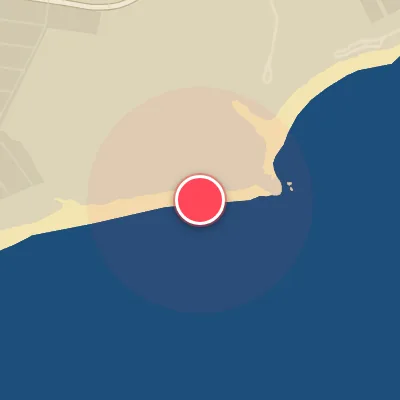
Map
Map
Point Leo
Today's Surf Conditions at Point Leo
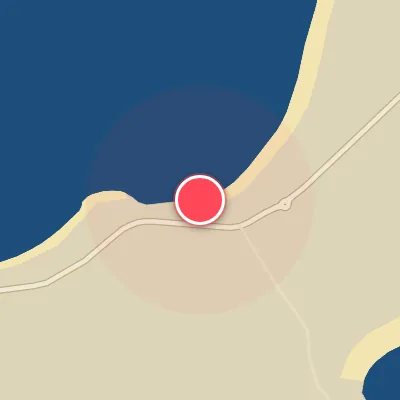
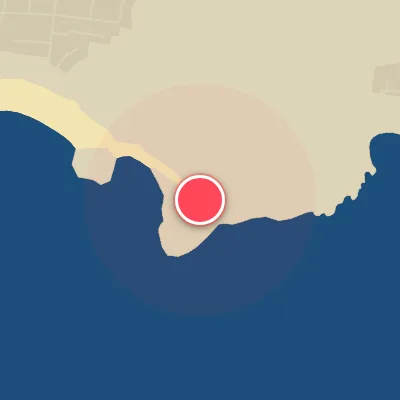
Spot Conditions Map
Hover over the hourly chart columns to update the wind & swell direction overlays on the map.
Today's Surf & Wind Forecast (Hourly)
Loading forecast text...
Spot Overview & Description
Point Leo sits along Victoria’s southern coast, a magnet for surfers thanks to its consistent swell and welcoming feel. The main draw is Suicides, a right-hand point break that fires on bigger days, delivering long, shapey walls when the south to southwest swell pushes in. Waves start working around 2ft (0.6m) and pick up real power through mid to high tide, offering a smooth, drawn-out ride. When Suicides goes quiet, nearby options like Peak Rock, Crunchies Pt, and 1st Reef serve up shorter, steeper pitches that still pack a punch. With its predictable lines and generally mellow conditions, Point Leo is a prime spot for beginners. But watch the tide—low water bares the reef and gets shallow fast. Just south, Pines at Shoreham mirrors the vibe with another quality right point that often turns on when Point Leo is humming.
Best Surf Season & Climatology
Best Surf Season (March - August)
As the Southern Ocean cranks up its winter fury, Point Leo transforms into a consistent swell magnet. During these months, the average wave heights peak around 1.6-1.7m with periods often exceeding 12 seconds, delivering powerful, long period groundswells that wrap beautifully into the south-facing beach. The percentage of offshore wind (N through NNW) climbs to 21-24%, meaning more clean, glassy sessions. This is when you can expect pumping, firing waves in the 1.5-2.5m range, with the dominant SW and SSW swells providing the best shape.
Fair Surf Season (September - November)
Spring brings a transition as the westerly storm track begins to shift. Swell heights drop slightly to 1.4-1.7m, but periods remain respectable (11.6-12.9s). The frequency of offshore winds declines to 14-21%, so you'll need to pick your windows carefully. The swell direction remains predominantly SW and SSW, but onshore winds from S and SSE become more common, making conditions less reliable. Still, when a high-pressure system stalls over the Tasman, you can score fun, rippable waves with clean offshore breezes.
Low Surf Season (December - February)
Summer is the most challenging time for consistent surf at Point Leo. The average swell height holds at 1.4m but periods drop to 11.2-11.5s, indicating more local windswell and less powerful groundswell. The ideal offshore wind percentage plummets to just 12%, as sea breezes and northerly flow are less frequent. The dominant SW and SSW swells still roll in, but they're often accompanied by onshore winds from the same quadrants, ruining the wave quality. Expect small, groveling waves or blown-out conditions most days, with only rare windows of clean fun-sized surf.
", "monthly_stats": { "january": "January: The Summer Doldrums
January is the heart of the Australian summer, and at Point Leo, the surf is a mixed bag. Swell heights average 1.4m with a period of 11.2s, indicating a mix of short-period windswell and occasional longer period pulses. The dominant swell direction is SW (54.9% of total), with SSW also contributing 19.9% – both of which are favorable for the south-facing beach. However, the wind data reveals a major issue: ideal offshore winds (N through NNW) occur only 12% of the time. The most common wind directions are SSW (13.2%) and SW (13.5%), which are onshore and ruinous to wave quality. When the wind does go northerly, the 1-1.5m range is fun and rippable, but these windows are short-lived. Persistent sea breezes from the south and southeast keep conditions choppy more often than not.
", "february": "February: Late Summer Lull
February mirrors January with an average swell height of 1.4m and a slightly longer period of 11.5s. The swell distribution remains dominated by SW (50.9%) and SSW (22.7%), offering plenty of potential. Yet again, ideal offshore winds are scarce at just 12% frequency. The wind rose shows a strong presence of southerly and southwesterly winds – onshore directions that create choppy, messy conditions. The most common wind is from the SSE (9.0%) and S (11.4%), both bad for wave shape. When a rare northerly breeze sets up, the 1-1.5m waves become punchy and rideable, but expect to fight the onshores most days. This month is best for dawn patrols when land breezes can briefly improve conditions.
", "march": "March: Threshold of Autumn
March marks the beginning of autumn, and the surf starts to improve. Average swell height holds at 1.4m but the period jumps to 12.0s, signaling more powerful long period groundswells. SW (52.0%) and SSW (21.8%) continue to dominate. The percentage of ideal offshore wind rises to 16%, a noticeable improvement. Northerly winds (N, NNW, NW) now total around 5.6%+2.1%+2.1% = 9.8%? Actually from table N=5.6%, NNW=2.9%, NW=2.1% total ~10.6% – but "ideal" includes N, NNO, NW, NNW. N=5.6%, NNE=2.9%? NNE is not ideal? Actually ideal: N, NNO, NW, NNW. NNO is north-northeast? In data we have NNE (2.9%) and NNW (2.9%) and NW (2.1%) and N (5.6%) – total 13.5% roughly – but the given ideal percentage is 16%, so there's also some light winds from north quadrants? The data says ideal 16%, so it's consistent. The onshore winds from the S and SSE begin to wane, offering more clean windows. When everything aligns, March can deliver solid, fun-sized waves with offshore winds, making it a turning point for the Point.
", "april": "April: Autumn Gold
April is a standout month at Point Leo. The average swell height increases to 1.5m with a solid period of 12.5s, meaning more powerful, rideable waves. The swell is still primarily SW (52.0%) and SSW (13.9%), but we see a rise in WSW (13.3%) and W (3.6%) swells, adding variety. The ideal offshore wind percentage jumps to 22%, the highest so far. Northerly winds become more prevalent, with N (8.8%), NNW (6.1%), and NW (4.5%) all contributing. This combination creates many glassy mornings with punchy 1-1.5m waves. The onshore winds (S, SSE) are less frequent, so you can expect cleaner conditions more often. April is prime time for rippable, fun-sized surf with a chance of pumping 2m+ days when a strong low passes south of Australia.
", "may": "May: Winter Stirring
May sees the surf really start to fire as winter approaches. Average swell height remains 1.5m but the period lengthens to 12.6s, indicating more organized swell. The distribution shifts: SW (43.9%) remains dominant, but WSW (17.9%) and W (6.2%) gains, while SSW (11.3%) drops. This means more westerly component in the swell, which can still wrap well into the south-facing beach. Ideal offshore winds hold steady at 24%, with strong contributions from N (11.7%), NNW (10.8%), and NW (7.9%). The onshore winds from the S and SW are much reduced. May offers consistent, high-quality waves – expect plenty of 1-1.5m fun-sized days, with occasional 2m pumping sets when a deep low stalls in the Southern Ocean. The combination of long period and offshore wind makes this a top month for dedicated surfers.
", "june": "June: Winter Peak Begins
June is the gateway to winter's peak at Point Leo. Average swell height is 1.5m with a period of 12.4s, but the size distribution shows more energy in the 1.5-2m range. SW (35.2%) still leads, but WSW (18.2%) and W (7.7%) are significant, along with a notable increase in NW (4.7%) and NNW (4.5%) swells – these are often associated with fronts passing to the south. The ideal offshore wind percentage remains high at 24%, with N (13.6%), NNW (12.9%), and NW (10.2%) dominating. This means many days with clean, offshore breezes and powerful swell. The wind from the south and south-southwest is much less frequent, so the onshore factor is low. June delivers excellent conditions for experienced surfers looking for hollow, long period waves in the 1.5-2m range. Be ready for cooler water and stronger currents.
", "july": "July: Heart of Winter
July is the apex of the winter swell season at Point Leo. The average swell height climbs to 1.6m with a period of 12.6s – a true powerful, long period groundswell. The wave height distribution shows a solid chunk in the 1-1.5m range (31.6% total from all directions) and a significant portion in 1.5-2m+. SW (33.6%) remains the primary swell direction, but WSW (21.2%) and W (8.9%) are very prominent, indicating a more westerly fetch. Ideal offshore winds are still high at 24%, with N (15.3%), NNW (13.9%), and NW (10.8%) providing frequent clean conditions. The onshore winds are at their annual minimum, so you can expect many days of epic, pumping waves with light offshore flow. This is the month to chase XXL days when a massive storm develops in the Southern Ocean – the 2.5m+ range becomes a real possibility. Point Leo can get heavy and hollow, so bring your step-up board.
", "august": "August: Late Winter Firing
August continues the winter momentum. Average swell height peaks at 1.7m with a long period of 12.8s, the highest average height of the year. The swell direction breakdown shows SW (36.1%) dominant, with WSW (23.1%) and W (9.6%) also substantial. This westerly component often brings clean, wrapping swell. Ideal offshore wind frequency drops slightly to 21%, but is still very good. N (14.6%), NNW (12.7%), and NW (12.1%) winds are common, providing frequent offshore conditions. The wind from the south is at a minimum. August delivers consistent, firing waves in the 1.5-2.5m range, with a good chance of overhead sets. The combination of robust swell and reliable offshore winds makes this one of the best months for serious surfers. Expect powerful, long-period groundswells that can produce heavy, barreling waves on the banks.
", "september": "September: Changing of the Guard
September marks the transition to spring. The average swell height is still a solid 1.7m with the longest period of the year at 12.9s. Swell directions are still dominated by SW (45.1%) and WSW (21.0%), but the westerly component remains strong. Ideal offshore wind percentage is 21%, similar to August. However, the wind patterns begin to shift – onshore winds from the south and southeast start to increase slightly (S 3.5%, SSE 2.7%). The month offers many powerful, clean days early on, but by the end, the weather becomes more mixed. You can still score pumping 2m+ swell with offshore north winds, but the windows become a bit shorter. September is a great shoulder month for experienced surfers who know how to chase the right conditions.
", "october": "October: Spring Storms
October brings the spring storm track, with average swell height at 1.6m and period 12.3s. The dominant swell remains SW (53.0%) with WSW (15.5%) and SSW (11.1%). The ideal offshore wind drops to 18%, as the frequency of north winds decreases. N (7.4%), NNW (5.1%), and NW (4.9%) are still present, but onshore winds from the S (6.1%), SSW (8.6%), and SW (10.7%) become more common. This means the quality is more variable – you'll have to time the swings between cold fronts. When a high-pressure system moves east, you can get fun, solid waves in the 1-1.5m range with offshore winds. But expect more days of choppy, wind-affected conditions. October is for the dedicated surfer who doesn't mind checking the charts daily.
", "november": "November: Spring Fading
November is a transitional month as summer approaches. Average swell height drops to 1.4m with period 11.6s. The swell is still primarily SW (52.8%) and SSW (18.8%). Ideal offshore wind frequency falls to 14%, with northerly winds becoming less frequent. N (5.1%), NNW (2.6%), and NW (2.3%) are all lower than spring months. Onshore winds from the SSE (6.4%), S (8.3%), and SSW (11.8%) are more dominant. The wave heights are smaller, typically in the 1-1.5m range. You'll find small, fun-sized waves on the rare clean days, but mostly it's a groveling season. November is best for those on longboards or fish, waiting for a late-season low to bring a pulse of longer period swell.
", "december": "December: Summer Return
December brings the beginning of summer and a return to marginal conditions at Point Leo. Average swell height is 1.4m with a period of 11.3s, indicating shorter period windswell blends. SW (54.3%) and SSW (17.4%) dominate the swell direction. However, the ideal offshore wind percentage is only 12%, the lowest of the year. Onshore winds from the SW (14.3%), SSW (11.6%), and S (8.5%) are very common. The northerly offshore winds (N 4.3%, NNW 2.2%) are infrequent. Most days you'll find small, choppy waves with onshore wind. When a rare northerly breeze aligns with a pulse of longer period swell from a distant storm, the surf can become fun and rippable in the 0.5-1.5m range, but those days are few. December is a time for patience and low expectations, unless you're into windswell.
" } } ```Detailed Surf Information for Point Leo
Detailed Surf Forecast
Access our detailed 8-day swell and wind forecast charts for Point Leo with tidal graphs, period ranges, and daily forecast text summaries.
Swell & Wind Statistics
Explore historical swell consistency, wave heights, and offshore wind windows month-by-month, compiled from over 40 years of data.
Historical Surf Report
Browse the historical database archives to view past wave reports and understand spot climatology during specific years and months.