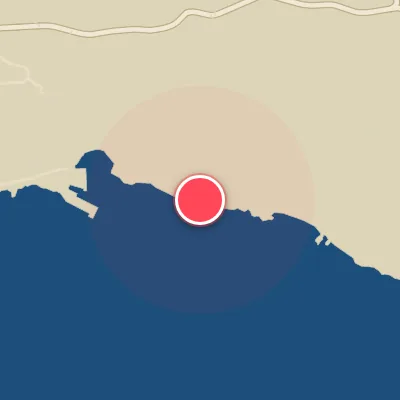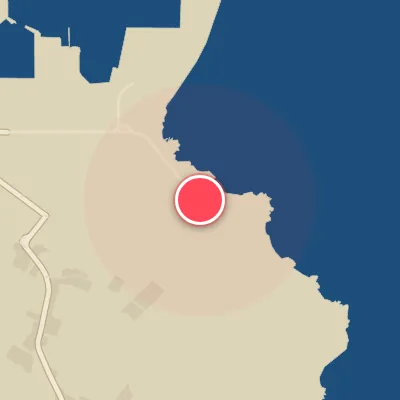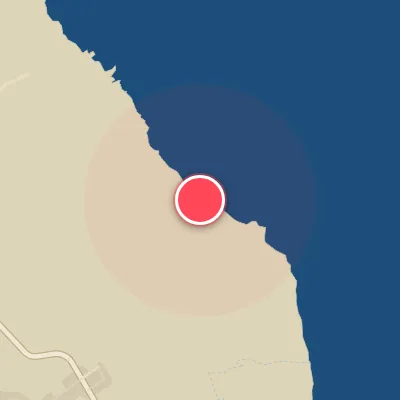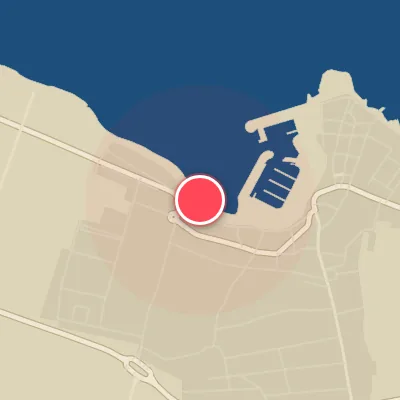
Today's Surf Conditions at Faja dos Cubres
Spot Overview & Description
Faja dos Cubres delivers a world-class left pointbreak that wraps its way down a rugged rock wall, peeling over a bed of submerged boulders. When it's on, this wave is heavy, powerful, fast, and hollow, with three distinct sections that can link up into a long, freight-train ride under the right swell direction. The takeoff sits closer to the rocks than the neighboring fajas, so positioning is key. In smaller conditions, exposed boils and dry rocks become a hazard, making the wave more technical and less forgiving. This is a spot for experienced surfers who crave raw, slabby power and are comfortable navigating a tight, rock-lined lineup.
Best Surf Season & Climatology
Best Surf Season (October - March)
The North Atlantic roars to life from October through March as the Azores High weakens and the NAO shifts into a more storm-friendly pattern. Extratropical cyclones track across the North Atlantic, sending long-period groundswells toward the Portuguese coast. Average open-ocean swell heights climb to 5-6ft (1.5-1.9m) with periods of 10-11 seconds, translating to near-shore waves of around 3ft (0.9-1.0m) at Faja dos Cubres. However, the spot's north-facing exposure means it only truly fires when the swell arrives from N, NNW, or NNE. The dominant W-WNW swells are less effective, but when the storm track shifts and sends NNW energy, the wave quality jumps. Offshore winds from the S-SW quadrant occur regularly, but strong onshore N-NW winds often accompany the biggest swells, so timing is key. Water temperatures hover around 16-18°C, requiring a good wetsuit.
Detailed Surf Information for Faja dos Cubres
Detailed Surf Forecast
Access our detailed 8-day swell and wind forecast charts for Faja dos Cubres with tidal graphs, period ranges, and daily forecast text summaries.
Swell & Wind Statistics
Explore historical swell consistency, wave heights, and offshore wind windows month-by-month, compiled from over 40 years of data.
Historical Surf Report
Browse the historical database archives to view past wave reports and understand spot climatology during specific years and months.