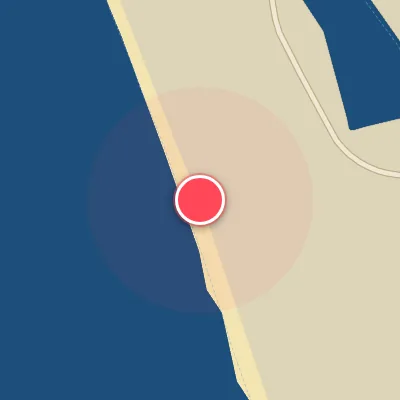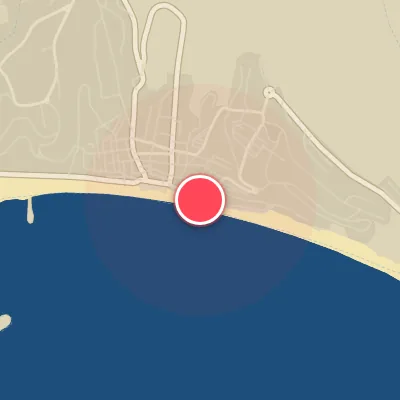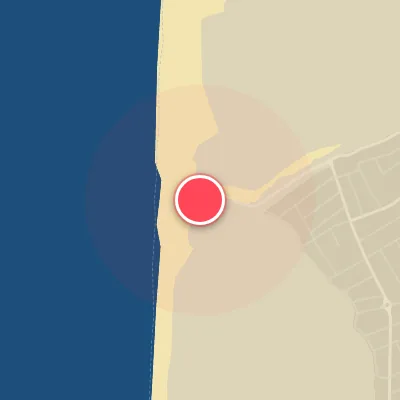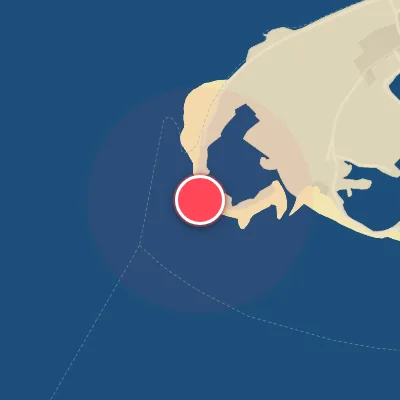
Today's Surf Conditions at Troia
Best Surf Season & Climatology
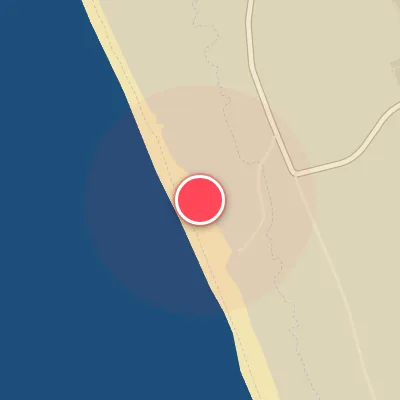
Troia's southwest-facing beach is a study in North Atlantic seasonality. Exposed to the southwest, this stretch of the Portuguese coast is at its best when Atlantic lows line up from the Azores to the Bay of Biscay, aiming long-period W/SW swell into the beach while high pressure over Iberia feeds offshore E/NE winds. The seasonal rhythm is pronounced: winter months deliver consistent head-high-plus groundswell with up to 47% ideal wind, while summer falls into a small, cross-shore NW wind pattern.
Best Surf Season (October - March)
From October the North Atlantic roars back to life. Average swell heights climb from 3.5ft (1.1m) in September to 5ft (1.5m) in October and then max out at 6-7ft (2.0m) between December and February. Wave periods sit in the 11-13 second range, meaning powerful, long-period groundswell with real penetration at Troia. The all-important offshore flow from NNE, NE, ENE and E is most reliable in this window, with ideal wind percentages of 40-47%. A positive North Atlantic Oscillation often points the storm track straight at Iberia, while high pressure to the east sets up offshore E/NE flow. When a low pressure center tracks west of Portugal and sends W/SW swell while the wind goes light easterly, Troia produces its cleanest, heaviest waves. Water temperatures run from a cool 14.7°C in February to a mild 18.2°C in October, so a solid 4/3 wetsuit is the go-to. This is the money season.
Detailed Surf Information for Troia
Detailed Surf Forecast
Access our detailed 8-day swell and wind forecast charts for Troia with tidal graphs, period ranges, and daily forecast text summaries.
Swell & Wind Statistics
Explore historical swell consistency, wave heights, and offshore wind windows month-by-month, compiled from over 40 years of data.
Historical Surf Report
Browse the historical database archives to view past wave reports and understand spot climatology during specific years and months.