Map
Map
Sidi Moussa d'Aglou
Today's Surf Conditions at Sidi Moussa d'Aglou
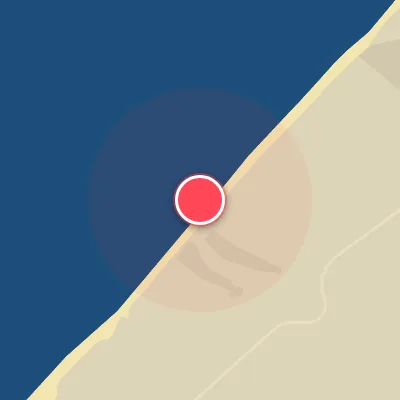
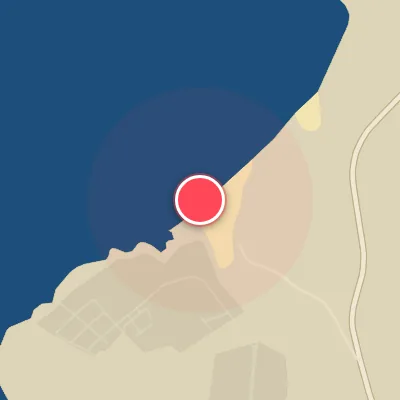
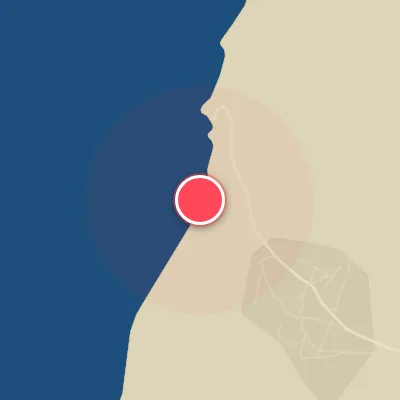
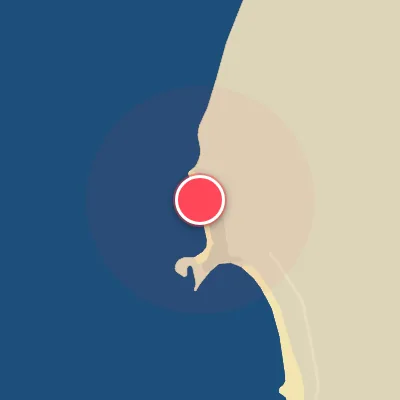
Spot Conditions Map
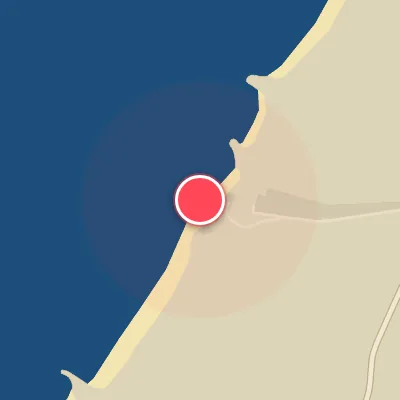
Hover over the hourly chart columns to update the wind & swell direction overlays on the map.
Today's Surf & Wind Forecast (Hourly)
Loading forecast text...
Spot Overview & Description
Sidi Moussa d’Aglou is a quiet, off-the-radar stretch of Moroccan coastline tucked near Tiznit, offering a genuine escape from the region’s more crowded lineups. The main beach unfolds with scenic dunes and a relaxed, unhurried vibe—perfect for surfers who value solitude as much as the ride. When conditions align, the waves offer legitimate fun. The break works best on a west swell, with southwest and north directions also producing rideable waves starting around 1 foot (0.3 meters). The setup is a blend of sandy beach and scattered reef, delivering both lefts and rights that suit intermediate surfers looking to sharpen their skills. Low to mid-tide tends to clean things up, and an east wind is your friend here, smoothing the surface and shaping up lines. As with any less-heralded spot, conditions can vary, so a quick check before suiting up is always wise. What sets Sidi Moussa apart is the quiet. Crowds are rare, often just a handful of others in the water. That means more waves and a serene focus on your riding, free from the hassle of a packed peak. If you’re seeking a low-key, quality setup with room to breathe, this is it.
Best Surf Season & Climatology
Best Surf Season (November - February)
The North Atlantic roars to life as autumn deepens into winter, and Sidi Moussa d'Aglou reaps the rewards. From November through February, average swell heights hover around the 2.0-2.1m mark, with wave periods stretching into the 12-13 second range – a sign of powerful, long-period groundswells generated by intense extratropical lows far out in the Atlantic. The prevailing swell directions are NW and NNW, which directly strike this northwest-facing beach. Critically, the wind patterns align favorably: a semi-permanent high-pressure system over the Sahara often pumps cool, dry air from the SE and SSE quadrants, creating offshore flow that grooms the waves into clean, lined-up walls. With ideal wind conditions 46-56% of the time, these months deliver the most consistent and high-quality surf of the year. When a strong low spins up and the Azores High positions perfectly, we see pumping 2-2.5m waves at 14-15s intervals – the kind of days that keep a surfer mentally planning the next session before the last one is even over.
Fair Surf Season (March & October)
March and October mark the transition between the quiet summer and the active winter pattern, offering a mixed bag. March still sees a generous 2.1m average swell height and a healthy 12.3s period, but the ideal wind percentage drops to 39% as the jet stream begins to shift and onshore NW winds become more common. The swell remains primarily NW and NNW, but you'll need to pick your windows carefully. October is the mirror image – the summer heat is fading, and the first substantial NW groundswells of the season roll in (average 1.7m, 11.5s). The wind is still recovering from its onshore summer dominance, with only 37% ideal conditions, but the upswing in swell energy is unmistakable. Savvy surfers will watch for early-autumn cold fronts that clear out the humidity and prime the coast for a few days of offshore flow.
Low Surf Season (April - September)
From April through September, Sidi Moussa d'Aglou enters a prolonged lull. The average swell height drops to 1.4-1.9m and the wave period shortens to 8-10s, indicating a shift toward weaker, shorter-period windswell or decaying groundswell. The dominant swell direction is overwhelmingly NNW – often exceeding 65% of the total in May, June, July, and August – but this is not the clean, powerful NNW of winter. Instead, it is typically accompanied by the region's prevailing onshore winds from the NW and WNW quadrants (combined 30-50+%), which chop up the surface and degrade wave quality. The ideal wind percentage plummets to 10-22% from June to August, making clean surf a rare commodity. Occasionally, a late-season Saharan low will swing winds around to the south, providing a few hours of offshore conditions, but the swell is usually small and inconsistent. For the dedicated surfer, this is a time to chase the rare combo: a distant tropical storm or an early cold front can surprise, but expectations should be low. The summer doldrums are real here.
Detailed Surf Information for Sidi Moussa d'Aglou
Detailed Surf Forecast
Access our detailed 8-day swell and wind forecast charts for Sidi Moussa d'Aglou with tidal graphs, period ranges, and daily forecast text summaries.
Swell & Wind Statistics
Explore historical swell consistency, wave heights, and offshore wind windows month-by-month, compiled from over 40 years of data.
Historical Surf Report
Browse the historical database archives to view past wave reports and understand spot climatology during specific years and months.