Today's Surf Conditions at Inches
Spot Overview & Description
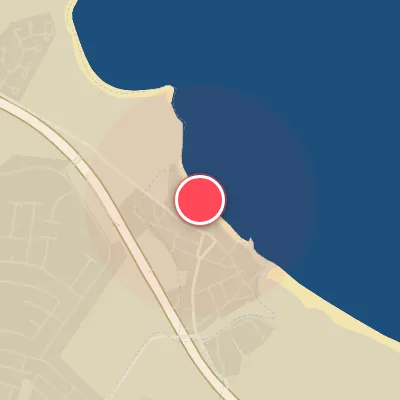
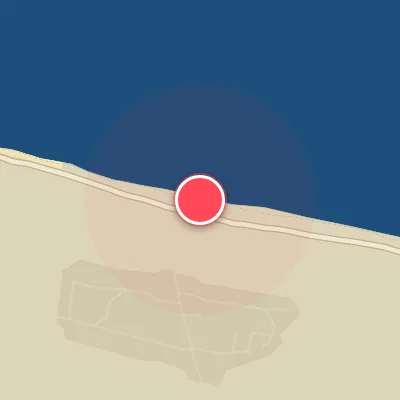
Just off the coastal stretch of Route 1 outside Patillas, Inches lives up to its name—a reef-break where waves often detonate in knee-deep water just yards from the sand. This is a prime summer staple in Puerto Rico’s lineup, especially when hurricane pulses roll in from the south or southeast. Swell windows of 4 to 8 feet (1.2 to 2.4 meters) can light up a rippable, sometimes barreling left that peels across a shallow coral platform for a solid 100 yards. The adjacent mountains work a subtle magic, bending the dominant northeast trades into a clean offshore breeze that grooms the faces just enough for long, carveable walls. The break has a shape-shifting personality—sliding north or south depending on swell angle and sand movement—which actually helps spread the crowd load. Access couldn’t be simpler: pull off Route 1 and park steps from the takeoff zone. The local vibe is generally mellow, and the audience ranges from beginners testing their first lefts to experts threading shallow barrels. Best performance comes on a low to mid-tide, when the reef’s coral teeth are most forgiving. Just don’t forget to watch for fire coral, a hidden hazard that lurks beneath the crystal water. Timed right—typically summer and fall, particularly after a tropical cyclone tracks south of the island—Inches offers surging, hollow lefts that earn their reputation as a go-to for those chasing Puerto Rico’s south-shore magic.
Best Surf Season & Climatology
Best Surf Season (November - March)
For a south-facing beach like Inches, the most important ingredient is a clean south or southwest swell, and the data is brutally honest: those directions are almost nonexistent for much of the year. The spot is instead a trade-wind windswell break, and its best months come when the Atlantic high pressure system strengthens and the E/ESE trade-wind fetch becomes more organized. From November through March, average wave heights hold near 3ft (0.9m), periods reach the 6.0-6.2s range, and the E/ESE energy contains its highest share of 3-5ft (1-1.5m) surf. The ideal wind percentage is generally high, especially in November and December, and winter cold fronts periodically swing the breeze into the N/NW quadrant, transforming a bumpy trade-sea into clean, punchy lines.
Detailed Surf Information for Inches
Detailed Surf Forecast
Access our detailed 8-day swell and wind forecast charts for Inches with tidal graphs, period ranges, and daily forecast text summaries.
Swell & Wind Statistics
Explore historical swell consistency, wave heights, and offshore wind windows month-by-month, compiled from over 40 years of data.
Historical Surf Report
Browse the historical database archives to view past wave reports and understand spot climatology during specific years and months.