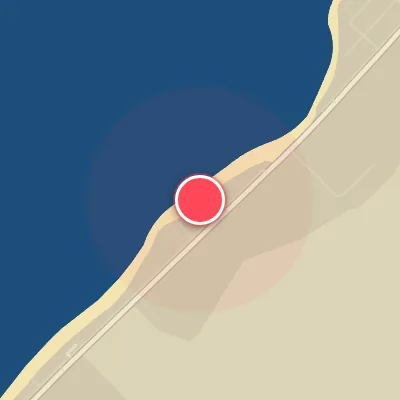
Map
Map
Waimea
Today's Surf Conditions at Waimea
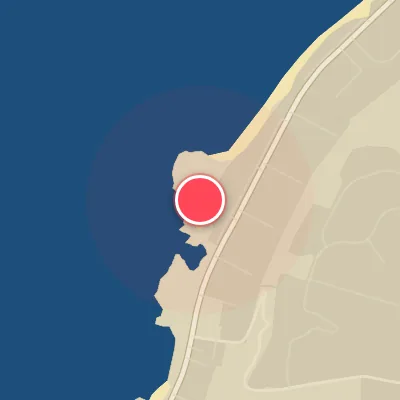
Spot Conditions Map
Hover over the hourly chart columns to update the wind & swell direction overlays on the map.
Today's Surf & Wind Forecast (Hourly)
Loading forecast text...
Spot Overview & Description
Waimea Bay stands as the North Shore’s ultimate big-wave proving ground, a right-breaking reef heaving over jagged lava rock. When deep-water swells from the north-northwest slam into the underwater shelf well outside the headland, they detonate into the bay’s trademark sudden, heavy takeoff—a moment of pure commitment that feeds into a long, thundering run toward the channel. This is the benchmark wave, reserved exclusively for expert surfers armed with gun boards, deep big-wave experience, and total focus. On quieter days when the main bay lies dormant, look to Pinballs along the lava rock point for shorter, punchy pockets that still demand respect.
Best Surf Season & Climatology
Best Surf Season (October - March)
Waimea fires best when the North Pacific comes alive, and from October through March the region is squarely in the crosshairs of powerful extratropical storms. Average swell heights climb above 2.0m, peaking near 2.7m in December and January, with periods consistently in the 11-13 second range—pumping and very powerful by our metrics. The dominant swell directions are a classic winter mix of NW and NNW, both ideal for the west-north-west facing coast. Offshore winds from the east and southeast are common, especially during high pressure setups, giving ideal surf conditions 22-28% of the time. This is when Waimea lives up to its legend: heavy, long-period groundswells wrapping in, groomed by clean offshore breezes, producing epic, pumping waves that challenge even the best.
Fair Surf Season (April - May & September)
As the seasonal transition ramps up, April, May, and September offer a mellower but still rewarding window. Swell heights drop to the 1.8-2.2m range, wave periods settle around 9-10 seconds, and the dominant swell shifts more toward NE and ENE—which aren't optimal directions but can still produce rideable lines, especially when combined with a bit of NW energy. The trade wind inversion strengthens, and ideal offshore wind percentages hover between 17-25%. While the consistency and power are lower than mid-winter, these months yield plenty of fun, solid days with lighter crowds and a more forgiving size. Good for logging and refining your technique on the famed Waimea walls.
Low Surf Season (June - August)
Summer is the quietest time at Waimea. From June through August, average swell heights bottom out at 1.6-1.7m and periods shrink to 7.8-8.2 seconds—average, punchy, rideable at best, but often choppy and messy. The swell direction is overwhelmingly from the ENE (over 50% of the total), which is far from ideal for this exposed NW-facing spot. Meanwhile, strong trade winds from the same ENE/E quadrant blow consistently, but only 10-15% of the time are they light enough or perfectly aligned to be considered ideal. The result is often weak, short-period windswell with a bumpy surface. Summer is a quiet season for Waimea, best left to longboarders and those seeking small-wave fun; the truly good waves are few and far between.
Detailed Surf Information for Waimea
Detailed Surf Forecast
Access our detailed 8-day swell and wind forecast charts for Waimea with tidal graphs, period ranges, and daily forecast text summaries.
Swell & Wind Statistics
Explore historical swell consistency, wave heights, and offshore wind windows month-by-month, compiled from over 40 years of data.
Historical Surf Report
Browse the historical database archives to view past wave reports and understand spot climatology during specific years and months.