Map
Map
Antonio's
Today's Surf Conditions at Antonio's
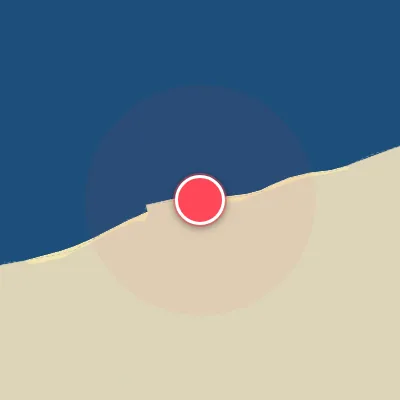
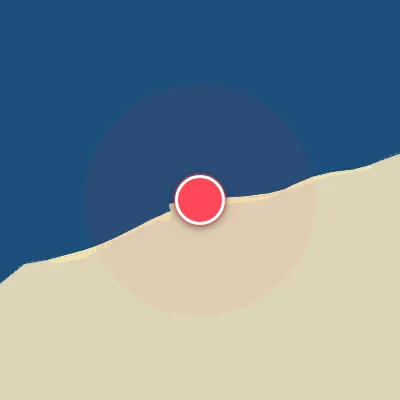
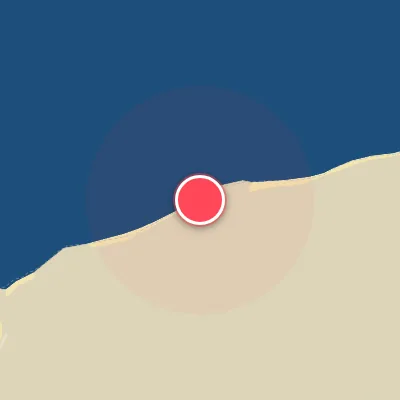
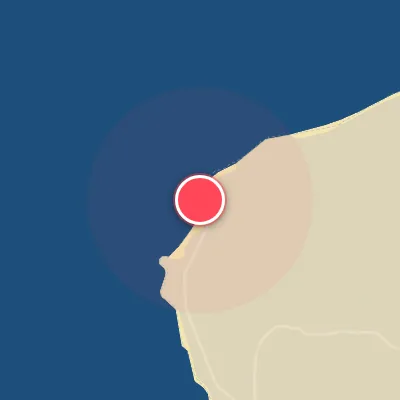
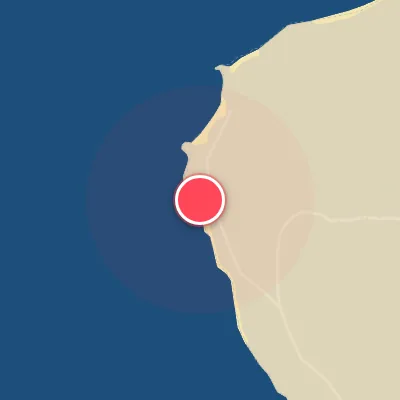
Spot Conditions Map
Hover over the hourly chart columns to update the wind & swell direction overlays on the map.
Today's Surf & Wind Forecast (Hourly)
Loading forecast text...
Spot Overview & Description
Tucked into the northern flank of Rincon, Antonio's offers a distinct split personality: a dominant right-hander that reels off toward the reef, and a shorter, punchier left that adds a touch of variety. The wave breaks over a blend of sand and reef, which can produce some playful, sometimes lumpy, sections — not always picture-perfect, but rarely boring. Because of its more northward exposure, Antonio's tends to run a bit bigger than the main Rincon point, easily picking up stray energy from passing swell trains. The spot comes alive in the 4 to 8 foot range (1.2 to 2.4 meters), with the best consistency coming from northwest, north, and northeast swells. Low to mid tides are the sweet spot, delivering the best shape and ride length. This versatile window makes Antonio's a solid option for beginners and intermediates, though advanced surfers can find their groove, especially when the right sets line up. Wind preference is south — think east-southeast to south-southwest — so aim for those lighter, onshore or side-offshore breezes. The paddle out can vary: on smaller days it's a breeze; under a bigger swell, you'll need to time the lulls and work a bit harder. Access is straightforward, with parking just west of The Landing, and the jetty provides a clear entry point. Crowds can build, but thanks to two distinct takeoff zones, the lineup tends to spread out, keeping the vibe mellow and the localism low. Just keep an eye on the forecast after heavy rains — the runoff can turn things a bit grimy, so a fresh water rinse is recommended.
Best Surf Season & Climatology
Best Surf Season (October - March)
As the North Atlantic churns to life with powerful extratropical storms, Antonio's enters its prime window from October through March. The average swell height hovers between 1.2m and 1.6m, with wave periods often reaching 10 seconds or more, translating to punchy, lined-up waves that wrap into the NNW-facing beach. While the percentage of ideal offshore winds (from the south quadrant) sits between 33% and 44% during these months, the sheer power and consistency of N, NNE, and NNW swell make this the go-to period for experienced surfers. When a strong low-pressure system tracks east of the coast, we see long-period NW groundswell that can push into the 1.5-2.5m range, creating firing conditions. The trade-off is that the wind is often onshore from the NE or ENE, so you have to pick your days carefully—but when the wind swings south, the reward is epic.
Fair Surf Season (April, May & September)
These transition months see the jet stream begin to shift northward, reducing the frequency of powerful storms. Average swell heights drop to 1.1-1.3m, and wave periods shorten to 8.7-9.6s, bringing more fun-sized, rippable surf rather than heavy barrels. The upside: the percentage of offshore winds climbs to 50-63%, offering cleaner conditions more often. For April and May, the dominant swell still comes from the NE-ENE quadrant, but occasional NNE pulses can deliver decent shape when the wind cooperates. September marks the beginning of the autumn ramp-up, with the first real groundswells of the season starting to appear—though they are still inconsistent compared to the heart of winter. These months are ideal for logging sessions on a groveler or shortboard when the swell is small, but you won't want to put your step-up away completely.
Low Surf Season (June - August)
Summer brings a dramatic shift: the North Atlantic storm track retreats far to the north, leaving Antonio's starved for consistent swell. Average wave heights barely scrape 1.0m, and periods plunge to 6.7-7.3s, resulting in mostly choppy, low-energy waves that are often too small and crumbly for any real surfing. The swell direction is almost exclusively from the ENE and E, which means the waves are heavily shadowed and lack any of the power or shape that N and NNW swells provide. The one saving grace is the wind: offshore wind percentages are still high (51-68%), so if you have a stand-up paddleboard or a foamie, you can find some fun on a glassy day. But for anyone expecting real surf, this is the time to travel or focus on other water sports. Occasional tropical storms or hurricanes can inject a fleeting pulse of swell, but those events are rare and often accompanied by unfavorable winds.
Detailed Surf Information for Antonio's
Detailed Surf Forecast
Access our detailed 8-day swell and wind forecast charts for Antonio's with tidal graphs, period ranges, and daily forecast text summaries.
Swell & Wind Statistics
Explore historical swell consistency, wave heights, and offshore wind windows month-by-month, compiled from over 40 years of data.
Historical Surf Report
Browse the historical database archives to view past wave reports and understand spot climatology during specific years and months.