Map
Map
Areia Branca
Today's Surf Conditions at Areia Branca
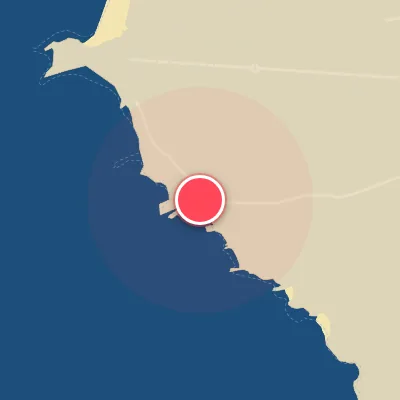
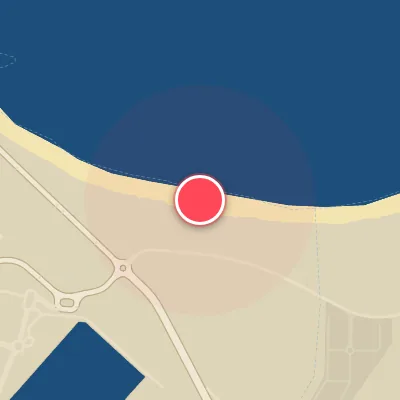
Spot Conditions Map
Hover over the hourly chart columns to update the wind & swell direction overlays on the map.
Today's Surf & Wind Forecast (Hourly)
Loading forecast text...
Spot Overview & Description
Stretching from the breezy summer retreat of Areia Branca down toward Santa Cruz, Praia Areia Branca anchors a broad, sandy coastline punctuated by the occasional underwhelming reef setup. The main draw here is a dynamic beachbreak over clean sand, offering both left and right peaks that shift with the swell. This is a versatile, forgiving wave that suits a range of abilities, though conditions are best when a solid groundswell fills in from the northwest or west, combined with light offshore winds from the east or southeast. Mid-tide often cleans up the shape, while low and high can turn fat or dumpy depending on sandbars. A classic Portuguese fickle alternative when the more famous spots are crowded, but worth a session when the swell aligns.
Best Surf Season & Climatology
Best Surf Season (October - March)
The North Atlantic roars to life during the winter months, and Areia Branca reaps the rewards. From October through March, the average swell height consistently exceeds 2.0m, often pushing 2.5m in January and December, with long to very long wave periods of 11 to 13 seconds. This is prime time for powerful, long-period groundswells generated by intense extratropical storms tracking across the Atlantic. The wind, while often from the west quadrants, aligns favorably for offshore conditions roughly 30-40% of the time, especially when high pressure sets up over the interior, drawing in light easterly or north-northeasterly winds. Expect firing, pumping waves in the 1.5-2.5m range, and occasional XL swells over 2.5m for the bold. Low-pressure systems and the negative phase of the NAO index often bring the most consistent and largest swell, creating epic sessions at this west-facing beach.
Fair Surf Season (April, May, September)
As spring and early autumn transition, the quality dials back but still offers plenty of fun. In April, average swell drops to 2.0m with a period of 11.1s, while May sees a further decline to 1.7m and 9.9s. September marks the return of bigger swell, averaging 1.6m but with a solid 10.5s period and increasing ideal wind frequency (17%). During these months, the dominant swell direction is from the northwest and west-northwest, providing good, rippable waves in the 1-1.5m range, with occasional pumping days. Wind patterns are more mixed; offshore east and north winds occur but are less frequent (21% in April, 15% in May, 17% in September). Surfable waves are common, but you'll need to pick your moments when the wind cooperates, often in the early morning or with a favourable easterly breeze.
Low Surf Season (June - August)
Summer at Areia Branca is characterised by small, short-period swell and poor wind conditions. From June to August, average swell heights hover around 1.4-1.5m with periods of just 8.5-9.2s. The swell is almost exclusively from the north-northwest to northwest, which does hit the beach but lacks power. The real killer is the wind: consistent northerly and north-northwesterly winds dominate over 60% of the time, blowing onshore or cross-onshore, ruining the wave quality. Ideal offshore wind conditions drop to a mere 5-9% of the time. Waves are often choppy, weak, and messy, with only the occasional fun-sized 0.5-1m wave for grovelling. This is a time for longboard or foam boards, or simply waiting for the rare weather event that brings a clean, distant swell and light eastern winds. The summer doldrums of the North Atlantic storm track are fully in effect.
Detailed Surf Information for Areia Branca
Detailed Surf Forecast
Access our detailed 8-day swell and wind forecast charts for Areia Branca with tidal graphs, period ranges, and daily forecast text summaries.
Swell & Wind Statistics
Explore historical swell consistency, wave heights, and offshore wind windows month-by-month, compiled from over 40 years of data.
Historical Surf Report
Browse the historical database archives to view past wave reports and understand spot climatology during specific years and months.