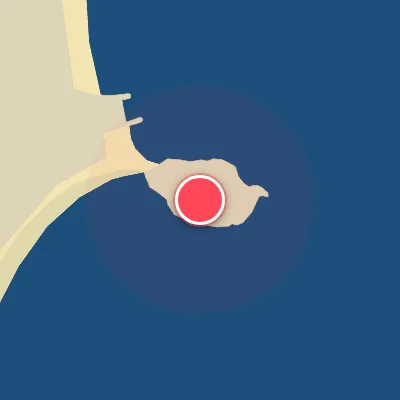
Map
Map
Black Rock
Today's Surf Conditions at Black Rock
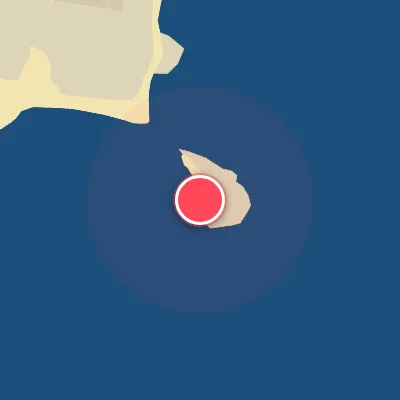
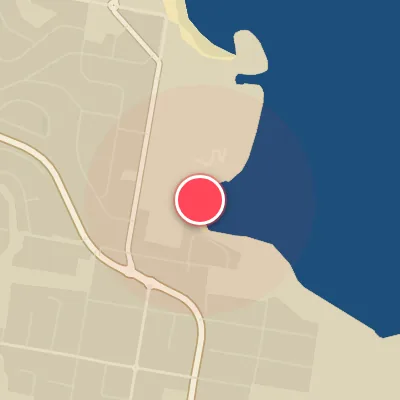
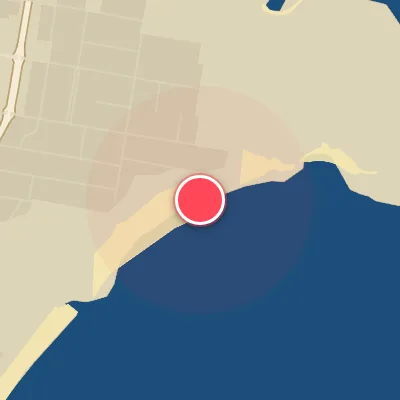
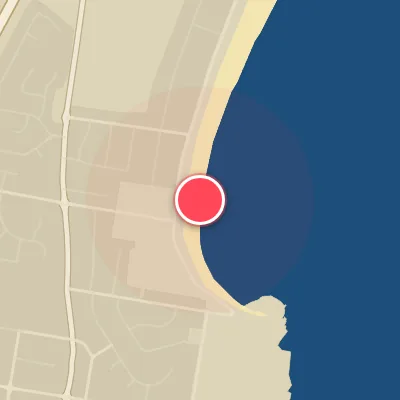
Spot Conditions Map
Hover over the hourly chart columns to update the wind & swell direction overlays on the map.
Today's Surf & Wind Forecast (Hourly)
Loading forecast text...
Spot Overview & Description
Tucked into the stunning Jervis Bay region of New South Wales, Black Rock—also known to the initiated as Aussie Pipe—delivers a raw, reef-driven experience that demands respect. This isn’t a place for the faint of heart; it’s a spot for expert surfers hungry for a challenge. When the south swell pulses in, the wave peels over an uneven reef bed, offering both lefts and rights depending on the direction. You can expect waves from around 3 feet up, and the break holds through low, mid, and high tide. The magic happens under a northeast wind, with the preferred swell angles coming from the south and southeast. But Black Rock is more than just a wave—it’s steeped in significance. The land was returned to its traditional owners in 1955, and the local Indigenous surfing community has deep roots here. That heritage runs through the lineup, and so does a fierce sense of ownership. Crowds are the norm when conditions align, especially when a southeast swell meets a northeast seabreeze. Paddling out means navigating a packed, protective lineup where respect isn’t optional—it’s the price of entry. If you’ve got the skills and the humility, Black Rock rewards you with consistent, hollow reef waves set against one of Australia’s most beautiful coastlines.
Best Surf Season & Climatology
Best Surf Season (November - March)
During the Southern Hemisphere summer, Black Rock benefits from a higher frequency of offshore winds from the NNE to E quadrants, with the wind being ideal for surfing around 30-34% of the time. The trade wind regime sets up a consistent ridge of high pressure over the Tasman Sea, funneling clean easterly breezes across the point. While the swell direction remains far from optimal—dominated by E to SSE windswell—the combination of clean offshore winds and rideable 1-1.5m waves at 8-9s periods provides the most reliable surf. Don't expect perfect barrels; think fun, rippable, albeit sectiony waves.
Fair Surf Season (April - May and September - October)
The shoulder months see a transition in wind patterns. The offshore wind frequency dips to 23-29% as the subtropical ridge weakens and more frontal systems brush the region. Swell heights hold steady around 1.6-1.7m, with periods gradually increasing to 9-9.5s in autumn (April-May) as more S/SSE groundswells from Southern Ocean storms make their presence felt. However, these south swells arrive at a poor angle for Black Rock's SW-facing beach, often wrapping in with reduced energy. Wind conditions become more variable, with an increase in W to S winds that put the spot onshore. It's a gamble—catch a clean north-easterly morning and you can score some fun waves, but conditions deteriorate quickly.
Low Surf Season (June - August)
Winter is the low point. The frequency of ideal wind drops to just 16-22%. The dominant wind flow swings to the west and northwest as a series of strong cold fronts march across the Great Australian Bight. These west winds are onshore at Black Rock, creating messy, choppy conditions. While swell heights remain around 1.6-1.8m, the wave period is still 9-9.4s, but the swell direction focuses around S to SSE, which is not well aligned. The combination of onshore wind and poor swell angle results in mostly poor quality waves. If you're desperate, a rare high-pressure ridge can deliver a light NNE breeze and some S swell wrap, but it's the exception not the rule.
Detailed Surf Information for Black Rock
Detailed Surf Forecast
Access our detailed 8-day swell and wind forecast charts for Black Rock with tidal graphs, period ranges, and daily forecast text summaries.
Swell & Wind Statistics
Explore historical swell consistency, wave heights, and offshore wind windows month-by-month, compiled from over 40 years of data.
Historical Surf Report
Browse the historical database archives to view past wave reports and understand spot climatology during specific years and months.