Map
Map
Werri Beach
Today's Surf Conditions at Werri Beach
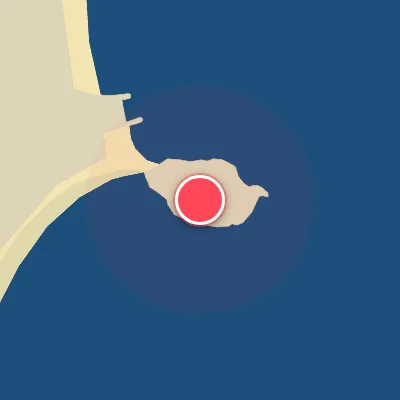
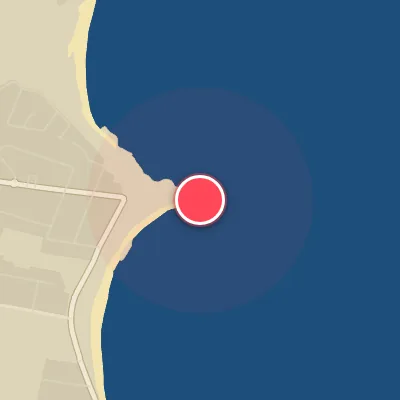
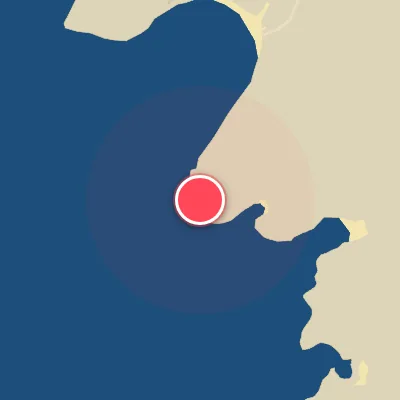
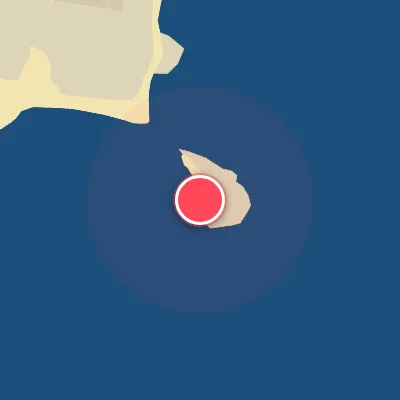
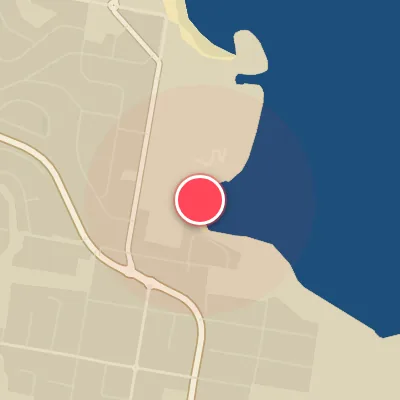
Spot Conditions Map
Hover over the hourly chart columns to update the wind & swell direction overlays on the map.
Today's Surf & Wind Forecast (Hourly)
Loading forecast text...
Spot Overview & Description
Werri Beach, perched on New South Wales’ south coast, is a classic salt-and-sand playground that draws a healthy mix of locals and holidaymakers alike. Its wide, dynamic beach breaks are the main attraction—capable of handling a range of swell sizes and directions, with a clear bias toward east and especially northeast pulses. When a solid NE groundswell rolls in, the northern end of the beach lights up with tidy A-frames that peel both left and right, offering plenty of options for a variety of skill levels. The break responds well to swell from around 1 foot and up, and it stays surfable across all tides—though you’ll find the best shape and most consistent waves during low to mid tide, when the sandbars are most defined. Optimal conditions call for a light west wind, grooming the lines and keeping the faces clean. While there are plenty of forgiving, user-friendly sections for beginners, don’t be lulled into complacency: the wave can pitch quickly into shallow, rock-studded barrels that demand respect and sharp reflexes. Expect summer crowds to build as caravan parks fill and the sun comes out—hitting the water early is your best bet for securing a peak to yourself. Good surf etiquette holds the lineup together here, so keep an eye out, share the sets, and respect the rhythm of the beach. As with any south coast sandbank, conditions can shift fast; check the swell and tide before you paddle out, and be ready to adapt.
Best Surf Season & Climatology
Best Surf Season (May - August)
The deep winter months deliver the most consistent offshore conditions at Werri Beach, with ideal wind percentages peaking between 61% and 68%. The predominant westerly and northwesterly winds blow cleanly across the beach, polishing the faces of swells that roll in from the southern quadrant. While the dominant swell direction shifts toward the S, SSE, and SE – slightly south of the beach’s optimal east-facing window – the wind regime more than compensates. Average wave periods hover around 9.3–9.5 seconds, meaning pulses are punchy and lined up. When a solid SE groundswell coincides with a fresh W or NW offshore, Werri truly turns on – think long walls and ripable sections.
Fair Surf Season (April & September)
These shoulder months offer the best of both worlds: the wind is still favourable 54–56% of the time, yet the swell spectrum begins to broaden. In April, the westerly wind belt remains active, and optimal swell directions (ENE through SE) make up roughly half the total wave energy. September sees a similar balance, though the wind becomes less reliable as spring storms start to mix in. This is prime time for clean, fun-sized surf with a mix of groundswell and windswell – perfect for groveling on a log or a fish. Keep an eye on synoptic charts; a passing high-pressure system can lay on days of pure offshore magic.
Low Surf Season (October - March)
The warmer months from spring through summer bring a dramatic flip in the wind pattern. The percentage of ideal offshore wind drops to 30–45%, and the prevailing breezes shift into the northeast and east quadrant – onshore for Werri. This is when the surf is frequently choppy and messy, especially when E/NE windswell piles in. The swell is actually quite plentiful, with average heights steady at 1.6–1.7m and periods between 8.2–8.7s, but without clean wind the quality suffers. That said, the east-northeast through southeast swell directions are indeed the most optimal for the beach’s shape, so when a rare westerly change occurs or a tropical low sends up long-period E swell, the windows of excellence are worth chasing. You just have to be patient and pick your days.
Detailed Surf Information for Werri Beach
Detailed Surf Forecast
Access our detailed 8-day swell and wind forecast charts for Werri Beach with tidal graphs, period ranges, and daily forecast text summaries.
Swell & Wind Statistics
Explore historical swell consistency, wave heights, and offshore wind windows month-by-month, compiled from over 40 years of data.
Historical Surf Report
Browse the historical database archives to view past wave reports and understand spot climatology during specific years and months.