Map
Map
Sandon Point
Today's Surf Conditions at Sandon Point
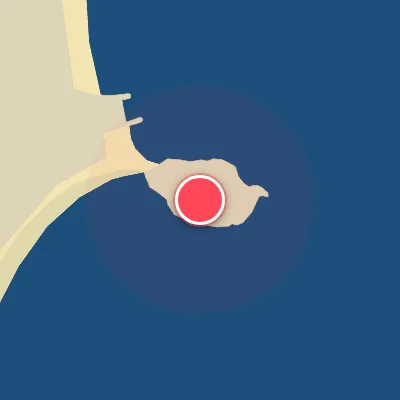
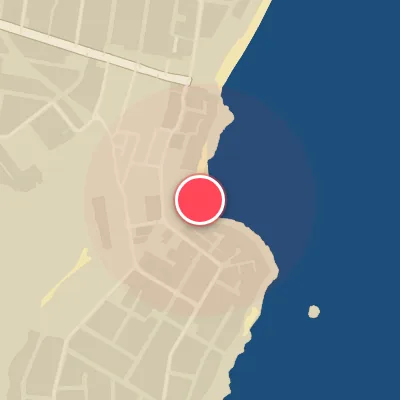
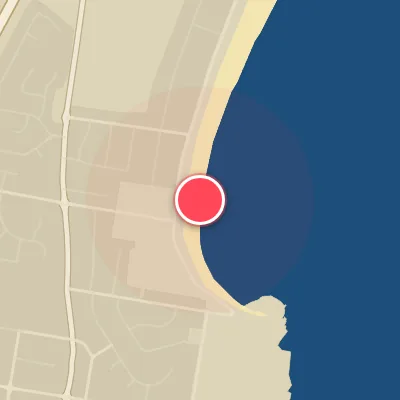
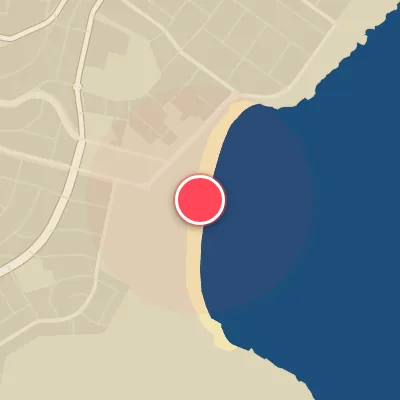
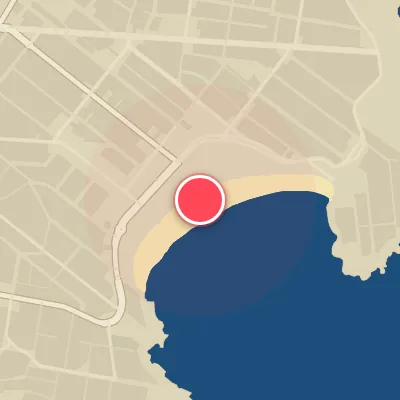
Spot Conditions Map
Hover over the hourly chart columns to update the wind & swell direction overlays on the map.
Today's Surf & Wind Forecast (Hourly)
Loading forecast text...
Spot Overview & Description
Tucked along the eastern seaboard, Sandon Point is a right-hand point break that demands respect and rewards only the most prepared. This is a wave for experts—a challenging, fast-moving reef break that surges to life with east swell and handles a compact 3-foot push with surprising power. Low tide is your best bet for the most hollow, critical sections, though mid to high tide can still serve up walls that transition from playful to heavy in a single moment. The take-off over an uneven reef is notoriously tricky, requiring precise positioning as waves ramp up quickly under a favorable southwest breeze, turning the lineup into a pulse-pounding arena. Expect company. Sandon Point draws a dedicated crowd, often referred to locally as "the Jetty," and the atmosphere can be tense. This is a territory where locals rule with an unspoken code, and any surfer out of sync with the rhythm will feel the pressure. Stay alert, be comfortable in the water, and come with your A-game—because here, a misstep can turn a rewarding ride into a lesson in humility.
Best Surf Season & Climatology
Best Surf Season (May - September)
The onset of autumn stabilises the synoptic pattern, bringing a welcome increase in offshore wind frequency from the SW to NW quadrants. From May through September, the percentage of ideal wind conditions climbs to between 43% and 54%, offering clean, groomed waves more often than not. Swell energy remains solid with average heights around 1.6-1.8m and periods pushing 9-10s. While the dominant swell directions shift south of east (SSE, S), the east-facing beach still picks up plenty of NE to SE groundswell – especially from East Coast lows and Tasman lows. This is the prime window for punchy, rippable surf under glassy skies. The longest rides and cleanest barrels are found when a strong WSW to NW wind coincides with a long-period E to SE swell. Plan your trip around these months for the most consistent quality.
Fair Surf Season (March - April & October - November)
Shoulder months offer a mixed bag. In March and April, the lingering summer heat still fuels sea breezes, and the optimal wind percentage fluctuates between 25% and 39%. Swell heights hold steady at 1.7m, with periods around 9s, but the direction is more easterly to southeasterly, which is good for shape. However, afternoon onshores often ruin the early-morning glass. October and November see a similar pattern in reverse, as spring transitions into summer. The trade wind influence strengthens, and ideal wind drops to 23-32%. Still, early mornings can deliver fun, clean waves before the seabreeze kicks in. These months require a bit more patience and a willingness to dawn patrol.
Low Surf Season (December - February)
The height of summer brings the least favourable conditions for Sandon Point. Ideal wind percentages tumble to 16-19%, with persistent onshore winds from the NE to SE quadrants dominating the daily pattern. While the swell direction is more easterly (optimal for the beach), the constant onshore flow turns the waves into choppy, messy affairs. Periods average 8.4-8.8s, producing lacklustre, weak surf. The few good days occur when a transient high-pressure system stalls over the Tasman Sea, allowing a brief window of light northwesterly or westerly winds to clean up the lingering ESE groundswell. Overall, summer is best left for swimming or other beach activities unless you're desperate for a grovel on a shortboard.
Detailed Surf Information for Sandon Point
Detailed Surf Forecast
Access our detailed 8-day swell and wind forecast charts for Sandon Point with tidal graphs, period ranges, and daily forecast text summaries.
Swell & Wind Statistics
Explore historical swell consistency, wave heights, and offshore wind windows month-by-month, compiled from over 40 years of data.
Historical Surf Report
Browse the historical database archives to view past wave reports and understand spot climatology during specific years and months.