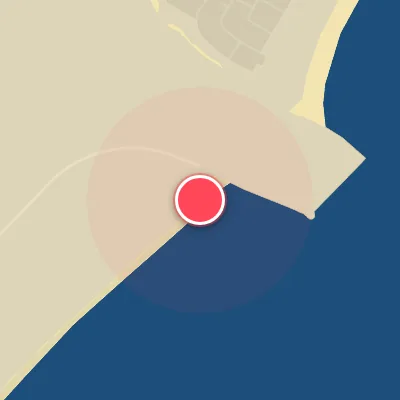
Map
Map
Broken Head
Today's Surf Conditions at Broken Head
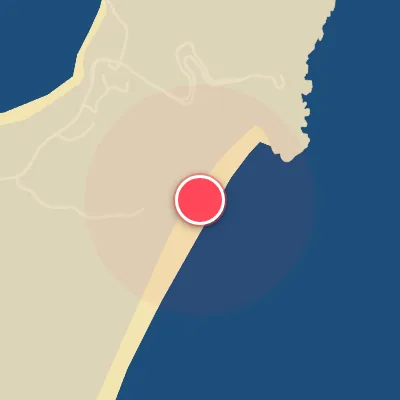
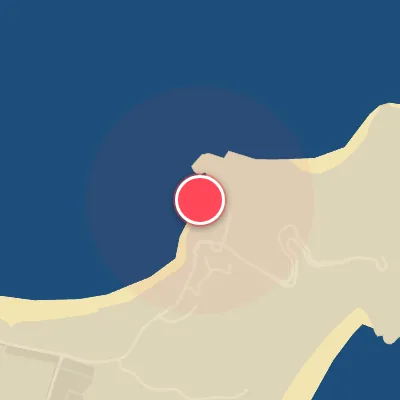
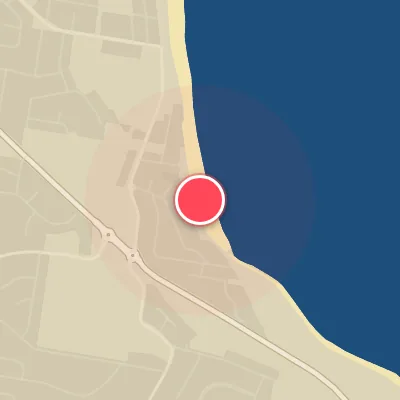
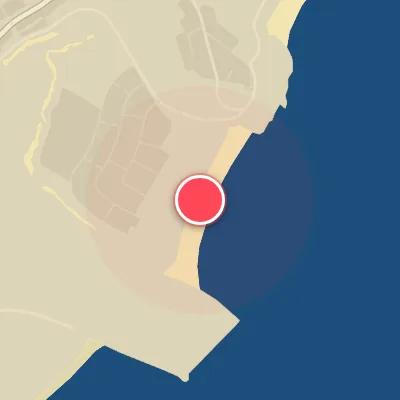
Spot Conditions Map
Hover over the hourly chart columns to update the wind & swell direction overlays on the map.
Today's Surf & Wind Forecast (Hourly)
Loading forecast text...
Spot Overview & Description
Broken Head, tucked just south of Byron Bay, offers a scenic escape from the region’s more crowded peaks, with a laid-back, old-school vibe that harkens back to Byron’s hippie heyday. The setup here is a blend of beach breaks and a distinct right point break, peeling over a mix of uneven reef and sand. When the stars align—namely a NorthEast swell pushing in at around 1ft (0.3m)—the waves can be playful and fun, though they rarely reach epic proportions. The breaks are nicely spread out, giving you plenty of room to find your own line, and the wave quality improves when a bit of sand has built up along the shoreline, making this more of a summer-focused spot. Best conditions arrive on a low to mid tide with a SouthWest wind to groom the faces. Beach breaks welcome all abilities, while the main point demands a bit more from intermediate surfers seeking a rewarding challenge. On smaller days, the pocket beaches along Seven Mile Beach Drive offer quieter, equally beautiful alternatives.
Best Surf Season & Climatology
Best Surf Season (April - May)
Autumn delivers the sweet spot at Broken Head. As the Tasman Sea cools and the subtropical ridge migrates north, a favorable synoptic pattern emerges. Offshore winds from the west (SW, WSW) become more prevalent, clocking in at over 44% ideal conditions in April and peaking at 57% in May. Meanwhile, the dominant swell directions shift from the pure east to a more ESE and SE component, but the east quadrant still pumps solid 1-1.5m groundswell at a punchy 9s period. This combination yields clean, rippable waves that peel perfectly along the headland. Expect fun-sized to good waves with occasional pumping sets when deeper low-pressure systems slide past New Zealand.
Fair Surf Season (March & June - September)
March offers the tail end of summer swell with wind still inconsistent (27% ideal), while the winter months from June to September bring a dramatic increase in offshore wind frequency – up to 68% in June. However, the swell direction takes a southward turn. The dominant swell trains shift to SSE, SE, and S (over 50% of the total in June), which means Broken Head receives more southerly energy that wraps around but lacks the full power of an east swell. Wave heights remain solid in the 1-1.5m range with periods averaging 9-9.6s – powerful but often bumpy due to the swell angle. September sees a transition with improving wind and more east swell returning, making it a fair bet for the patient surfer.
Low Surf Season (October - February)
Summer and early autumn are challenging at Broken Head. From November through February, the wind is ideal only 19-25% of the time, with strong northeasterly sea breezes (N, NNE, NE) dominating over 30% of the days – these are directly onshore for this east-facing spot. Swell is still present – mainly from E and ESE (January has 26% from E, 22% from ESE) – but the combination of onshore wind and often shorter-period trade wind swell (periods around 8.2-8.6s) creates messy, choppy conditions. October sees a slight improvement as winds start to back off, but it remains inconsistent. Only the occasional winter swell remnant or tropical cyclone event can produce good waves, but they are rare. Generally, this is a time to seek shelter or explore other breaks.
Detailed Surf Information for Broken Head
Detailed Surf Forecast
Access our detailed 8-day swell and wind forecast charts for Broken Head with tidal graphs, period ranges, and daily forecast text summaries.
Swell & Wind Statistics
Explore historical swell consistency, wave heights, and offshore wind windows month-by-month, compiled from over 40 years of data.
Historical Surf Report
Browse the historical database archives to view past wave reports and understand spot climatology during specific years and months.