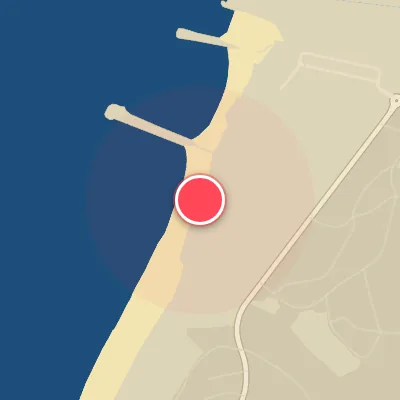
Map
Map
Cote des Basques
Today's Surf Conditions at Cote des Basques
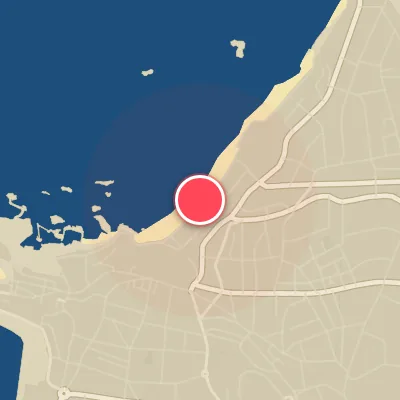
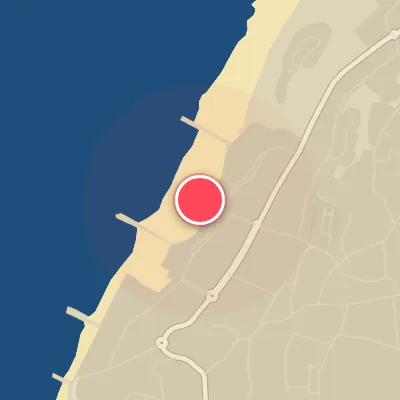
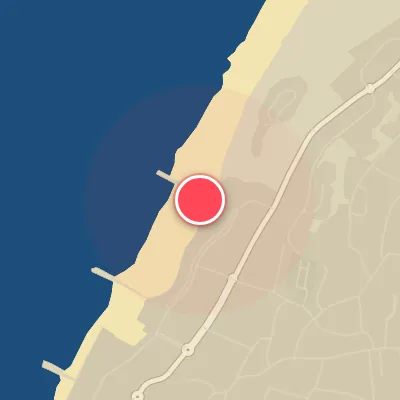
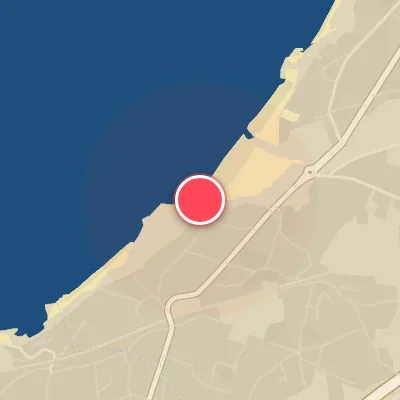
Spot Conditions Map
Hover over the hourly chart columns to update the wind & swell direction overlays on the map.
Today's Surf & Wind Forecast (Hourly)
Loading forecast text...
Spot Overview & Description
Côte des Basques is not just a beachbreak—it's the birthplace of French surfing, a storied stretch of sand where the country’s wave-riding legacy began. The setup delivers peeling lefts and rights over a forgiving, sandy bottom, with mellow, rolling walls that are tailor-made for longboarders, beginners, and surf schools, as well as laid-back holiday sessions under the summer sun. The lineup typically features a wedge-like peak hugging the headland and a second, more defined peak a bit farther down the beach. A scattering of offshore islands works to filter and groom the incoming swell, lending a touch of organization to the often playful, punch-less waves. While it’s predominantly a summer playground, the spot’s orientation keeps it rideable even when afternoon sea breezes kick in, offering a forgiving, crowd-friendly alternative to more demanding breaks nearby.
Best Surf Season & Climatology
Best Surf Season (October - March)
Winter along the Basque Coast is when the North Atlantic engine truly fires up. Deep, powerful low-pressure systems track across the North Atlantic, sending long-period WNW and NW groundswells directly into the Cote des Basques receiving zone. Average swell heights range from 1.6m to 1.8m, with periods often exceeding 12 seconds, delivering punchy, powerful waves that can easily reach pumping, firing conditions in the 1.5-2.5m range. Critically, the frequency of ideal offshore winds – from the WNW, W, WSW, and SW quadrants – peaks between 43% and 46% during these months, grooming the waves to perfection. The NAO index often trends positive in winter, steering storms toward the Bay of Biscay and ensuring consistent swell. This is the prime window for serious surf at Cote des Basques.
Fair Surf Season (April & September)
These transitional months offer a mixed bag. April sees a drop in average swell height to 1.2m with periods around 11 seconds, while September sees a rise back up to 1.1m and 10.6s. The Atlantic storm track begins to shift in April and is just revving up in September. While you won't get the consistent power of winter, there are still plenty of rideable days. Ideal wind percentages hover around 29-30%, which means clean, offshore conditions occur less frequently but are definitely attainable. Expect a blend of fun-sized groundswells and smaller groveling waves, especially early in April and late in September. Good for loggers and those who don't mind working a little harder for their waves.
Low Surf Season (May - August)
Summer brings the doldrums to the Bay of Biscay. The North Atlantic high-pressure system strengthens and shifts north, pushing the storm track away from the region. As a result, average swell heights plummet to just 0.9m to 1.0m with periods dropping into the 9-second range. The dominant swell direction remains NW and WNW, but the energy is significantly weaker. Worse, the frequency of ideal offshore winds plummets to between 17% and 23%. The prevailing winds become more westerly and stronger, often ruining wave quality with onshore conditions. While the occasional small, fun-sized wave might pop up from distant storms or local sea breeze patterns, this is primarily a quiet period. Surfers will find themselves groveling on small, weak waves, and the best chance for anything rideable usually comes early in the morning before the wind picks up. Summer is for beach days and travel elsewhere.
Detailed Surf Information for Cote des Basques
Detailed Surf Forecast
Access our detailed 8-day swell and wind forecast charts for Cote des Basques with tidal graphs, period ranges, and daily forecast text summaries.
Swell & Wind Statistics
Explore historical swell consistency, wave heights, and offshore wind windows month-by-month, compiled from over 40 years of data.
Historical Surf Report
Browse the historical database archives to view past wave reports and understand spot climatology during specific years and months.