Map
Map
Devil's Rock
Today's Surf Conditions at Devil's Rock
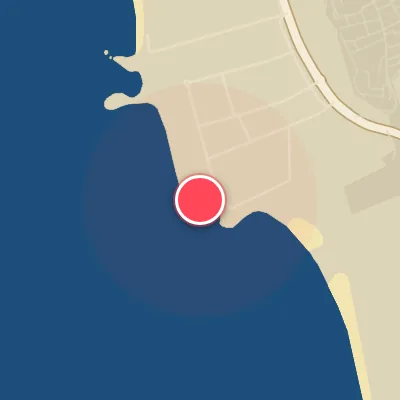
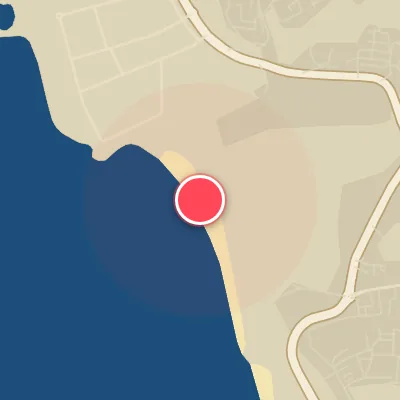
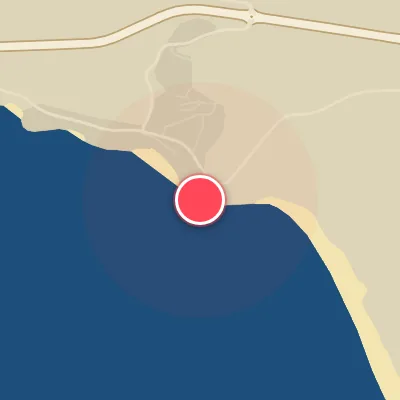
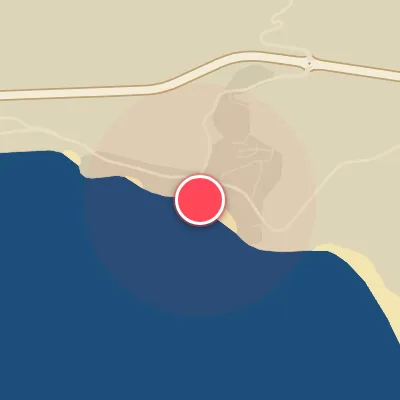
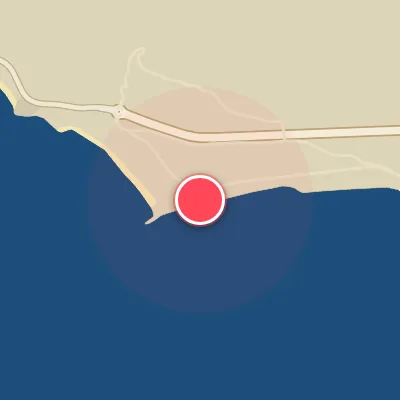
Spot Conditions Map
Hover over the hourly chart columns to update the wind & swell direction overlays on the map.
Today's Surf & Wind Forecast (Hourly)
Loading forecast text...
Spot Overview & Description
Tucked between two rocky headlands, Devil’s Rock offers a narrow, understated stretch of beach that escapes the crush of nearby, more famous lineups. The trade-off for a little less hype is a more relaxed, crowd-free zone where the focus stays on the waves. The backdrop is modest but pleasant, making it an easy spot to kick back and decompress after the session. The main draw here is a consistent right-hander peeling off the ‘Rocher Diablo’ formation, wrapping its way towards Banana Beach. It starts to wake up with swell as small as 1 foot and really hums when south-west or north pulses roll in. The wave breaks over a mix of uneven reef and sand, creating a textured, sometimes unpredictable surface that keeps you on your toes. Beach-break options are also available, offering both left and right peaks. When the wind locks in from the north-east, it’s on. And with all tides working—low, mid, or high—you’ve got a wide window to hit it. Devil’s Rock is built for the intermediate surfer looking to level up. The predominantly sandy bottom, forgiving vibe, and sparse crowds create a comfortable classroom for dialing in turns, reading shifting peaks, and gaining confidence. At times the wave can throw a little bow and hollow out, adding a touch of spice. It may not be a household name, but for a solid, low-stress session with character, this spot deserves a spot on your radar.
Best Surf Season & Climatology
Best Surf Season (October - March)
The North Atlantic roars to life during these months, and Devil's Rock feels the pulse. Average swell heights consistently hover around the 2-meter mark, with long-period groundswell (12-13 seconds) rumbling in from the deep. This is a direct result of the intensification of extratropical storm systems tracking across the North Atlantic, often linked to a positive North Atlantic Oscillation (NAO) index. The most critical factor, however, is the high frequency of offshore winds from the east and northeast quadrants. From October through March, the wind is ideal for surfing over 50% of the time, often peaking above 57% in December and November. This combination of powerful, long-period swell and consistent offshore wind creates the region's most classic, clean surf. The dominant swell direction during this period is heavily weighted from the NW to NNW. While these aren't the absolute optimal SW-W directions, the long periods allow significant refraction and energy to wrap directly into the west-southwest facing bay, delivering solid, rippable waves that can range from pumping (1.5-2.5m) to massive (>2.5m).
Fair Surf Season (April & September)
Shoulder seasons mark a transition. In April, the average wave period drops to 10.9s and the ideal wind window narrows to 35%. The swell remains sizeable (2.0m avg) but is increasingly dominated by short-period NNW windswell, making conditions less consistent. September sees a similar pattern: average heights drop to 1.5m as the summer heat stabilizes the ocean, but the period increases slightly (10.1s) signaling the first whispers of a new winter swell train. The wind remains a challenge, with ideal conditions occurring only 40% of the time. During these months, you'll need to pick your days carefully, waiting for the right blend of a modest long-period component from the west or southwest and a light offshore easterly breeze. Good waves are possible but far from guaranteed; think fun-sized (0.5-1m) to solid (1-1.5m) on the best days.
Low Surf Season (May - August)
Summer settles in, and with it comes a dramatic shift in the ocean's mood. The North Atlantic storm track retreats far to the north, leaving Devil's Rock starved of quality swell. The dominant swell direction shifts almost entirely to the NNW – a far-northern angle that is poorly aligned with the WSW exposure. While the fetch is long, the wave periods shrink to a lackluster 7-9 seconds, producing weak, short-period windswell. Average heights drop to between 1.6m and 1.8m, but these are mostly choppy, low-energy waves. The wind picture is mixed: while N and NNW winds dominate, these are largely cross-shore or onshore for the spot, corrupting what little energy arrives. The ideal wind percentage plummets to 28-40%, but even a clean day rarely delivers a compelling wave. This is a time for travel or introspection – the classic Low Surf Season where only a rare, unexpected late-season groundswell can briefly bring the spot back to life.
Detailed Surf Information for Devil's Rock
Detailed Surf Forecast
Access our detailed 8-day swell and wind forecast charts for Devil's Rock with tidal graphs, period ranges, and daily forecast text summaries.
Swell & Wind Statistics
Explore historical swell consistency, wave heights, and offshore wind windows month-by-month, compiled from over 40 years of data.
Historical Surf Report
Browse the historical database archives to view past wave reports and understand spot climatology during specific years and months.