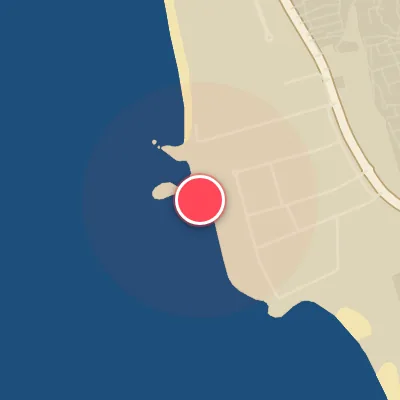
Map
Map
Anchor Point
Today's Surf Conditions at Anchor Point
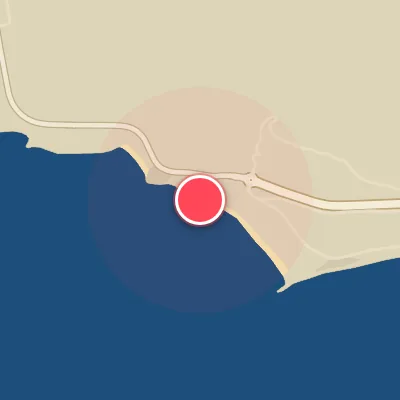
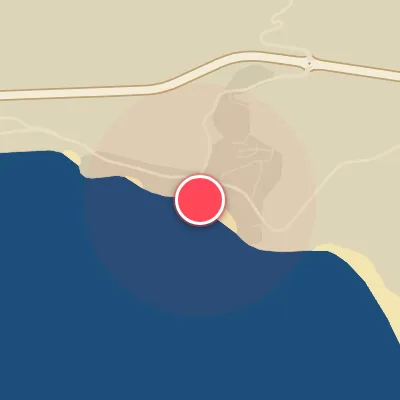
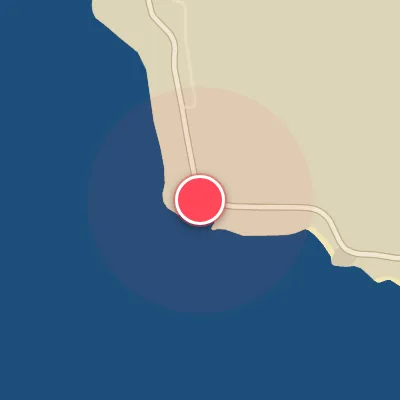
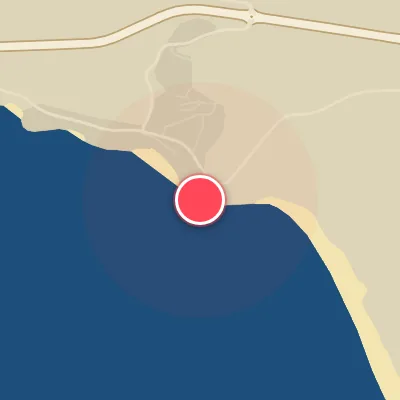
Spot Conditions Map
Hover over the hourly chart columns to update the wind & swell direction overlays on the map.
Today's Surf & Wind Forecast (Hourly)
Loading forecast text...
Spot Overview & Description
Anchor Point stands as Morocco's most iconic surf destination, a legendary right-hander that peels along a rugged rocky shelf in the heart of Taghazout. This wave pulses to life when the North Atlantic's winter storm track roars to life, delivering consistent, world-class rides that draw a global crowd. Access is straightforward, but the lineup can become a veritable soup of boards and bodies, especially on smaller swells. Fortunately, the surrounding area boasts at least four other elite breaks within a short drive, yet Anchor Point remains the magnetic center, often attracting the thickest packs. The wave truly blossoms under a medium to large northwest swell, handling everything from a playful 4 feet to a thumping 16 feet, with low tide providing the optimal window. Expect a steep, critical takeoff that demands commitment, followed by fast, racetrack sections ripe for high-performance carving. Hollow bowls and the occasional emerald-green barrel—especially over the sandy stretches further down the point—reward those who position themselves correctly. The paddle out is a battle, particularly on bigger days when relentless whitewash surges across the rocks; timing and a dose of luck are essential to escape without a beating. On heavy swells, a calculated leap off the rocks is the only way in, adding an extra layer of gnar to the session. Anchor Point favors northeast winds and accommodates everything from shortboards and funboards to longboards and fish. While this wave is a playground for experienced surfers, intermediates should exercise caution—or drift down to gentler town breaks like Hash Point—when the size jumps. For those ready to embrace the crowds and the power, Anchor Point delivers a world-class experience that every surfer should chase.
Best Surf Season & Climatology
Best Surf Season (October - March)
The North Atlantic roars to life during these months, driving powerful, long-period swell into the Moroccan coastline. Average wave heights hover around 2.0-2.2m with periods consistently above 12 seconds, providing the raw energy needed for Anchor Point to light up. However, a critical caveat remains: the vast majority of this swell arrives from the NW to NNW — not the ideal SW to W window. This means that while the ocean is pumping, the waves wrap into the bay with a less than optimal angle, often leading to a shiftier, less defined peak. The saving grace is the wind. From October through March, offshore flow from the NNE to ENE dominates, with ideal wind frequencies ranging from 55-64%. This combination of solid size, long period, and clean offshore winds still produces plenty of pumping, heavy sessions — especially when a storm track dips far enough south to generate a true SW swell. The best chance for perfection lies during the latter half of this season.
Fair Surf Season (April - May & September)
As the North Atlantic storm track begins to weaken or rebuild, the trade-offs become more pronounced. Swell heights drop to the 1.5-1.8m range and periods shorten to 9-11 seconds, resulting in good but not great conditions. The swell direction remains stubbornly slanted from the NW and NNW, with very little direct W or SW energy. Wind becomes a bigger variable: ideal offshore breezes blow only 43-54% of the time, and the increasing presence of onshore SW to WSW flow can ruin the wave face on many afternoons. These transitional months are best described as fun and rippable when the conditions align, but inconsistent. Early morning windows on an active swell can still deliver solid rippable waves, but don't expect the long, grinding walls of winter.
Low Surf Season (June - August)
Summer brings a dramatic drop in both swell size and quality. The average wave height plateaus at a paltry 1.6m, and periods plummet to 7.8-8.4 seconds — short-period, choppy windswell. The swell direction becomes almost exclusively NNW (93.8% in July and August), which offers the worst possible alignment for Anchor Point's SW-facing bay. These waves break with little power and often close out in sections. Wind, however, is a mixed bag: offshore flow remains relatively frequent (45-58% ideal), but the small swell rarely justifies a paddle out unless you're a longboarder or beginner looking for small, fun-sized waves. The sea breeze often kicks up early, adding bump. This is the season for a well-deserved break or for exploring other spots along the coast that might better capture the NW energy.
Detailed Surf Information for Anchor Point
Detailed Surf Forecast
Access our detailed 8-day swell and wind forecast charts for Anchor Point with tidal graphs, period ranges, and daily forecast text summaries.
Swell & Wind Statistics
Explore historical swell consistency, wave heights, and offshore wind windows month-by-month, compiled from over 40 years of data.
Historical Surf Report
Browse the historical database archives to view past wave reports and understand spot climatology during specific years and months.