Map
Map
Killer Point
Today's Surf Conditions at Killer Point
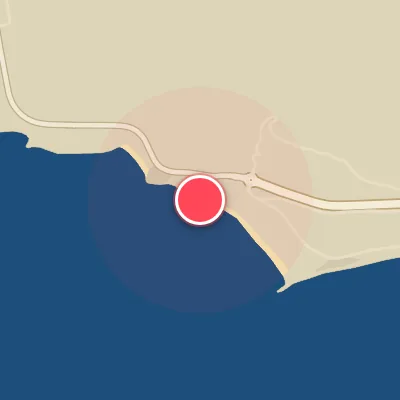
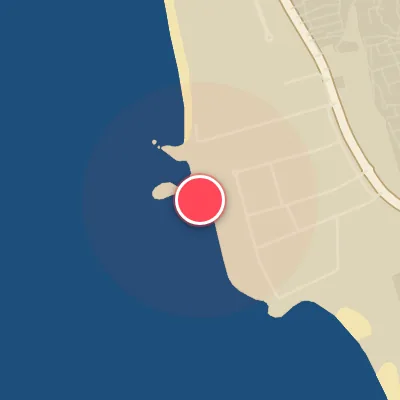
Spot Conditions Map
Hover over the hourly chart columns to update the wind & swell direction overlays on the map.
Today's Surf & Wind Forecast (Hourly)
Loading forecast text...
Spot Overview & Description
Killer Point, or simply 'Killers' as the locals call it, stands as a premier point break in the Taghazout lineup, known for handling the heaviest swells with authority. This is a wave built for seasoned surfers, where the take-off is steep and powerful, and the reward is a long, rippable wall that peels over a shifting mosaic of reef and sand. The wave comes alive under a Northwest swell, handling everything from a modest 1.5 meters (5ft) to a beastly 5.5 meters (18ft) plus. Ideal conditions align with low to high tide and a clean easterly wind, setting the stage for sections that can barrel—though be ready for some lumpy, challenging transitions. The paddle from the rocky, uneven shoreline is a commitment, but that distance is your ticket to quality, especially when you want to dodge the heavier crowds at nearby Anchor Point. Expect a competitive, charged vibe in the water; this is not a beginner’s playground. The currents and exposed rocks demand respect, and the lineup can fill up, especially during peak season. Yet for those willing to earn their waves, Killers often offers a slightly less congested alternative to the region’s more famous spots. The prime window runs from autumn through winter, when the North Atlantic storm track pumps consistent, groundswell energy into this Moroccan gem.
Best Surf Season & Climatology
Best Surf Season (October - March)
The North Atlantic throbs with energy during these months, as powerful extratropical cyclones track across the mid-latitudes, sending long-period groundswells marching towards the Moroccan coast. Average swell heights hover around 2.0-2.2m with periods often exceeding 12 seconds, delivering powerful, well-lined sets that wrap into Killer Point. The percentage of offshore wind days peaks above 50% in December and January, thanks to the strengthening of the African high pressure that funnels clean easterly flow across the Atlas Mountains. This is prime time for overhead barrels and steep walls.
Fair Surf Season (April, May, September)
As the North Atlantic storm track begins to retreat northward in spring and makes a slow return in early autumn, the surf becomes more inconsistent. April sees average heights of 2.0m and periods around 11s, but the trade wind-driven NNW flow starts to dominate, reducing the quality and frequency of glassy sessions. May and September are transitional with smaller swells and shorter periods (9-10s), though occasional pulses from distant storms can still provide fun, rippable waves when the wind aligns from the east.
Low Surf Season (June - August)
Summer at Killer Point is dominated by the Azores High and the Canary Current, driving persistent NNW trades that are onshore and ruinous for surf. Average swell heights drop to 1.6m and periods shrink to 7-8 seconds, producing weak, wind-affected chop. Offshore wind days plummet to 14-22%. While the rare southward shift in the trades or a tropical wave can deliver a clean day, most of the time the ocean is a bumpy mess. This is the season for wind sports, not surfing.
Detailed Surf Information for Killer Point
Detailed Surf Forecast
Access our detailed 8-day swell and wind forecast charts for Killer Point with tidal graphs, period ranges, and daily forecast text summaries.
Swell & Wind Statistics
Explore historical swell consistency, wave heights, and offshore wind windows month-by-month, compiled from over 40 years of data.
Historical Surf Report
Browse the historical database archives to view past wave reports and understand spot climatology during specific years and months.