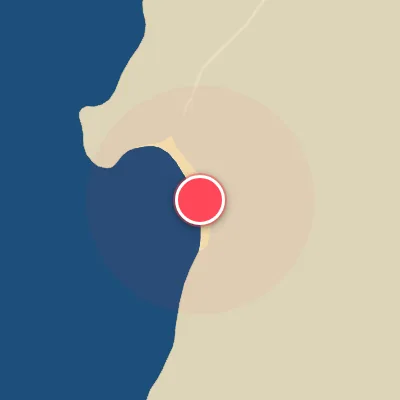
Map
Map
El Faro
Today's Surf Conditions at El Faro
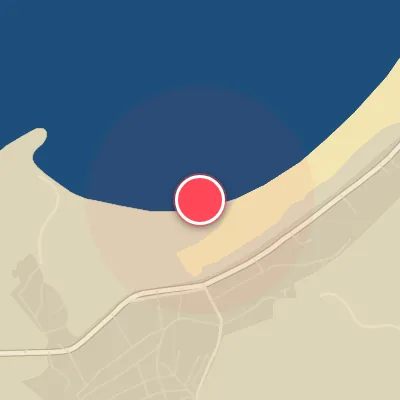
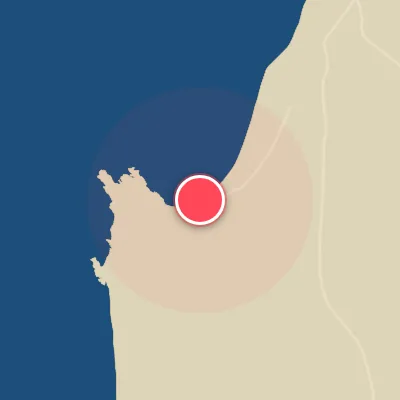
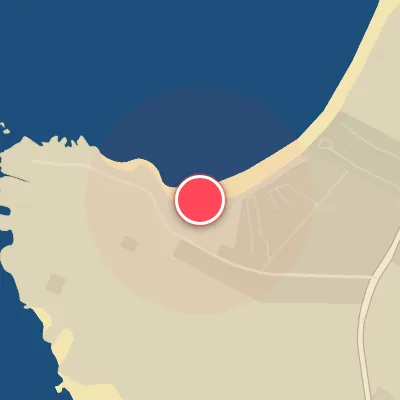
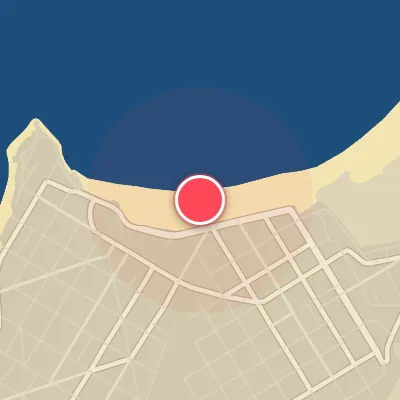
Spot Conditions Map
Hover over the hourly chart columns to update the wind & swell direction overlays on the map.
Today's Surf & Wind Forecast (Hourly)
Loading forecast text...
Spot Overview & Description
El Faro, nestled along the rugged coast of Biobío, Chile, is a raw and uncompromising surf spot that rewards those who earn their waves. Perched near a picturesque cape, this reef break demands respect and is a favorite among seasoned surfers and bodyboarders seeking a challenge. Unlike the crowded lineups of more accessible breaks, El Faro offers solitude and space, allowing you to focus on the task at hand. The setup is unique: a blend of jetties and a protected river mouth sandbank that can produce a range of conditions, giving advanced riders the flexibility to pick their poison. The main attraction here is a fast, left-hand wave that detonates over an uneven, shallow reef. These are not forgiving waves—they are explosive, hollow, and require precise timing and commitment. The ideal swell direction is southwest, though south and west swells also deliver. A modest 2-foot (0.6-meter) swell is enough to get things firing, and the wave handles all tide stages—low, mid, and high—though each brings its own hazards. For the cleanest shape, look for south winds. Beware: shallow rocks, shifting currents, and a powerful point break that can serve up deep barrels make this strictly for experts. If you’ve got the skills and the nerve, El Faro provides a world-class session away from the crowds.
Best Surf Season & Climatology
Best Surf Season (April - August)
The austral winter delivers the most favorable blend of conditions at El Faro, though it remains a challenging spot. During these months, the South Pacific storm track shifts northward, occasionally sending pulses of NW swell toward the Chilean coast. While the predominant swell direction remains from the SW and WSW, which is far from ideal for this NNW-facing beach, the probability of a workable NW component inches up. Offshore winds from the S and SSW are frequent, especially in April when ideal conditions peak at 26% of the time. When a long-period (12-14s) NW swell lines up with clean southerly breezes, El Faro can offer powerful, hollow waves in the 1.5-2.5m range. However, these windows are rare gems amid the prevailing onshore SW swell.
Fair Surf Season (March & September - October)
The shoulder months see a slight drop in both wind consistency and NW swell frequency. In March, ideal wind conditions hover around 18%, while September and October hold at 20%. The dominant swell remains from the SW quadrant, making for mostly messy, wind-affected surf. Yet the transition periods sometimes produce a better balance: lighter winds from the S and SSW can groom the more chaotic SW swell into rideable, albeit not top-tier, waves. Wave heights average 2.6m with periods of 12.8-13.0s, offering raw power but lacking the proper direction. Patience and selective forecasting are key during these months.
Low Surf Season (November - February)
The austral summer is the most difficult time for consistent quality at El Faro. The South Pacific storm track weakens, and long-period swell becomes less frequent. Average wave heights dip slightly to 2.4-2.5m, but direction remains stubbornly from the SW and WSW. The percentage of ideal wind conditions drops to just 13-16%, as northerly and northeasterly breezes become more common, creating onshore chop. NW swell is virtually nonexistent. Surfers will find mostly lumpy, weak waves in the 0.5-1.5m range with short periods, fit only for groveling. Only the rare, deep low pressure system tracking far south can deliver a brief pulse of power, but even then the swell direction is likely to be unfavorable. This is the season to explore other spots or wait for winter.
Detailed Surf Information for El Faro
Detailed Surf Forecast
Access our detailed 8-day swell and wind forecast charts for El Faro with tidal graphs, period ranges, and daily forecast text summaries.
Swell & Wind Statistics
Explore historical swell consistency, wave heights, and offshore wind windows month-by-month, compiled from over 40 years of data.
Historical Surf Report
Browse the historical database archives to view past wave reports and understand spot climatology during specific years and months.