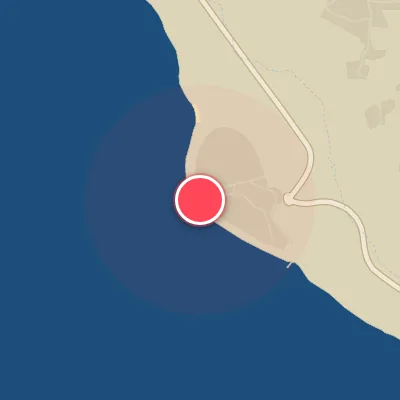
Map
Map
Faja da Areia
Today's Surf Conditions at Faja da Areia
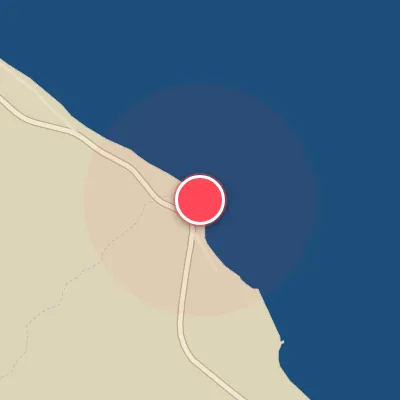
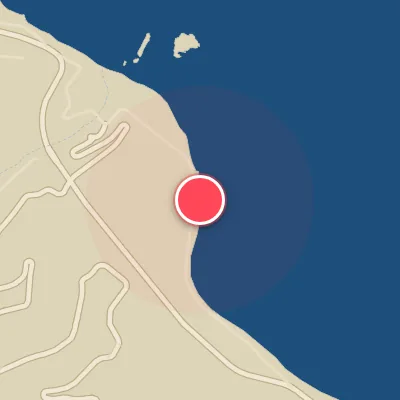
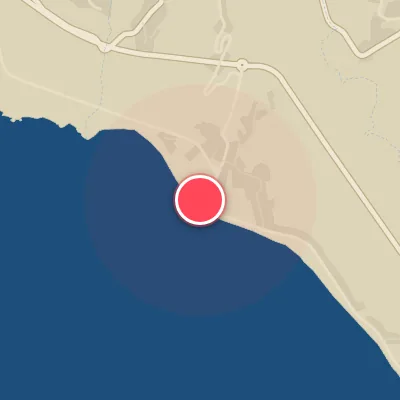
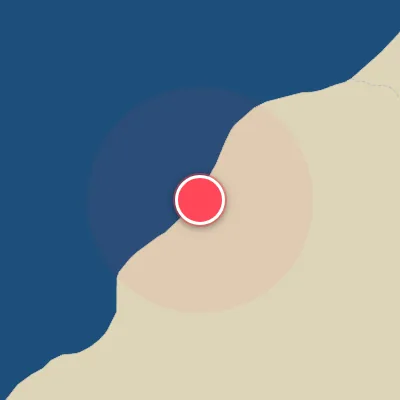
Spot Conditions Map
Hover over the hourly chart columns to update the wind & swell direction overlays on the map.
Today's Surf & Wind Forecast (Hourly)
Loading forecast text...
Spot Overview & Description
Fajã da Areia, known to locals as Chickens, is a reef break peeling over a rock ledge that dishes out both lefts and rights. It's one of the more consistently surfed waves on the island, thanks in large part to its relatively forgiving danger level compared to neighboring slabs. On small to medium north swells, the wave sets up with a hollow bowl at the peak before unfolding into racetrack walls perfect for performance surfing. The potential is still there for serious quality, but a breakwater has thrown a wrench into the lineup's consistency—it takes just the right day for Chickens to truly cluck.
Best Surf Season & Climatology
Best Surf Season (October - March)
The North Atlantic delivers its full fury during these months, with the jet stream driving potent extratropical storms across the Atlantic basin. As a result, Faja da Areia sees long-period groundswells from the NW, NW, and NNW directions, which wrap perfectly into this NNW-facing beach. Average swell heights range from 2.0m in October to a peak of 2.6m in January, with wave periods consistently above 11 seconds, often reaching 12-13s. This is prime time for powerful, pitching waves. Offshore winds from the south to southwest quadrant (S, SSW, SW, WSW) blow across the beach, grooming the faces for clean, hollow rides. The percentage of ideal wind conditions climbs from 28% in October to 43% in December, making for frequent, high-quality sessions. When the NAO index flips negative, expect blocking highs to steer storms closer to Portugal, amplifying the swell window.
Fair Surf Season (April & September)
During the transitional months of April and September, the Atlantic power begins to wane but still offers rideable waves. Average swell heights drop to 2.1m in April and 1.6m in September, with periods around 10-11s. The dominant swell directions shift more northward (N, NNE, NNW) compared to winter, which still hit the beach well, though with less consistency. Wind patterns become a mixed bag – ideal offshore winds from the south occur roughly 15-18% of the time, but you’ll also see increasing north wind days that bring onshore chop. These months require patience and flexibility; pick your windows when a low pressure swings through the Bay of Biscay or a final summer thunderstorm kicks up a solid NW swell.
Low Surf Season (May - August)
Summer settles in and the Atlantic’s storm track shifts north, leaving Faja da Areia with small, weak swell from the north and northeast quadrants. Average heights hover between 1.4m and 1.7m, with short periods of 8.5-10s that produce weak, mushy waves. Worse, the prevailing winds turn onshore from the north and northeast, ruining the surface. Ideal offshore wind percentages drop to a dismal 2-12%, meaning you’ll be battling bumpy, choppy conditions most days. Occasional pulses from distant NW groundswells or local sea breezes can offer a few fun-sized waves early morning, but overall this is the off-season. Unless you’re a log or a foil, plan your trip elsewhere or wait for a rare hurricane swell in late August.
Detailed Surf Information for Faja da Areia
Detailed Surf Forecast
Access our detailed 8-day swell and wind forecast charts for Faja da Areia with tidal graphs, period ranges, and daily forecast text summaries.
Swell & Wind Statistics
Explore historical swell consistency, wave heights, and offshore wind windows month-by-month, compiled from over 40 years of data.
Historical Surf Report
Browse the historical database archives to view past wave reports and understand spot climatology during specific years and months.