Map
Map
Honky's
Today's Surf Conditions at Honky's
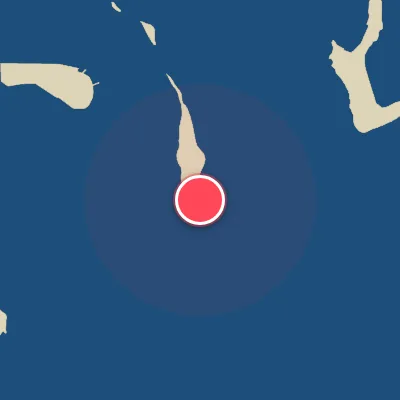
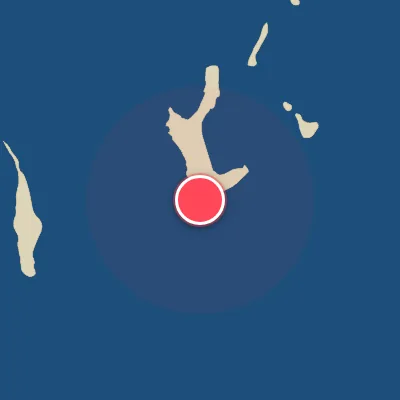
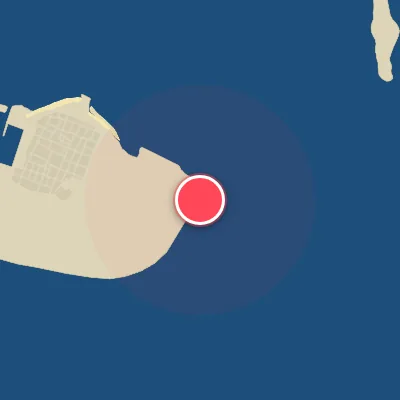
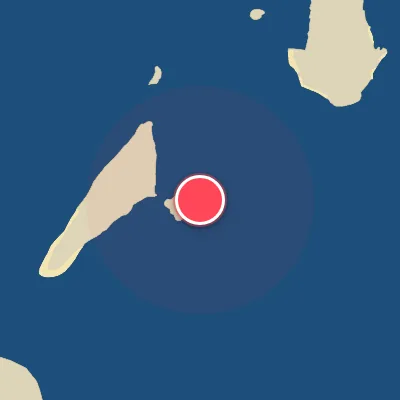
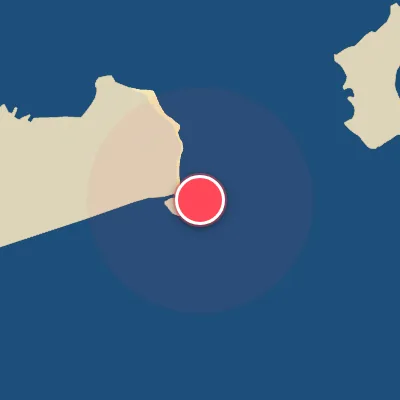
Spot Conditions Map
Hover over the hourly chart columns to update the wind & swell direction overlays on the map.
Today's Surf & Wind Forecast (Hourly)
Loading forecast text...
Spot Overview & Description
Honky’s is a classic Maldivian reef break tucked just off Thamburudhoo Island—a zone that remains under military control, so your journey begins with a traditional dhoni ride across crystalline waters. This setup dishes up both right and left waves, offering a versatile canvas for those looking to carve. It truly shines during the northeast winter monsoon, when steady trade winds groom a consistent, punchy swell that draws experienced surfers hungry for action. The wave breaks over a sharp reef and is most responsive to southeast swell, though it can handle a southerly component as well. What Honky’s lacks in length, it makes up for in intensity—short, hollow barrels that detonate with authority, especially when the tide drops to low or mid. As the swell pushes past 1 foot (0.3 meters), the inside section known as Fred’s Ledge lights up, offering thrilling, high-speed drops. The wave holds across all tide stages, from low to high, so timing is flexible. That said, this is no beginner’s playground; intermediate surfers who are comfortable navigating shallow reef setups will find the most reward here. The preferred wind is northeast, which polishes the ocean surface into near-glossy perfection. The outside wall often forms a clean, inviting face that sets up solid runs before the inside gets tight and feisty. When the conditions align—and the swell has that southeast kick—Honky’s delivers a memorable, adrenaline-fueled session in a uniquely remote setting.
Best Surf Season & Climatology
Best Surf Season (April - October)
The heart of the south swell window aligns with the southwest monsoon, bringing consistent, medium to long-period waves to Honky's. From April through October, the Indian Ocean churns out groundswell from the south and southwest, delivering average heights of 0.8-1.2m and periods that peak in the 8-9 second range. This is when the reef comes alive, especially when the predominant onshore trades relax and allow offshore winds from the north and northwest to groom the surface. The most reliable swell months are June through September, but the highest quality often emerges in April and August due to more frequent offshore wind windows. Expect fun to pumping waves when conditions align.
Fair Surf Season (March & November)
These transitional months offer a mixed bag. March sees the last of the northeast monsoon’s east-swells fading while the first south pulses arrive, with improving wind statistics (55% ideal in March). Wave heights are smaller (0.7-0.9m) but often clean. November experiences the opposite shift, with the southwest monsoon retreating and the northeast monsoon building. Wind conditions are favorable (50% ideal), but swell direction rotates back to east-southeast, reducing wave quality. Still, these shoulder months can produce fun, uncrowded sessions when a strong south swell coincides with offshore winds.
Low Surf Season (December - February)
The northeast monsoon dominates December through February, pushing wind and swell from the east-northeast. Honky's, facing southeast, receives inconsistent, short-period waves (6.7-6.9s) with average heights around 1.0m, often coming from an unfavorable direction (ENE). Wind conditions are largely onshore from the northeast, with ideal wind percentages between 29-41%. While the odd northwesterly breeze can clean things up, the overall combination of poor swell direction, short period, and frequent onshore winds makes this the least rewarding time for surfers. Expect small, choppy, and mostly unrideable conditions.
Detailed Surf Information for Honky's
Detailed Surf Forecast
Access our detailed 8-day swell and wind forecast charts for Honky's with tidal graphs, period ranges, and daily forecast text summaries.
Swell & Wind Statistics
Explore historical swell consistency, wave heights, and offshore wind windows month-by-month, compiled from over 40 years of data.
Historical Surf Report
Browse the historical database archives to view past wave reports and understand spot climatology during specific years and months.