
Today's Surf Conditions at Rossnowlagh
Spot Overview & Description
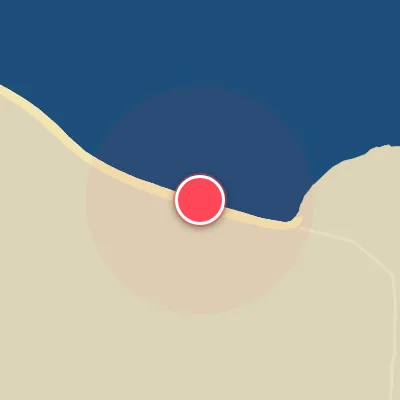
Nestled deep within the sweeping embrace of Donegal Bay, Rossnowlagh unfurls its sandy carpet for over three kilometers, offering a gentle, forgiving introduction to Atlantic surf. The vibe here is blissfully laid-back—more beach day than battle zone—making it a perennial favorite for families, beginners, and anyone craving a mellow session in the salt. Parking is easy in the main town lot; while you can park on the beach, it's best avoided when the tide starts to push in. The waves here are softer and less punchy than those at neighboring breaks, which is exactly the point. Expect clean, rolling peaks that stand up nicely at mid to high tide, offering fun lefts and rights that peel across a sandy, user-friendly bottom. Wave heights typically range from knee to head high (0.5 to 2.1 meters), with the most consistent shape forming around the south end near the cliffs, where the rip can channel you into a sweet takeoff zone. The magic happens with southwesterly to northwesterly swells—west is optimal—and the break can handle anything from about 4 to 7 feet (1.2 to 2.1 meters). Whether you're on a longboard, funboard, fish, or shortboard, you'll find something to ride any season: summer, autumn, winter, or spring. On sunny weekends, the beach can get busy, but the crowd is well spread out along the long shoreline, so it rarely feels cramped. The atmosphere remains friendly and happy-go-lucky, perfect for kids and beginners finding their footing. Just keep one eye on the horizon and the other on the sand—weeverfish hide in the shallows, and the rip currents near the southern cliffs demand respect. A classic, low-key Irish gem that rewards patience with pure, uncomplicated fun.
Best Surf Season & Climatology
Best Surf Season (October - March)
Rossnowlagh is fundamentally an exposed west-facing Atlantic beach, which means the best surfing happens when the North Atlantic storm track aims low-pressure systems at Ireland. From October through March, average swell heights sit in the 4-6ft (1.2-1.8m) range and the average period climbs to 11-13s, producing the long-period western groundswell that this beach is known for. The swell rose in these months is overwhelmingly dominated by W and WNW directions, with WSW and NW also well represented. The catch is that the same synoptic setup that sends those swells often drags SW to W winds across the coast, and onshore flow is Rossnowlagh's biggest enemy. The best sessions come in the wake of cold fronts, when high pressure builds over the British Isles or Scandinavia and winds turn offshore from the E/ESE or NE/ENE. Under those conditions the lines clean right up and the beach shows its true quality. A positive NAO phase tends to enhance the winter storm conveyor belt, while negative NAO blocks can leave the Atlantic temporarily quiet and glassy.
Detailed Surf Information for Rossnowlagh
Detailed Surf Forecast
Access our detailed 8-day swell and wind forecast charts for Rossnowlagh with tidal graphs, period ranges, and daily forecast text summaries.
Swell & Wind Statistics
Explore historical swell consistency, wave heights, and offshore wind windows month-by-month, compiled from over 40 years of data.
Historical Surf Report
Browse the historical database archives to view past wave reports and understand spot climatology during specific years and months.