Map
Map
Itapeva
Today's Surf Conditions at Itapeva
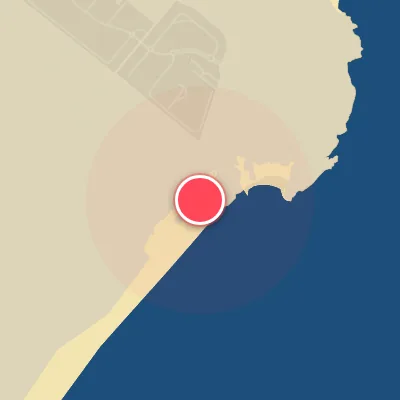
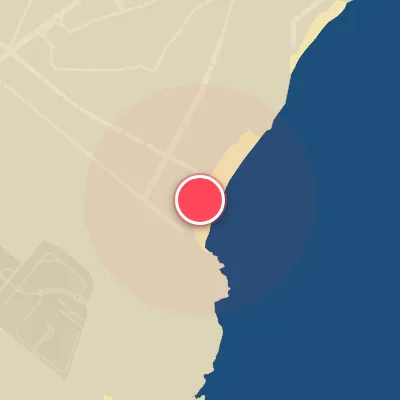
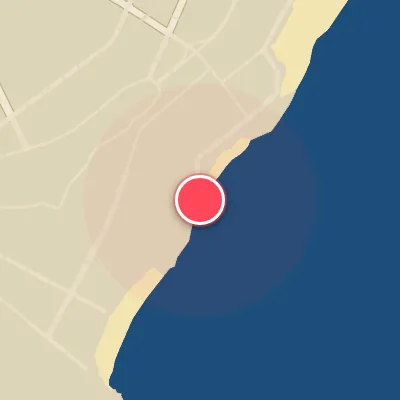
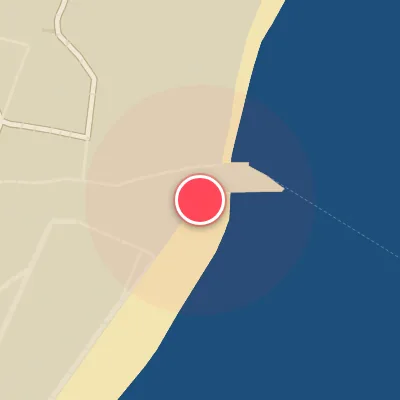
Spot Conditions Map
Hover over the hourly chart columns to update the wind & swell direction overlays on the map.
Today's Surf & Wind Forecast (Hourly)
Loading forecast text...
Spot Overview & Description
Itapeva unfolds along a wide, open stretch of coastline, delivering a quiet, uncrowded alternative to the busier breaks nearby. The vibe is laid-back and mellow, making it an ideal setting for surfers seeking a relaxed session. Early mornings often present the best conditions, especially when smaller, peaky swells roll in—a forgiving canvas for beginners to find their rhythm. The spot fires best on an east swell, handling waves around two feet (0.6 meters) with ease. It’s a classic beach break, offering both left and right peelers that suit all levels. Optimal conditions align with a northwest wind, and the break works across low, mid, and high tides, giving you flexibility to paddle out whenever the mood strikes. For beginners, it’s a solid choice: forgiving, fun, and absent the intensity of more challenging zones. A defining feature is the tongue of rock that juts into the sea. While it doesn’t dramatically improve the wave quality, it adds a subtle layer of variety to the lineup. Overall, Itapeva is a dependable playground for developing surfers, where the focus stays on catching waves and building skills without the hassle of crowds.
Best Surf Season & Climatology
Best Surf Season (May - July)
The heart of the austral autumn and early winter brings the most reliable offshore wind window to Itapeva. With ideal wind percentages climbing to 37-40% and average swell heights hovering around 1.6-1.7m, these months offer the highest probability of clean, lined-up waves. The South Atlantic cranks up its storm activity, sending long-period groundswells from the S to SSE quadrant that wrap nicely into the coast. When the wind aligns from the W, WNW, or NW, the conditions are truly firing and the lineup pulses with punchy, rideable waves.
Fair Surf Season (March - April & August - September)
Shoulder months provide a mixed bag – decent swell potential but with a higher chance of onshore trades spoiling the surface. March and April still see average swell heights of 1.5 and 1.6m and periods rising from 8.8 to 9.1s, but ideal wind drops to 28-31%. August and September boast the largest average swell of the year (1.7-1.8m), yet the offshore wind window narrows to 30 and 20% respectively. You’ll find good days when the synoptic pattern sets up a west-flowing land breeze, but be ready to sift through more bumpy days.
Low Surf Season (October - February)
The austral spring and summer months see the trade wind regime dominate, with persistent NE to E winds blowing onshore across the beach. Ideal wind percentages plummet to 16-29% and the swell energy, though still present (average 1.4-1.7m), is predominantly from the E to ESE – often short-period and bumpy under the fetching breezes. Occasional cold fronts can deliver brief windows of offshore flow and longer-period S/SSW swells, but consistency is low. The best chance for a glassy session comes during early-morning land breezes or strong high-pressure setups. For the committed surfer, patience is key.
Detailed Surf Information for Itapeva
Detailed Surf Forecast
Access our detailed 8-day swell and wind forecast charts for Itapeva with tidal graphs, period ranges, and daily forecast text summaries.
Swell & Wind Statistics
Explore historical swell consistency, wave heights, and offshore wind windows month-by-month, compiled from over 40 years of data.
Historical Surf Report
Browse the historical database archives to view past wave reports and understand spot climatology during specific years and months.