Map
Map
Lafitenia
Today's Surf Conditions at Lafitenia
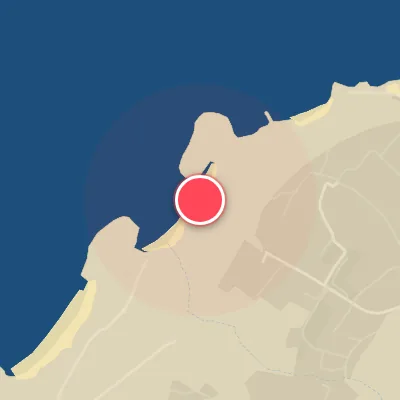
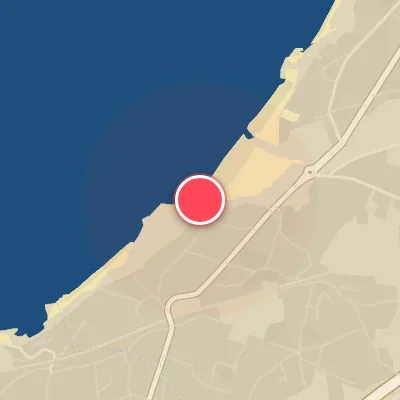
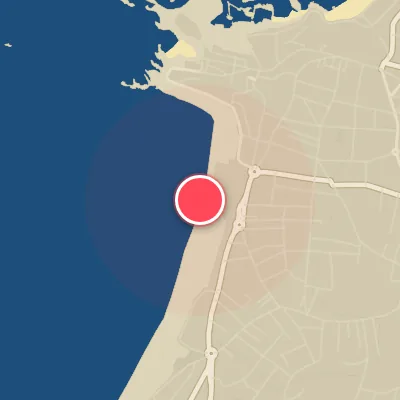
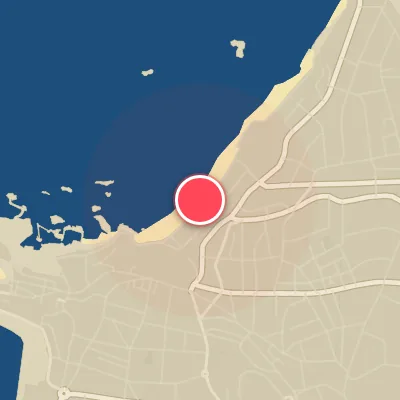
Spot Conditions Map
Hover over the hourly chart columns to update the wind & swell direction overlays on the map.
Today's Surf & Wind Forecast (Hourly)
Loading forecast text...
Spot Overview & Description
Lafitenia is a classic right-hand point break tucked into a sheltered bay along southwest France’s rugged Basque coastline. This wave peels over a mix of uneven reef and sand, demanding a steep, punchy take-off that gives way to a long, racetrack wall. Look for the occasional hollow section on the inside before the shorebreak closes things out in dramatic fashion. When conditions align, the wave can reel for up to 250 yards, with a more west in the swell helping to stretch the wall clean across the bay. As the swell swings northwest and packs more size, the take-off zone shifts and turns heavy, rewarding those with the nerve to paddle deep. Best on a pushing mid to high tide, with offshore east to southeast winds, Lafitenia is a high-performance playground for intermediate to advanced surfers looking to carve up a classic French point.
Best Surf Season & Climatology
Best Surf Season (October - March)
The North Atlantic delivers its finest to Lafitenia during these months. As the jet stream strengthens and low-pressure systems barrel across the Atlantic, the Basque coast gets pounded by consistent, long-period groundswells from the WNW to NW corridor. Average wave heights hover around the 1.6m to 1.8m mark with periods often pushing into the 12-13 second range — that's the kind of powerful, lined-up swell that makes the points and beachbreaks at Lafitenia absolutely stack. The wind is also cooperating more frequently, blowing from the SSO to O quadrant (offshore) roughly 35-38% of the time, especially when high pressure builds over the Iberian Peninsula and sets up a classic pressure gradient. When everything aligns, you get crisp, offshore groomed waves that jack up over the sandbars and reel down the coast.
Fair Surf Season (April - May & September)
Spring and early autumn bring a transition in the North Atlantic. The Azores High starts to migrate northward, squashing the storm track and reducing swell energy. In April and September, average swell heights drop to around 1.1-1.2m with periods hovering in the 10-11 second range — still punchy and rideable, but less consistent and powerful than winter. The wind becomes a bit more tricky too: ideal offshore conditions occur only 26-27% of the time, as the sea breeze cycle competes with synoptic patterns. However, the occasional late-season low can deliver a solid WNW swell with nice texture. May sees a further drop to 1.0m and 10s, but the waves that do show up often hold their shape under morning offshore flow. It's fun-sized, groveling territory for a groveler, but there are definitely clean, rippable windows.
Low Surf Season (June - August)
Summer is the quietest time at Lafitenia. The North Atlantic storm track retreats far to the north, and the dominant swell source shifts to distant, low-energy NW pulses generated by weak fronts or the remnants of tropical systems. Average wave heights sit at just 0.9m and periods dip to 9 seconds, meaning mostly choppy, short-period swell that struggles to stand up. The wind is the real killer: offshore flow from the SSO/O quadrant only occurs 14-18% of the time. Instead, the prevailing Northerly and NW winds blow directly onshore, ruining what little wave quality there is. You might catch small, cleanish waves during a morning low tide if a weak thermal low sets up inland, but the overall picture is micro conditions — better saved for a longboard or a session spent soaking up the sun. Even then, when an exceptionally strong storm in the North Atlantic sends a long-period swell, you can get pumping waves at Lafitenia in summer, but such events are rare and short-lived.
Detailed Surf Information for Lafitenia
Detailed Surf Forecast
Access our detailed 8-day swell and wind forecast charts for Lafitenia with tidal graphs, period ranges, and daily forecast text summaries.
Swell & Wind Statistics
Explore historical swell consistency, wave heights, and offshore wind windows month-by-month, compiled from over 40 years of data.
Historical Surf Report
Browse the historical database archives to view past wave reports and understand spot climatology during specific years and months.