Map
Map
La Graviere
Today's Surf Conditions at La Graviere
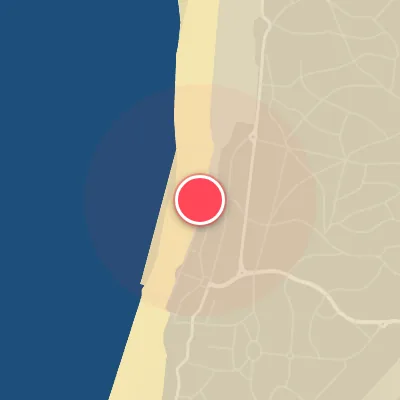
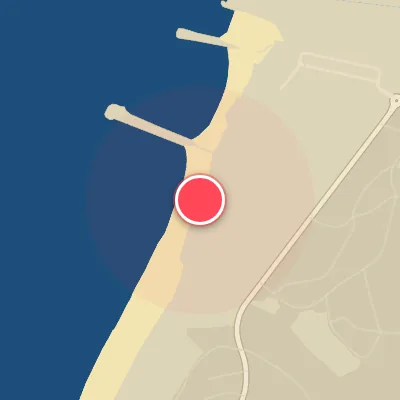
Spot Conditions Map
Hover over the hourly chart columns to update the wind & swell direction overlays on the map.
Today's Surf & Wind Forecast (Hourly)
Loading forecast text...
Spot Overview & Description
La Gravière is the legendary cornerstone of Hossegor’s world-class sandbar system, forged over the site of an old gravel pit that gives the break its name. When the swell pours in, this high-performance arena unloads powerful, thick-lipped lefts and rights in a shallow, unforgiving trough just yards from the beach. The wave can pitch into a heavy, drain-like barrel, but it often walls up and closes out, making every wave a high-stakes gamble. This is the same slab that hosted the 2011 Quik Pro in beastly, overhead-to-double-overhead conditions, earning its reputation as a proving ground for the world’s best. Though it can appear choppy and white-capped further out, the energy often finds a second life, re-forming over a succession of shallow inside sandbars—creating a double-dip of potential rides but also a high risk of catastrophic snaps. Boards here break with a vengeance, and only the bold—or the broken—walk away with a story.
Best Surf Season & Climatology
Best Surf Season (October - March)
The North Atlantic delivers its full fury during these months, with average swell heights hovering between 1.3m and 1.8m and periods often stretching into the 11-13 second range. This is prime time for La Graviere, as the dominant WNW-to-NW groundswells align perfectly with the beach's westerly exposure. A strong negative NAO phase often locks in a persistent Azores High, funnelling cold fronts and long-period energy into the Bay of Biscay. When these systems pass, the wind frequently clocks from the east to southeast, offering clean, offshore conditions that groom the waves into powerful, hollow lines. With ideal wind percentages climbing above 30% and up to 38% in December and February, this is when the spot truly comes alive.
Fair Surf Season (April & September)
April and September represent transitional windows where the swell machine begins to slow or stir. In April, average heights drop to 1.2m with periods around 11s, but the remaining WNW fetch can still produce punchy, rideable waves. September sees a rebound from the summer lull, with heights averaging 1.1m and periods of 10.6s, as the first autumn lows start to organize. Ideal wind conditions occur roughly 26-29% of the time, often thanks to high-pressure systems settling over central Europe, generating light offshore breezes. While not as consistent or powerful as peak season, these months offer plenty of fun-sized surf with fewer crowds.
Low Surf Season (May - August)
From May through August, La Graviere goes into a summertime slumber. Average swell heights bottom out around 0.9m and periods shrink to 9-10 seconds, typical of weaker, more local windswell. The dominant swell direction shifts even more toward the NW, but the lack of strong low-pressure systems in the North Atlantic means most waves are weak and disorganized. Onshore westerly winds become the norm, with ideal offshore flow occurring only 17-22% of the time. The region often falls under the influence of a strong Azores High, bringing light breezes but also flat spells. Occasional tropical storms or distant hurricanes can send rare pulses of longer-period swell, but for the most part, this is a season for groveling on small days or exploring other activities.
Detailed Surf Information for La Graviere
Detailed Surf Forecast
Access our detailed 8-day swell and wind forecast charts for La Graviere with tidal graphs, period ranges, and daily forecast text summaries.
Swell & Wind Statistics
Explore historical swell consistency, wave heights, and offshore wind windows month-by-month, compiled from over 40 years of data.
Historical Surf Report
Browse the historical database archives to view past wave reports and understand spot climatology during specific years and months.