Map
Map
La Ticla
Today's Surf Conditions at La Ticla
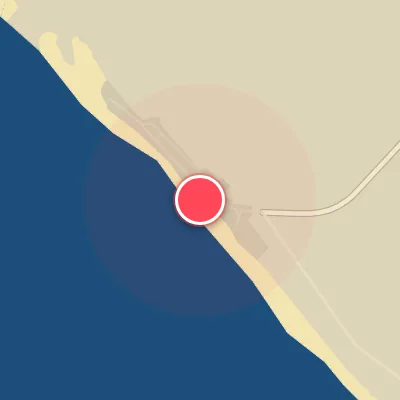
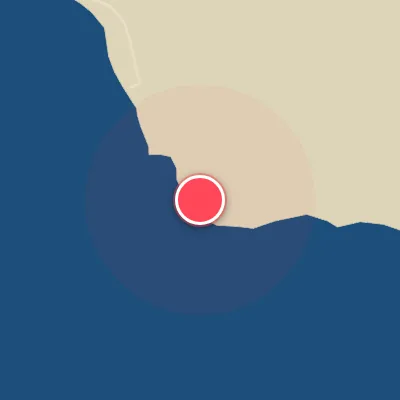
Spot Conditions Map
Hover over the hourly chart columns to update the wind & swell direction overlays on the map.
Today's Surf & Wind Forecast (Hourly)
Loading forecast text...
Spot Overview & Description
La Ticla unfurls along the Pacific coast of Mexico, a sprawling, scenic point-and-beach hybrid that’s impossible to miss from the Mex 200 highway. Its reliable pulse draws a steady mix of local chargers and traveling surfers, especially during the prime window from spring through fall. The Ostula River mouth adds a dynamic, shifting element to the sand-and-boulder bottom, shaping consistent A-frame peaks that peel left and right with surprising length. Best on S and SW swells, La Ticla fires up with long, feathering walls and the occasional barrel. Swell sizes range from 4 to 12 feet, catering to intermediate surfers who can snag solid lefts on a W-NW swell or work the rights off the main peak. The northeast wind is your friend here, grooming the faces cleanly. While all tides can produce, low to mid tide typically offers the most shape and frequency, reducing the rock and urchin hazards that lurk in the lineup. Crowds can stack up during peak season—March to November—but the wave’s generous length and multiple peaks let you escape the pack by walking north or south. After heavy rains, be wary of sudden water quality changes and shifting sandbars. La Ticla welcomes shortboarders, longboarders, fish, and bodyboarders alike, serving up fun, rippable surf in a tropical setting that’s hard to beat.
Best Surf Season & Climatology
Best Surf Season (July – February)
This eight-month window delivers La Ticla's most consistent and high-quality surf. The North Pacific tropical activity in summer and fall feeds the beach with long-period SSW-to-W swell, while a dominant high-pressure ridge over the continent drives reliable offshore winds from the NNW-to-W quadrant. The result is clean, powerful waves averaging 1.3–1.5m with a period staying above 13s. September and October stand out with ideal wind percentages exceeding 60% and slightly larger swell, making them the crown jewels of the year.
Fair Surf Season (March – April)
As the northern winter storm track weakens, the frequency of offshore wind drops into the 44–50% range, but the swell quality remains high. March and April still see ample SSW-to-W swell, with the average height peaking at 1.3–1.4m and periods of 14s. The waves remain hollow and rippable, but you’ll need to pick your windows more carefully as the afternoon sea breeze picks up. This is a good shoulder season for less crowded lineups.
Low Surf Season (May – June)
Late spring and early summer are the leanest months at La Ticla. The trade winds shift and weaken, reducing the ideal wind occurrence to just 37–40%. Although the swell is still present—dominated by SSW and S directions—the average height remains at 1.4m, and periods are long. However, frequent onshore winds (from the SW and W) mess up the wave face, leading to choppy and less organized conditions. Surfable days exist but require patient forecasting. This is a great time for a proper tow rig if you can score the rare day with offshore flow.
Detailed Surf Information for La Ticla
Detailed Surf Forecast
Access our detailed 8-day swell and wind forecast charts for La Ticla with tidal graphs, period ranges, and daily forecast text summaries.
Swell & Wind Statistics
Explore historical swell consistency, wave heights, and offshore wind windows month-by-month, compiled from over 40 years of data.
Historical Surf Report
Browse the historical database archives to view past wave reports and understand spot climatology during specific years and months.