Map
Map
Manasquan Inlet
Today's Surf Conditions at Manasquan Inlet
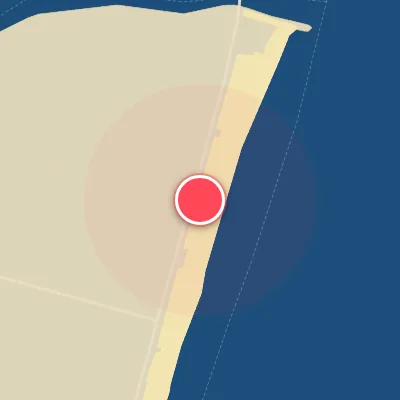
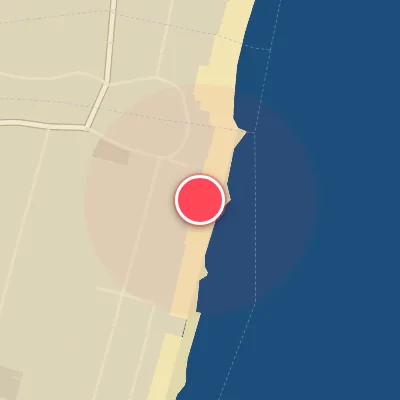
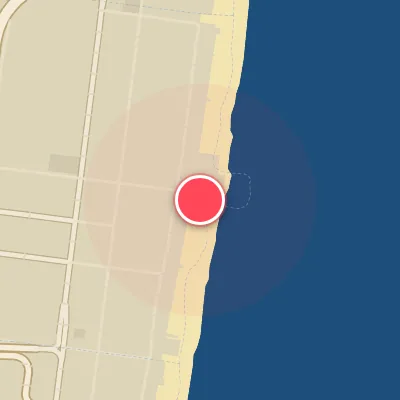
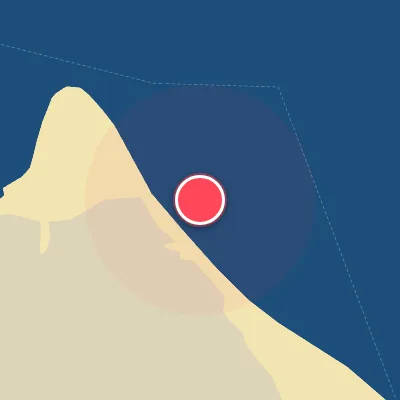
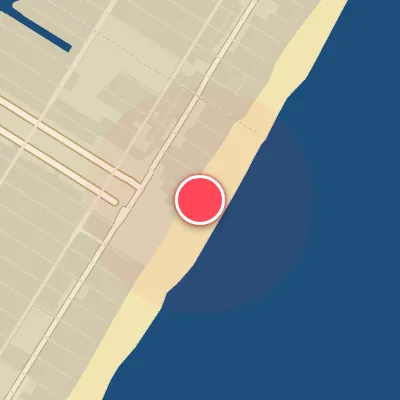
Spot Conditions Map
Hover over the hourly chart columns to update the wind & swell direction overlays on the map.
Today's Surf & Wind Forecast (Hourly)
Loading forecast text...
Spot Overview & Description
Manasquan Inlet stands as an iconic fixture on the East Coast, a jetty-framed wave factory that channels ocean energy into a wedge of steep, fast-moving rights. The takeoff zone hugs the rock line, where a shifting sand bottom shapes each pulse into a hollow, critical wall—a ride that demands commitment and rewards precision. While the primary offering is a punchy right that peels with authority, the inlet occasionally dishes out a quality left when the alignment favors it, adding a subtle twist to the session.
Best Surf Season & Climatology
Best Surf Season (November - February)
The heart of winter delivers the most consistent swell energy to Manasquan Inlet. With average wave heights holding steady at 1.3m and periods ranging from 6.9 to 7.2 seconds, the combination of powerful extratropical lows spinning up the North Atlantic and a climatological uptick in west to northwest wind events creates frequent windows of clean, punchy surf. The jet stream digs deep, steering storms along a favorable track that pumps in long-period groundswell from the WNW through SW quadrants. When the wind clocks around to offshore from the W or NW, the lines stack up beautifully at the inlet – offering rippable, sometimes heavy waves in the 1-1.5m range. Offshore wind percentages hover around 31-32%, meaning patience and a keen eye on the forecast are required, but the payoff is well worth it.
Fair Surf Season (March, April, September, October)
Spring and early fall act as transitional periods where the surf is still very much alive, but consistency takes a hit. March sees the tail end of winter storm activity, with average swell heights of 1.3m and a slight bump in period to 7.5s, yet ideal wind percentages drop to 27% as the atmosphere becomes more volatile. April brings a dip in swell height to 1.2m and a shift toward more easterly and southerly swell directions due to weakening lows and the onset of springtime high-pressure systems. September and October benefit from the early-season ramp-up of Atlantic storm activity, with the average period climbing to 7.7-8.3s – a signal that tropical systems and early Nor’easters are injecting longer-period energy into the water. However, the wind is fickle, blowing onshore from the east a fair bit. Still, when the right combination emerges – a hurricane swell from the ESE meeting a light NW breeze – the inlet can absolutely light up with glassy, plus-size waves.
Low Surf Season (May - August)
The summer doldrums settle over the Jersey Shore from May through August. Average wave heights tumble to 0.8-1.0m, and the predominant swell direction shifts to the SSE and S (30-50% of all swell) – a poor angle for the east-facing inlet. Most of the energy comes from weak, distant trades or local sea breeze pulses, resulting in short-period (6.9-7.5s), often bumpy and inconsistent conditions. The good news is that ideal wind percentages skyrocket to 44-49% as the thermal gradient favors light westerlies and northwesterlies in the afternoon. So while you’ll have plenty of clean, glassy mornings, the waves are typically small (0.5-1m) and grovelly. Dedicated longboarders and funboard riders can find fun little peaks, but the inlet rarely sees anything over 1.5m during these months unless a stray tropical system drifts close enough to kick up a pulse of easterly swell.
Detailed Surf Information for Manasquan Inlet
Detailed Surf Forecast
Access our detailed 8-day swell and wind forecast charts for Manasquan Inlet with tidal graphs, period ranges, and daily forecast text summaries.
Swell & Wind Statistics
Explore historical swell consistency, wave heights, and offshore wind windows month-by-month, compiled from over 40 years of data.
Historical Surf Report
Browse the historical database archives to view past wave reports and understand spot climatology during specific years and months.