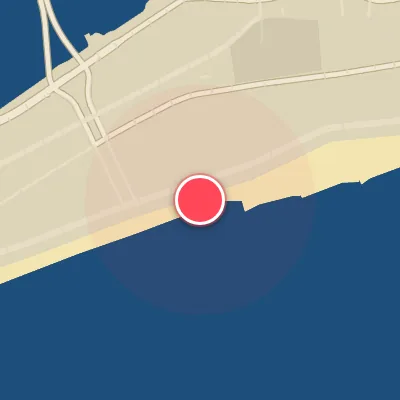
Map
Map
8th Street Jetty
Today's Surf Conditions at 8th Street Jetty
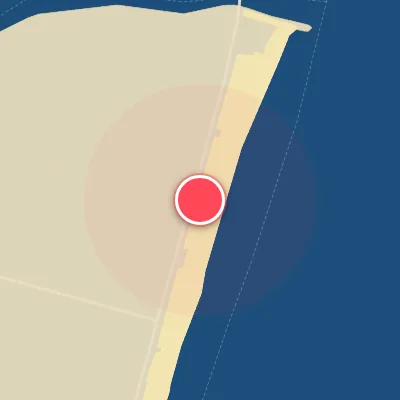
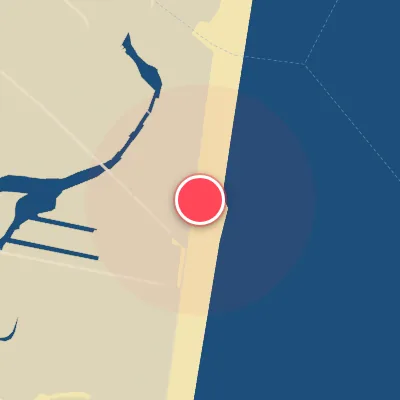
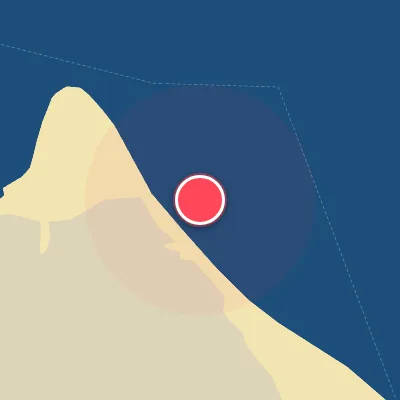
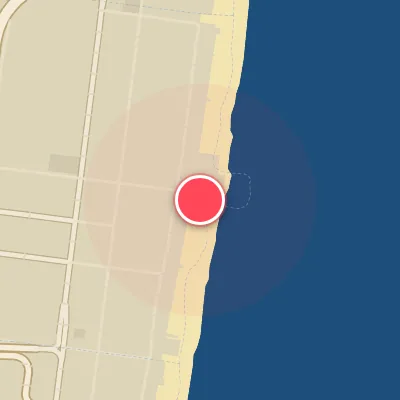
Spot Conditions Map
Hover over the hourly chart columns to update the wind & swell direction overlays on the map.
Today's Surf & Wind Forecast (Hourly)
Loading forecast text...
Best Surf Season & Climatology
Best Surf Season (September - November)
As summer transitions to autumn, the North Atlantic begins to spin up more potent extratropical storms, and their long-period swell trains start marching toward the East Coast. September stands out as the month with the highest average period (8.3s) and a solid 1.1m average height, driven by a climatological peak in optimal swell directions from the east through southeast. Wind conditions are also favorable, with 40% ideal offshore flow from the west-northwest through southwest. October and November maintain this momentum, offering a compelling blend of size, period, and direction that consistently puts 8th Street Jetty in the firing line for clean, rippable waves.
Fair Surf Season (December - February & April - May)
The heart of winter (December through February) delivers the largest average swell heights (1.3m) and periods hovering around 7 seconds, thanks to powerful low-pressure systems tracking across the North Atlantic. However, the wind machine is less cooperative—offshore flow from the west-northwest and northwesterly quadrants occurs only 37-39% of the time, and a significant portion of the swell arrives from less-than-optimal southerly and southwesterly directions, degrading wave quality with onshore crumble. Spring (April and May) sees a drop in average swell height to 1.0-1.2m, but the wind becomes more reliable (37% ideal in May) and swell directions shift toward the more favorable eastern quadrants, making for cleaner, more playful conditions on a good day.
Low Surf Season (June - August & March)
During the summer months, the jet stream retreats northward, and the Atlantic storm track weakens significantly. Average swell heights bottom out at 0.8-0.9m with short periods around 7 seconds. While the wind is at its cleanest (45-50% offshore flow from the west-southwest through northwest), the vast majority of the swell is comprised of small, short-period windswell from the southeast and south—directions that are largely onshore and often lead to mushy, weak waves. March is a transitional month with average size (1.3m) but the lowest wind quality of the year (32% ideal) and a swell mix that leans too heavily toward the south and east, rarely aligning with the perfect offshore breeze needed for 8th Street Jetty to fire.
Detailed Surf Information for 8th Street Jetty
Detailed Surf Forecast
Access our detailed 8-day swell and wind forecast charts for 8th Street Jetty with tidal graphs, period ranges, and daily forecast text summaries.
Swell & Wind Statistics
Explore historical swell consistency, wave heights, and offshore wind windows month-by-month, compiled from over 40 years of data.
Historical Surf Report
Browse the historical database archives to view past wave reports and understand spot climatology during specific years and months.