Map
Map
Moshi Moshi
Today's Surf Conditions at Moshi Moshi
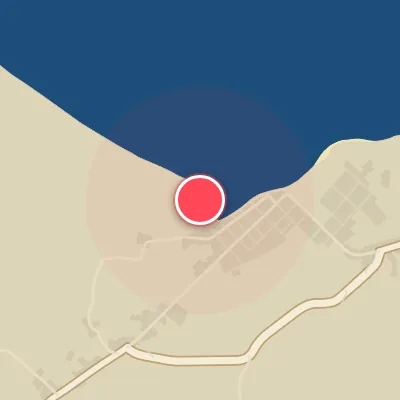
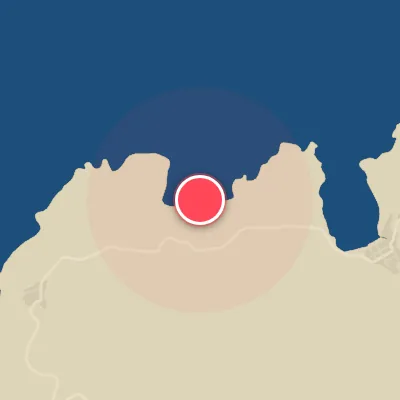
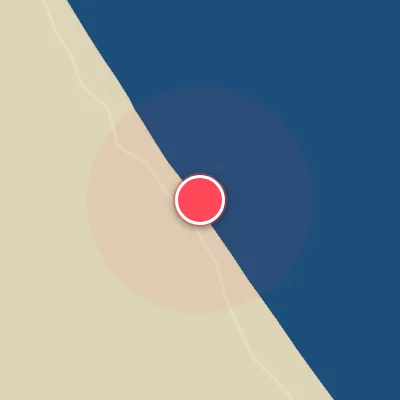
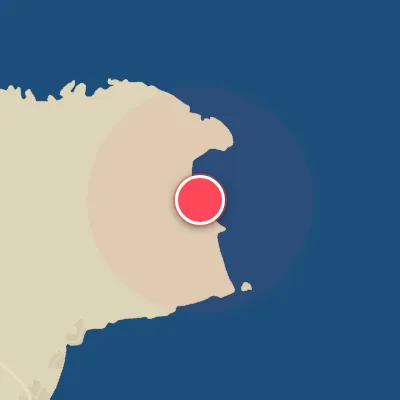
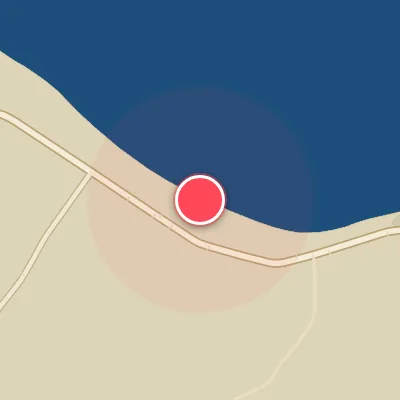
Spot Conditions Map
Hover over the hourly chart columns to update the wind & swell direction overlays on the map.
Today's Surf & Wind Forecast (Hourly)
Loading forecast text...
Spot Overview & Description
Moshi Moshi earns its reputation as a rivermouth peak that delivers the most consistent surf in the area—a magnet for those seeking a break from the ordinary. The take-off zone is guarded by large rocks that demand respect, especially at low tide when the hazards are exposed, adding a technical edge to every wave. Expect a blend of longer, carving rights and shorter, punchier lefts that keep the ride dynamic. Optimal conditions arrive with a Northeast swell, with the spot waking up at 2 feet (0.6 meters) and building from there. The wave breaks over a boulder-strewn bottom, which can make for an unforgiving landing if you take a tumble. For the cleanest shape, look for a Southeast wind—anything offshore will groom the peaks nicely. Moshi Moshi performs across the tide range, from low to high, though the rocky bottom becomes most treacherous on the lower end. The crowd factor is real here, particularly when the swell is pumping, so timing your session around peak hours is key to dodging the pack. The spot caters to a range of skill levels, but newcomers should respect the shifting currents and the jagged seafloor. Keep local surf etiquette front of mind—this peak is shared, and a little patience goes a long way. Whether you’re hunting the longer rights or the snappier lefts, Moshi Moshi offers a consistently engaging, if demanding, experience.
Best Surf Season & Climatology
Best Surf Season (November - March)
The NE monsoon delivers a pulse of energy, but unfortunately from a largely unfavourable direction. Swell originates from the NE to ENE, which is partially blocked or produces weak, refracted waves at Moshi Moshi's NNW exposure. Average wave heights hover around 1.0-1.3m with periods of 9-10s, offering some rideable but often weak, lined-up sets. Offshore wind windows are limited as the predominant NE trades are onshore, but occasional S to SW shifts can clean things up, especially early mornings. This period delivers the most consistent swell, even if quality is often compromised.
Fair Surf Season (April - May)
The transition between monsoons brings a significant increase in offshore wind potential from the S to SW quadrant. Wind ideal percentages climb to 69-73%, meaning many days with light to moderate offshore breezes. Swell drops to 0.7-0.9m on average, with periods around 9s. The dominant ENE swell becomes smaller and weaker, but the cleaner conditions can make even small waves more fun. This is the go-to window for glassy, small-wave sessions.
Low Surf Season (June - October)
The SW monsoon dominates, with winds predominantly from the S to W, which are offshore for Moshi Moshi. However, swell energy plummets to an average of 0.5-0.7m. The fetch is limited and swell periods are short (8-10s). While the wind is often offshore, the complete lack of significant swell means mostly flat or micro conditions. Brief windows of opportunity occur when a typhoon or tropical storm in the South China Sea sends longer-period WNW to NW swell, but these events are rare and unpredictable. For the most part, it's a time for rest and travel.
Detailed Surf Information for Moshi Moshi
Detailed Surf Forecast
Access our detailed 8-day swell and wind forecast charts for Moshi Moshi with tidal graphs, period ranges, and daily forecast text summaries.
Swell & Wind Statistics
Explore historical swell consistency, wave heights, and offshore wind windows month-by-month, compiled from over 40 years of data.
Historical Surf Report
Browse the historical database archives to view past wave reports and understand spot climatology during specific years and months.