Map
Map
Nahoon Reef
Today's Surf Conditions at Nahoon Reef
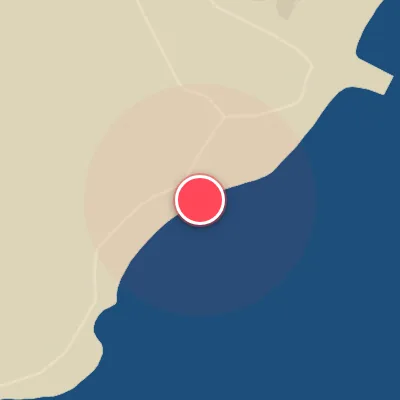
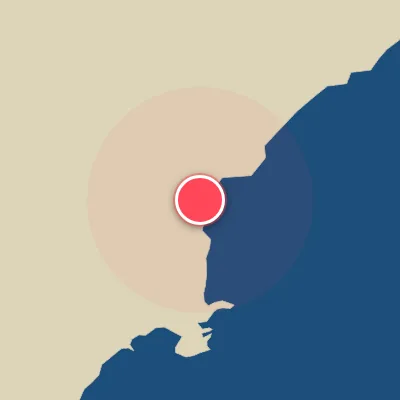
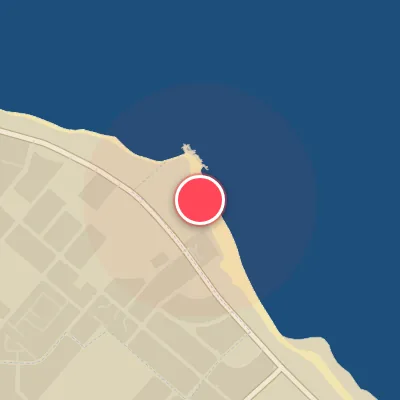
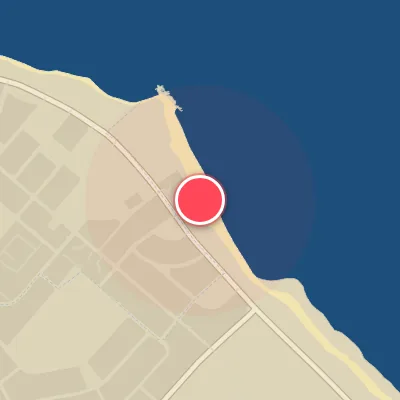
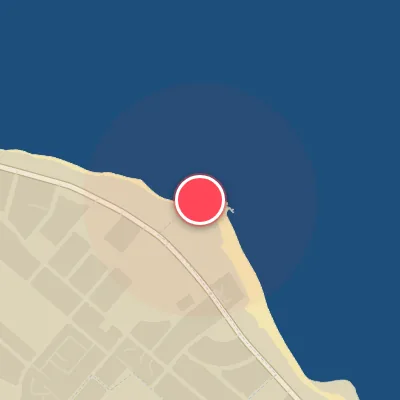
Spot Conditions Map
Hover over the hourly chart columns to update the wind & swell direction overlays on the map.
Today's Surf & Wind Forecast (Hourly)
Loading forecast text...
Spot Overview & Description
Nahoon Reef is the crown jewel of East London’s surf scene—a storied right point break that draws dedicated wave riders from across the globe. It’s a spot of contrasts: the bottom shifts between boulders and sand, shaping a spectrum of wave faces from mellow lines to powerful, pitching bowls. A concrete path leads you out over the reef, sparing feet from urchin-laden rocks and simplifying the paddle out. This wave comes alive when the right energy lines up. It’s primed on a solid south swell, with northeast and southwest pulses also delivering quality rides. Wave heights range from a playful 2 feet to well overhead, especially on the outside section simply called "Reef"—where steep drops and hollow, bowl-like sections challenge even seasoned experts. For a slightly mellower option, the inside "Corner" welcomes east swells and west winds, offering cleaner, less rippy waves without the full-bore intensity. Tide matters here: lower to mid stages generally produce the best shape and connection. As the current strengthens, the lineup can thin out—a mixed blessing given the ever-present shark activity. In fact, a packed lineup often feels safer; the added crowd seems to break up predators’ focus. Make no mistake, this is expert territory—expect a competitive, skilled crew ready to share a wave that’s as demanding as it is rewarding.
Best Surf Season & Climatology
Best Surf Season (May - August)
As winter grips the southern Indian Ocean, the South African coastline comes alive. During these months, the Antarctic storm track shifts northward, spinning up a relentless series of low-pressure systems that send long-period groundswells marching toward the Eastern Cape. At Nahoon Reef, this is prime time. Average swell heights hover around 2.1m and periods stretch to 12 seconds, delivering powerful, rippable waves with plenty of punch. The wind pattern also aligns – offshore flow from the west and northwest becomes more frequent, with ideal conditions blowing 43-49% of the time. This is when the reef truly fires, offering clean, high-performance surf from morning until the seabreeze kicks in.
Fair Surf Season (March - April & September - October)
The transitional months bring a mixed bag. Swell heights remain respectable, averaging 2.0-2.1m, but the periods drop slightly to 11-11.2s, still providing good, solid surf. The wind becomes less reliable – ideal conditions occur only 26-30% of the time during these months. In March and April, the lingering summer pattern battles with early winter swells, creating frequent onshore easterlies that can chop up the lineup. September and October see the opposite: winter's grip loosens, and occasional spring lows deliver excellent swell windows, though the wind often shifts to unfavourable directions. Catch the clean days, and you'll be rewarded with fun, hollow waves at Nahoon.
Low Surf Season (November - February)
Summer in the Eastern Cape means smaller swells and persistent onshore winds. From November through February, the average swell height drops to 1.8m, and periods shorten to around 10.2s – still rideable, but less powerful. The real issue is the wind: offshore flow from the west/northwest occurs less than 18% of the time, while strong, humid easterlies dominate, ruining the wave quality. This is the time for smaller boards and early morning sessions before the seabreeze ruins it. While the occasional tropical low or distant storm can send a pulse of groundswell, consistency is low. Don't expect pumping sets – instead, focus on the mellow, fun-sized days that slip through the cracks.
Detailed Surf Information for Nahoon Reef
Detailed Surf Forecast
Access our detailed 8-day swell and wind forecast charts for Nahoon Reef with tidal graphs, period ranges, and daily forecast text summaries.
Swell & Wind Statistics
Explore historical swell consistency, wave heights, and offshore wind windows month-by-month, compiled from over 40 years of data.
Historical Surf Report
Browse the historical database archives to view past wave reports and understand spot climatology during specific years and months.