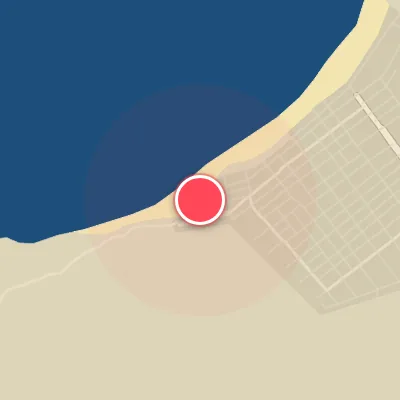
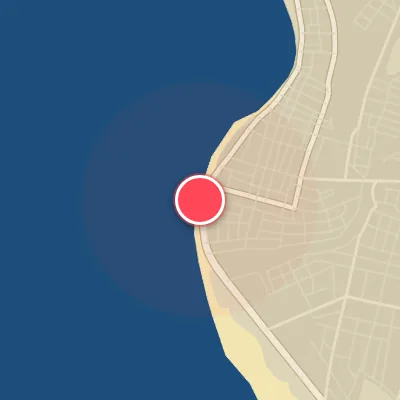
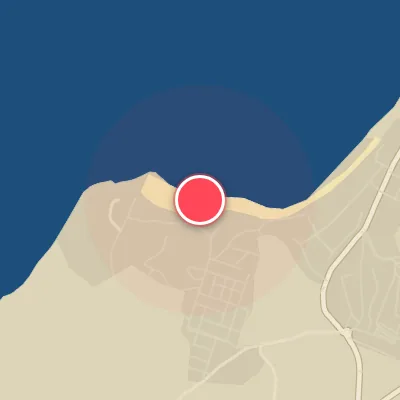
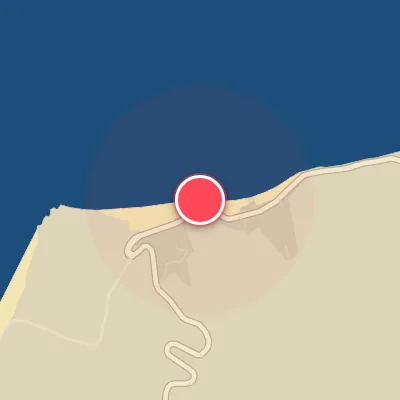
Map
Map
Pacasmayo
Today's Surf Conditions at Pacasmayo
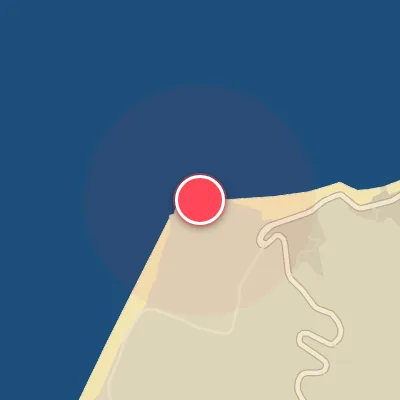
Spot Conditions Map
Hover over the hourly chart columns to update the wind & swell direction overlays on the map.
Today's Surf & Wind Forecast (Hourly)
Loading forecast text...
Spot Overview & Description
Pacasmayo sits just north of legendary Chicama in Peru’s La Libertad region, offering a distinct and captivating left-hand point break that handles a wide range of swell sizes. When conditions align, this spot delivers long, racing lefthanders that draw surfers seeking an experience beyond the ordinary. The vibe is relaxed and welcoming, making it a solid choice for both locals and traveling wave hunters. Prime season runs from April through September, when the combination of swell and wind consistently comes together. The magic happens on south to southwest swells, with Pacasmayo handling everything from 2-foot dribblers up to a hefty 10 feet. Waves wrap off the rocky point and unload over a mixed sand-and-rock bottom, offering a fast, sometimes critical drop that mellows into a slightly fatter wall as you track into the bay. Low to mid tides are your window for the best shape, and optimal wind comes out of the northeast—often glassy in the morning before afternoon cross-shore breezes kick in. The wave size can range from shoulder-high to triple overhead on a good day, rewarding intermediate surfers who can handle the paddle and read the shifting sections. Just know that this wave demands some work. A strong northward current can make the paddle out a grind when it’s firing, and many surfers choose to paddle back up the point rather than walk the rock-and-urchin-lined shoreline. Those same afternoon cross-shore winds have also made Pacasmayo a growing kite-surfing destination, offering an arm-saving alternative to the long paddle. The wave count is reliable and the overall quality is high, which means crowds can be a factor—especially when word gets out about the long, peeling lefts that make this spot a Peruvian gem.
Best Surf Season & Climatology
Best Surf Season (April - September)
The Southern Hemisphere winter drives the most consistent and powerful swell trains from the South Pacific. During these months, a persistent stream of long-period SSW groundswell interacts with the Peruvian coastline, delivering average wave heights of 1.2 to 1.3 metres. The predominant offshore flow from the south and southeast keeps the surface glassy and lined up, making for rippable, fun-sized waves. While the swell direction isn't perfectly aligned with the WNW-facing beach, the combination of ample energy and clean conditions creates the most reliable surf of the year.
Fair Surf Season (March & October - November)
The transition months see a slight drop in average swell height to around 1.1 metres, but the window for quality remains wide. March benefits from lingering summer consistency, while October and November enjoy a resurgence of wind ideal for surfing as the trade winds relax. These months offer a solid mix of clean, manageable surf without the crowds of peak season.
Low Surf Season (December - February)
The austral summer brings the smallest average waves of the year, hovering around 1.0 metre. Despite the decrease in size, the wind remains favourably offshore over 75% of the time, so smaller board days and groveling sessions are on the menu. A SSW swell of moderate energy still arrives, keeping the ocean alive even if the stands are more mellow.
Detailed Surf Information for Pacasmayo
Detailed Surf Forecast
Access our detailed 8-day swell and wind forecast charts for Pacasmayo with tidal graphs, period ranges, and daily forecast text summaries.
Swell & Wind Statistics
Explore historical swell consistency, wave heights, and offshore wind windows month-by-month, compiled from over 40 years of data.
Historical Surf Report
Browse the historical database archives to view past wave reports and understand spot climatology during specific years and months.