Map
Map
Pigsty
Today's Surf Conditions at Pigsty
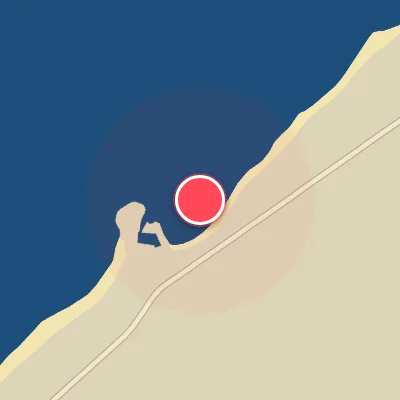
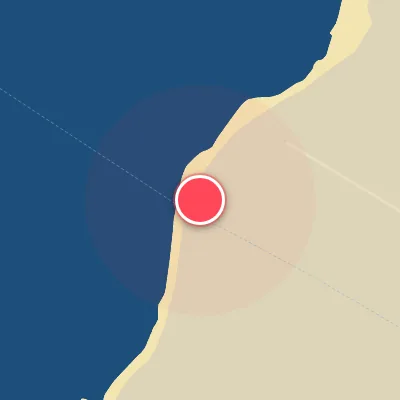
Spot Conditions Map
Hover over the hourly chart columns to update the wind & swell direction overlays on the map.
Today's Surf & Wind Forecast (Hourly)
Loading forecast text...
Spot Overview & Description
Pigsty, also known as Piggy, occupies a niche in the Jaeren region as one of the few surf spots here that can serve up a session worth paddling out for. While it draws a steady crowd, especially when winter swells roll in, the quality can be inconsistent—some days it delivers, other days it’s distinctly average. If you’re looking to avoid the more celebrated breaks and still snag a wave, Pigsty is a convenient alternative, but don’t expect a secret lineup; it gets busy fast. The break is most active on a Northwest swell, handling waves around 1 meter (3 feet) with ease. The sea floor consists of boulders, producing primarily right-hand waves that can offer barrel sections when conditions align, though lefts do appear as well. Optimal conditions call for East winds, and the wave works across all tides—low, mid, and high. This is an intermediate-level spot; beginners should think twice before charging in. For accommodations, Bore Strand Camping is just a five-minute drive away, making it a practical base for multiple sessions. Keep in mind, though, that a significant surfing ban is in effect due to bird protection regulations. Respect this rule—the penalties are severe and strictly enforced, so stay informed to avoid fines or legal trouble. Enjoy the waves, but surf responsibly.
Best Surf Season & Climatology
Best Surf Season (October - March)
The North Atlantic roars to life during these months as the polar jet stream strengthens and deepens, dragging a conveyor belt of powerful extratropical cyclones across the Norwegian Sea. Average swell heights climb from 1.3m in October to a peak of 1.6m in January, with periods regularly pushing into the 8-9s range. The dominant swell directions – WSW, W, WNW, and NW – align perfectly with Pigsty's west-northwest exposure, delivering consistent, groomed lines. Offshore winds from the east-northeast through southeast quadrant (ONO, O, OSO, SO) occur in the wake of passing lows, often under clearing skies. Despite a relatively low ideal wind frequency (11-15%), the combination of ample swell and occasional clean windows makes this the prime window for Pigsty's pumping, heavy, and firing waves.
Fair Surf Season (April & September)
April and September represent transitional months where the clash of spring and autumn patterns yields mixed results. In April, the average swell drops to 0.9m with a period of 7.5s as the storm track weakens. However, a high percentage of swell still arrives from the optimal W-NW directions (over 50%), offering fun-sized, rippable waves on the better days. September sees a slight uptick to 1.0m and 7.1s, with the first autumn lows beginning to rekindle the Atlantic. Ideal wind frequency hovers around 9-12%, meaning patience and a keen eye on the forecast are required to catch the windows when light offshore flow aligns with solid, long-period swell.
Low Surf Season (May - August)
From May through August, Pigsty enters a deep slumber. The North Atlantic high-pressure system dominates, suppressing storm activity and delivering average swell heights of just 0.7-0.8m and periods below 7s. The majority of swell arrives from the NW and W, but at small, groveling sizes (mostly under 1.5m). Onshore winds from the west and northwest are prevalent due to thermal gradients, and ideal offshore winds become scarce (only 6% frequency in June, July, and August). While the occasional WNW groundswell might sneak in, the combination of weak, short-period swell and unfavorable wind makes this period largely one for longboarders or travelers seeking more consistent waves elsewhere.
Detailed Surf Information for Pigsty
Detailed Surf Forecast
Access our detailed 8-day swell and wind forecast charts for Pigsty with tidal graphs, period ranges, and daily forecast text summaries.
Swell & Wind Statistics
Explore historical swell consistency, wave heights, and offshore wind windows month-by-month, compiled from over 40 years of data.
Historical Surf Report
Browse the historical database archives to view past wave reports and understand spot climatology during specific years and months.