Map
Map
Sele
Today's Surf Conditions at Sele
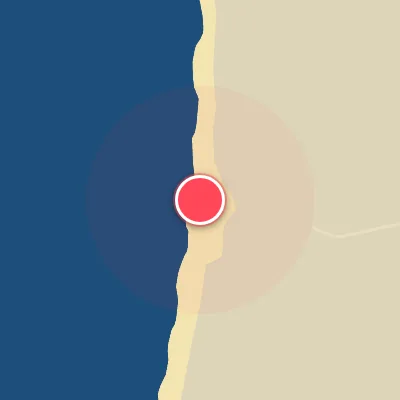
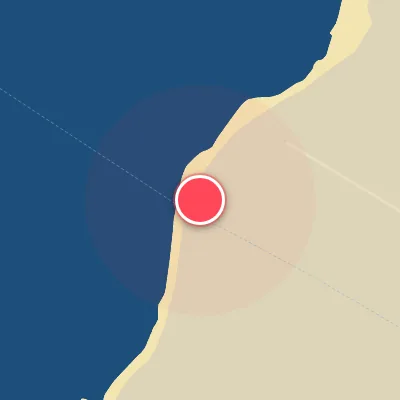
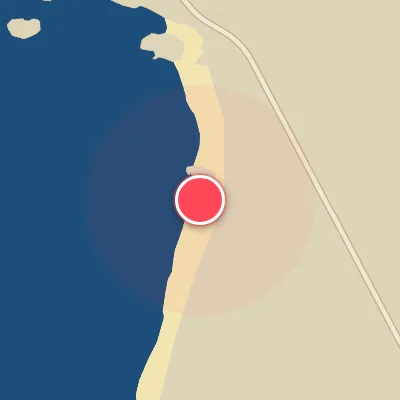
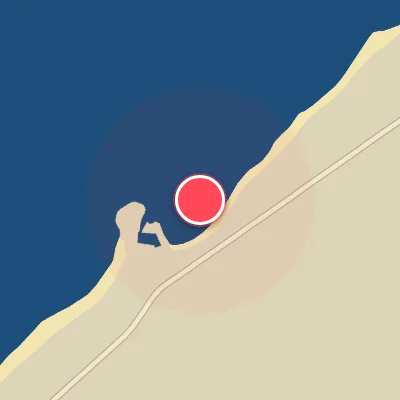
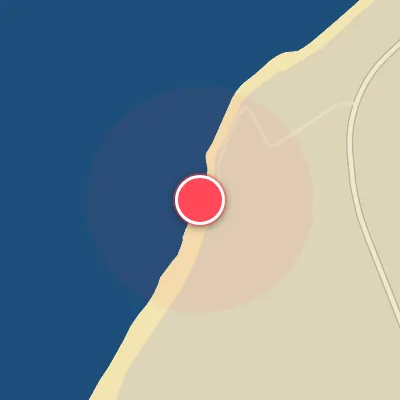
Spot Conditions Map
Hover over the hourly chart columns to update the wind & swell direction overlays on the map.
Today's Surf & Wind Forecast (Hourly)
Loading forecast text...
Spot Overview & Description
Nestled at the northern flank of Bore Beach, Sele is a classic point break where an eclectic mix of river-worn boulders and a shifting sand bottom conspire to shape long, forgiving right-handers. This spot has earned a reputation as a go-to proving ground for beginners and intermediate surfers alike, and even on lackluster days, the lineup hums with a steady crowd of foam-board regulars and improving shortboarders. The waves here are easygoing for the most part—fun, mellow, and often short, but when a southwest swell pushes in (or even a northwest pulse), the pace quickens, offering snappier rides and occasional punch. Surprisingly responsive, Sele starts to peel at just one foot, making it a reliable option when other spots are flat. Its forgiving nature extends to the tide cycle: low, mid, or high all deliver rideable waves, though a northeast wind is your best friend for glassy surfaces. While the rocky-boulder mix can provide subtle variety along the takeoff, be prepared to share the lineup—Sele’s gentle learning curve ensures a constant buzz of surfers chasing those clean, shoulder-high runners.
Best Surf Season & Climatology
Best Surf Season (October - March)
The North Atlantic flexes its muscles during these months, with the Icelandic Low and a vigorous polar front driving a steady succession of powerful extratropical cyclones across the Norwegian Sea. Average swell heights consistently exceed 1.2m and periods climb into the 8-second range, delivering punchy, well-defined lines that make the most of Sele's west-southwest orientation. Offshore winds from the NE to ESE quadrant occur roughly 14% of the time, often associated with high pressure ridges building in from Scandinavia. When these conditions align, Sele lights up with clean, peeling waves in the 1-2.5m range. The peak months of December, January, and February see the most consistent size, while November and March offer a slightly mellower but still high-quality session. Long-period groundswells (10-14s) from the W and WNW are the bread and butter here, wrapping efficiently into the bay.
Fair Surf Season (April & September)
As the seasons transition, the synoptic pattern becomes less aggressive. April sees a drop in average swell height to 0.9m and period to 7.5s, with the wind blowing offshore only 12% of the time. The dominant swell direction shifts subtly, with more energy from the NW and WNW, but these directions can be blocked by local headlands. September marks the return of autumn storms, with average swell height climbing back to 1.0m and period to 7.1s, but offshore wind frequency is still low at 9%. Both months offer windows of fun, rippable surf when a favourable wind coincides with a decent W or WSW groundswell. Expect more inconsistent conditions than peak winter, but the potential for a glassy session exists.
Low Surf Season (May - August)
The summer months bring a marked lull in surf energy. The North Atlantic storm track retreats northward, leaving the Norwegian coast under the influence of weak pressure gradients and frequent high-pressure systems. Average swell heights hover around 0.7-0.8m and periods drop to 6-6.8s, producing mostly small, wind-swell or short-period slop. The chance of offshore wind plummets to a mere 5-7%, with prevailing winds shifting to a frustrating S to SW pattern that puts a chop on any incoming swell. On top of that, the dominant swell directions (NW, WNW) are less optimal for Sele, often creating weak, closeout waves. While the occasional low-latitude storm can send a longer-period swell, the odds are stacked against quality surf. This is the season for a micro-grovel or a longboard if you can find a clean bump – but don't expect firing waves.
Detailed Surf Information for Sele
Detailed Surf Forecast
Access our detailed 8-day swell and wind forecast charts for Sele with tidal graphs, period ranges, and daily forecast text summaries.
Swell & Wind Statistics
Explore historical swell consistency, wave heights, and offshore wind windows month-by-month, compiled from over 40 years of data.
Historical Surf Report
Browse the historical database archives to view past wave reports and understand spot climatology during specific years and months.