Map
Map
Playa El Rey
Today's Surf Conditions at Playa El Rey
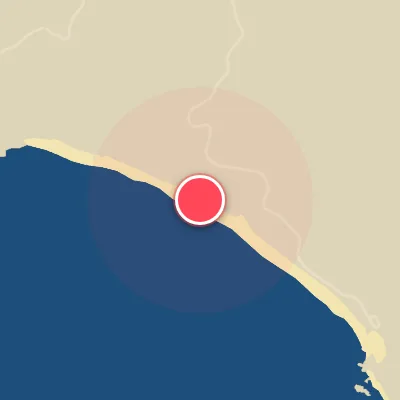
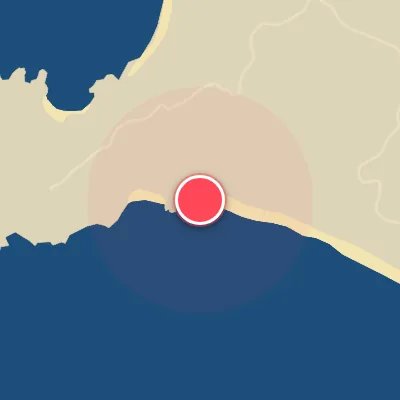
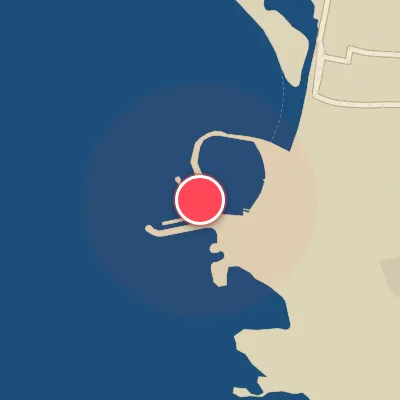
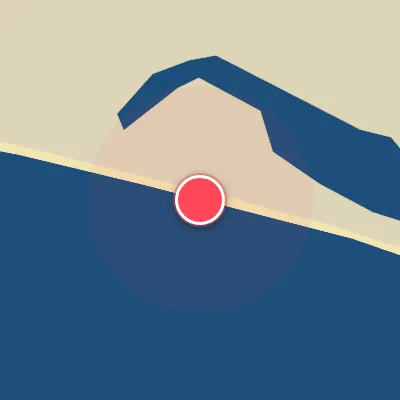
Spot Conditions Map
Hover over the hourly chart columns to update the wind & swell direction overlays on the map.
Today's Surf & Wind Forecast (Hourly)
Loading forecast text...
Spot Overview & Description
Playa El Rey sits roughly 11 kilometers (7 miles) from Roncador, offering a sense of seclusion that's rare along this stretch of Costa Rican coast. This expansive, sandy beach delivers fair to good wave quality, with the best action typically clustering near the Rio Naranjo rivermouth. Though consistency can be fickle, when the conditions align, El Rey consistently pumps out waves bigger than its neighboring spots. You'll find crowds are generally light, with local surfers from Quepos and Manuel Antonio making the trip when it's on. The reef and sand bottom setup here handles swells from the South or West, beginning at a modest 2 feet (0.6 meters). Expect both left and right peaks, breaking cleanly over sand—ideal for a range of abilities. Beginners will find it welcoming across low, mid, and high tides, but the magic happens when a north wind blows, grooming the faces into shape. Just keep an eye on the size: on bigger days, the waves can close out, turning that promising peak into a wall of whitewater. If you're planning to camp, come fully self-sufficient—amenities are virtually nonexistent. The trade-off is a peaceful, low-key atmosphere where the mellow local scene keeps vibes high and stress low. Perfect for those who want to score uncrowded waves and soak in the raw, untamed beauty of Costa Rica's Pacific coast.
Best Surf Season & Climatology
Best Surf Season (December - March)
The North Pacific high flexes its muscles from December through March, driving a steady stream of offshore N to NNE winds down the coast. This is when Playa El Rey truly shines. Swell energy, while averaging just 1.0 to 1.1 meters, comes with a long-period punch – 12 to 13.5 seconds – from the SSW and SW. The combination of offshore glass and clean, lined-up waves makes for some of the most rippable surf of the year. Think fun-sized to solid 1-1.5m sets with the occasional 1.5m+ pulse when a stronger Southern Hemisphere storm sneaks through. Early mornings are your window.
Fair Surf Season (June - October)
As the Northern Hemisphere heats up, the ITCZ marches north and the Southern Hemisphere roars to life. From June through October, average swell heights climb to 1.3-1.4 meters with periods still in the 13-second range – powerful, long-period southern energy. The catch: the same storm systems that generate the swell also shift the wind belt, increasing the prevalence of onshore SW and S flow. Ideal wind percentages hover around 20-28%, making those windows of offshore N winds (often early mornings) precious. When the synoptic puzzle aligns, you get firing 1.5-2.5m days with heavy, clean walls. But be prepared to pick your sessions.
Low Surf Season (April - May and November)
April and May represent a transition between the two main swell windows. The wind patterns become more variable, with the percentage of favorable offshore winds dropping to 20-22%. Swell heights bump up to 1.2-1.3m and periods stretch to 14 seconds – plenty of juice – but consistent clean conditions become harder to find. November is the trickiest month: only 16% ideal wind and the average swell dips back to 1.2m with a period around 12.4 seconds. The trade-off is that when a cold front pushes through from the north, you can score unexpected gems. For the dedicated surfer willing to chase the small windows, there is reward; for the casual traveler, this is the time to explore other spots.
Detailed Surf Information for Playa El Rey
Detailed Surf Forecast
Access our detailed 8-day swell and wind forecast charts for Playa El Rey with tidal graphs, period ranges, and daily forecast text summaries.
Swell & Wind Statistics
Explore historical swell consistency, wave heights, and offshore wind windows month-by-month, compiled from over 40 years of data.
Historical Surf Report
Browse the historical database archives to view past wave reports and understand spot climatology during specific years and months.