Map
Map
Playa Jobos
Today's Surf Conditions at Playa Jobos
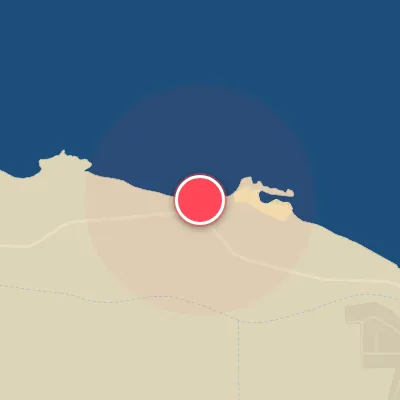
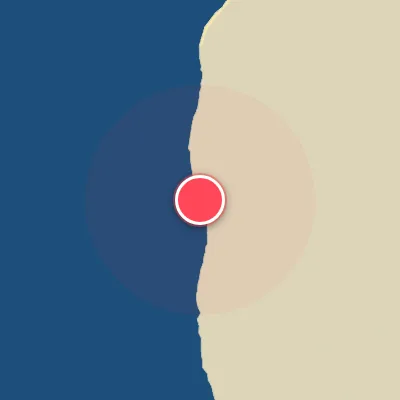
Spot Conditions Map
Hover over the hourly chart columns to update the wind & swell direction overlays on the map.
Today's Surf & Wind Forecast (Hourly)
Loading forecast text...
Spot Overview & Description
Jobo’s is a North Coast staple, delivering consistent, rippable surf with a distinctly Puerto Rican vibe. This beachbreak-reef hybrid offers a bit of everything: a prominent right-hander peels off the rocky eastern headland, offering speedy, racetrack walls that handle swell from 3 to 7 feet. Inside, sandy areas provide a quick escape from the reef, though the uneven bottom still demands respect—urchins and grazes are a real possibility. The scattered peaks also produce a workable left at mid-beach, and during the right swell, plenty of other peaks pop down the line. The wave is quick and reactive, best under north to northeast groundswells and southeast or south winds. Low to mid tide typically cleans up the shape, though high tide remains surfable. Access is effortless: park close, walk on, and you’re in. But expect company—Jobo’s draws a steady mix of locals and visitors, so bring your best etiquette and a respectful attitude. For peak season, target late summer and fall for tropical systems, or the consistent pulses from fall through early spring. Skill levels range from beginner-friendly inside sections to punchier, more critical faces when it’s on. The vibe may be laid-back, but the wave demands your attention.
Best Surf Season & Climatology
Best Surf Season (October - March)
The North Atlantic winter roars to life from October through March, delivering the most consistent and powerful swell to Playa Jobos. As extratropical cyclones deepen off the US East Coast and track toward the North Atlantic, they generate long-period groundswell from the NNE and N directions that wrap directly into this NNW-facing reef. Average wave heights sit around 1.7 to 1.9 meters with periods averaging 9.6 to 9.8 seconds, often pushing into the powerful 10-14s range. While the dominant trade winds blow from the ENE, periods of offshore flow from the south quadrant (S, SSW, SW) occur roughly 40% of the time, providing clean conditions. These months offer the highest probability of solid, rippable waves with occasional pumping sessions when a strong frontal system aligns with a southerly breeze.
Fair Surf Season (April, May, September)
During the shoulder months, the swell machine begins to slow down as the North Atlantic storm track shifts northward. April still sees decent swell heights averaging 1.6m with periods around 9.3s, but the energy starts to taper. May and September bring average heights just 1.3-1.4m and periods of 8.4-9.0s, resulting in smaller, fun-sized waves. The good news: wind conditions become more favorable for surfing, with ideal offshore wind percentages climbing to 47-64%. Most of the swell arrives from the ENE and E, which is not optimal for the spot's orientation, but occasional pulses from the NNE can still provide quality waves. It's a season of trade-off: smaller surf but cleaner conditions.
Low Surf Season (June - August)
Summer months from June through August represent the low point for surf at Playa Jobos. Swell heights average a meager 1.3-1.4m with short periods of 7.2-7.4s, indicating predominantly weak, short-period windswell. The overwhelming majority of swell comes from the ENE and E (over 90%), directions that offer little to no exposure for this NNW-facing beach. What little energy reaches the spot is often choppy and mushy. On the bright side, offshore wind conditions are plentiful (50-63% ideal), meaning if any solid swell were to appear, it would be clean. However, the lack of consistent groundswell from the northern quadrants makes this a time for groveling boards and flat spells.
Detailed Surf Information for Playa Jobos
Detailed Surf Forecast
Access our detailed 8-day swell and wind forecast charts for Playa Jobos with tidal graphs, period ranges, and daily forecast text summaries.
Swell & Wind Statistics
Explore historical swell consistency, wave heights, and offshore wind windows month-by-month, compiled from over 40 years of data.
Historical Surf Report
Browse the historical database archives to view past wave reports and understand spot climatology during specific years and months.