Map
Map
Playa Teta
Today's Surf Conditions at Playa Teta
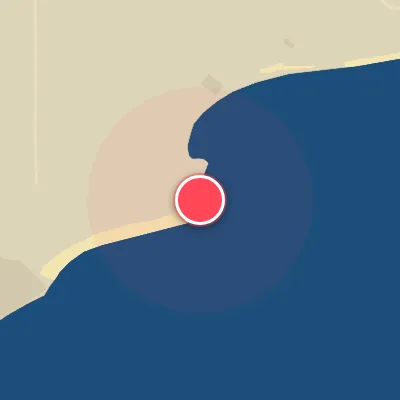
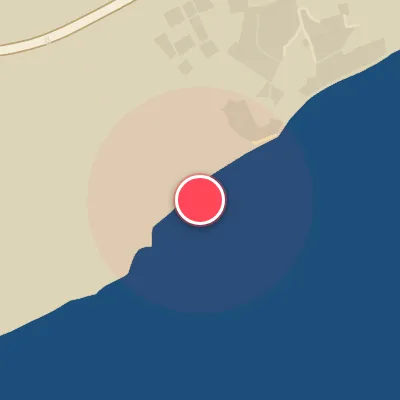
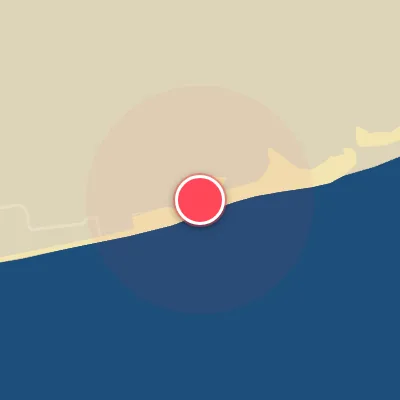
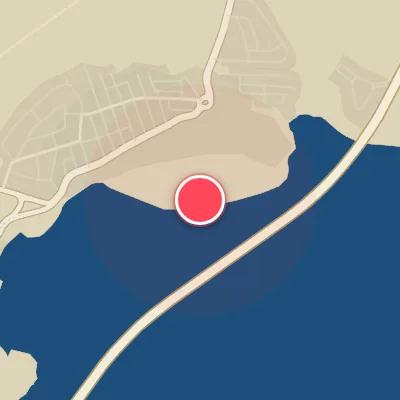
Spot Conditions Map
Hover over the hourly chart columns to update the wind & swell direction overlays on the map.
Today's Surf & Wind Forecast (Hourly)
Loading forecast text...
Spot Overview & Description
Tucked alongside a river mouth where freshwater meets the Pacific, Punta Teta is a local favorite prized for its easy access and punchy, dependable waves. The sandy-reef bottom, shaped by the outflow, creates a dynamic surf zone that can shift from one session to the next, keeping intermediate surfers on their toes. Expect a lively scene on weekends, with a steady crowd of locals eager to share the peaks. The magic happens when a south or southwest swell rolls in, with waves holding up to about 3 feet. On low to mid tide, fast, racing lefts peel off the Frente Teta section, delivering a playful challenge. As the tide pushes higher, clean A-frame peaks appear, offering good options for both left and right-hand rides over the uneven reef and sand mix. North winds are your best bet for clean conditions, smoothing out the faces and improving the shape. Best suited for intermediate surfers looking to sharpen their skills, Punta Teta rewards those who adapt to its fickle, river-influenced breaks. Keep an eye on tide and swell forecasts—conditions can change quickly, but when it lines up, this spot delivers a rewarding session with plenty of local flavor.
Best Surf Season & Climatology
Best Surf Season (May - August)
The heart of the south swell window arrives as the Intertropical Convergence Zone shifts north, firing long-period groundswells from the deep South Pacific. Playa Teta consistently sees waves in the 0.5-1m range, but with periods often exceeding 13 seconds, these are far from your average knee-high slop. The dominant SSW swell direction aligns perfectly with the beach's south-facing exposure, wrapping nicely into the bay. Meanwhile, the trade winds weaken and the Pacific high-pressure system relaxes, giving way to lighter, more variable winds. Thankfully, the prevailing NNW to N flow still blows offshore a solid 60-70% of the time, keeping the wave faces clean and lined up. It's a classic summer setup: warm water, consistent long-period swell, and glassy mornings. Don't let the modest wave heights fool you – when the period is right, these waves pack plenty of punch for grovelers and shortboarders alike.
Fair Surf Season (April, September - November)
These shoulder months offer a mixed bag but can still deliver excellent sessions. April sees the transition from north to south swell dominance, with SSW energy starting to ramp up and wind consistency still high (65% offshore). September and October, however, are a gamble: the fetch of the south swell machine remains full-on with a near-total dominance of SSW swell (over 95%), but the winds become more erratic as the ITCZ lingers. Onshore breezes from the SW and WSW creep in more often, dropping the ideal wind percentage to around 50-53%. Yet, when a strong high-pressure cell builds behind a cold front, it can drain northward, delivering clean offshore NW winds and glassy waves that rival the summer peak. November sees a return to steadier offshore flow (65%) as the trade regime reestablishes, but the swell energy begins to mix with shorter-period north pulses. The savvy surfer pays close attention to synoptic charts during these months – the right combination of a passing front and a lingering south swell can produce epic, shoulder-high surf with a tropical backdrop.
Low Surf Season (December - March)
The winter months bring a complete reversal – the dominant swell direction shifts to a north-northeasterly regime, generated by cold fronts and strong high-pressure systems over the Gulf of Mexico and the Caribbean. Playa Teta, facing SSE, sits in the shadow of this north pulse, so the vast majority of that energy is blocked or diffracted into weak, short-period windswell. While the wind is offshore and strong from the N and NNW over 60% of the time, the wave quality suffers due to the wrong swell angle. Averages drop to a small 0.7-0.8m with periods in the 7-9 second range, making for choppy, blown-out conditions even with favorable winds – though rare longer-period windows from the SSE or S can sneak in if a southern hemisphere storm aligns perfectly. The only saving grace is that the offshore winds are so consistent that any minor south swell will be groomed to perfection. For the patient surfer, a winter session here is about waiting for that brief south window, not the prevailing north junk. Most of the time, you'll find smaller, less organized waves – better suited for a longboard or a day at the beach.
Detailed Surf Information for Playa Teta
Detailed Surf Forecast
Access our detailed 8-day swell and wind forecast charts for Playa Teta with tidal graphs, period ranges, and daily forecast text summaries.
Swell & Wind Statistics
Explore historical swell consistency, wave heights, and offshore wind windows month-by-month, compiled from over 40 years of data.
Historical Surf Report
Browse the historical database archives to view past wave reports and understand spot climatology during specific years and months.