Map
Map
Porto da Cruz
Today's Surf Conditions at Porto da Cruz
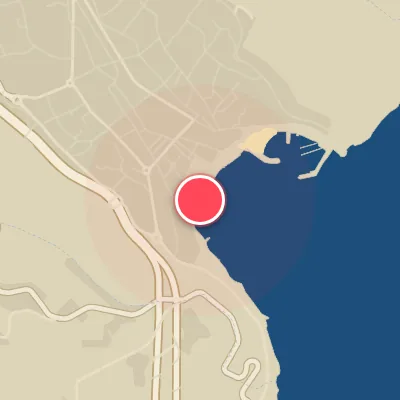
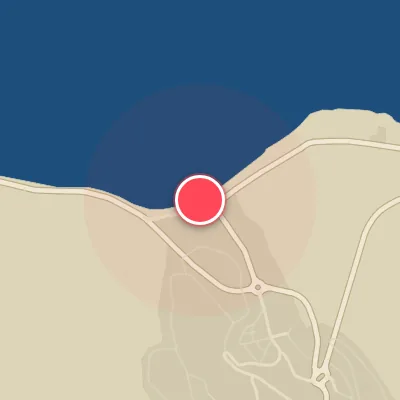
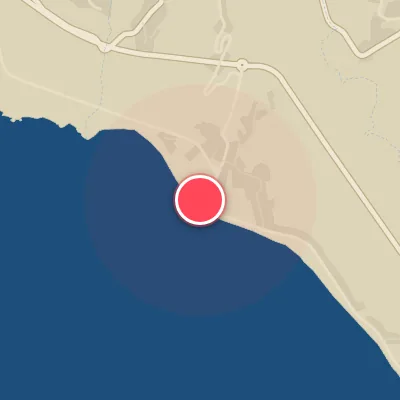
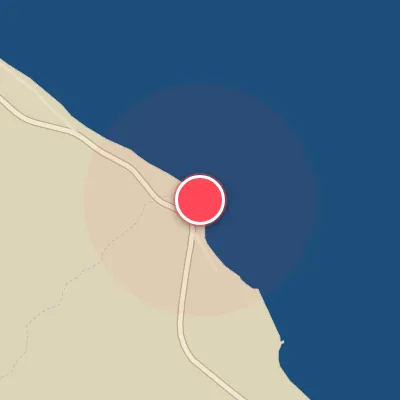
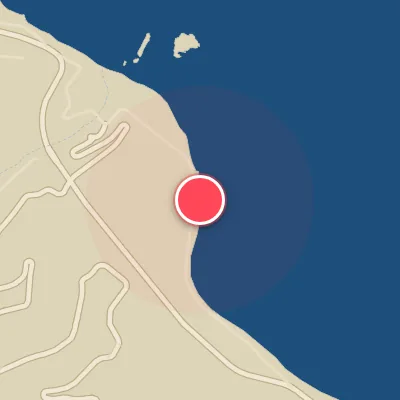
Spot Conditions Map
Hover over the hourly chart columns to update the wind & swell direction overlays on the map.
Today's Surf & Wind Forecast (Hourly)
Loading forecast text...
Spot Overview & Description
Porto da Cruz is a left-hand reef break that unloads over a bed of sharp, unforgiving boulders. Once a go-to for Funchal’s young and adventurous surf crews, it earned a reputation as a user-friendly wave with a playful personality. That changed when the seawall went in. Now the lineup has become more treacherous, with shifting currents and a heavier, more critical drop that punishes mistakes. For experienced surfers only. A massive seaside pool sits just steps from the break, but don’t let the scenery fool you: consistency is the real story here. It’s a long journey for a spot that fires only on select swells, and even then, conditions need to align perfectly. A high-risk, low-frequency gem best left to those who know exactly what they’re getting into.
Best Surf Season & Climatology
Best Surf Season (October - March)
The North Atlantic truly awakens during this half-year window, delivering a steady parade of powerful, long-period swell to the northeast-facing shores of Porto da Cruz. With average swell heights ranging from 2.0m in October to a peak of 2.6m in January, and average periods consistently above 11 seconds, these months produce the most consistent and rideable waves. The ideal offshore wind window from the south through southwest also reaches its climatological maximum during this period, with ideal wind frequencies hovering between 22% and 26%. This combination of ample swell and favorable wind alignment creates the best conditions for quality surf at this exposed beach. The Azores High typically weakens in winter, allowing deep Atlantic lows to track southward, firing NW to NNW groundswells that wrap into the bay, often with clean, lined-up faces when the wind plays ball.
Fair Surf Season (April, May, September)
As the seasons transition, the swell energy begins to taper but still offers plenty of fun, rideable waves. April sees an average swell height of 2.1m with a period of 11.2s, while May drops to 1.7m and 10.0s. September marks the return of longer-period swell (10.5s) as autumn storms start to develop. Ideal wind frequencies hold around 17-19% during these months, meaning offshore conditions are less common but still occur with enough regularity to score clean sessions. The swell direction favors the north-to-northeast quadrant more than in winter, which aligns well with the spot's optimal exposure. These months are ideal for intermediate surfers looking to avoid the heavy winter crowds while still enjoying solid, rippable waves on the right days.
Low Surf Season (June - August)
Summer in Madeira brings the most consistent onshore wind regime, with the trade winds dominating from the north and northeast. At Porto da Cruz, this translates to a significant increase in bumpy, choppy conditions as the wind blows directly against the swell direction. Ideal wind frequencies plummet to just 2-11%, and average swell heights drop to 1.4-1.5m with periods under 10 seconds. While the swell direction remains favorable (mostly from the north to northeast), the persistent onshore flow degrades wave quality substantially. Occasional pulses of long-period groundswell can still sneak through, but they are rare and often accompanied by stiff northerly winds. This is the quiet season for consistent, high-quality surf; a time for groveling on small, wind-affected waves or exploring other spots with different exposures.
Detailed Surf Information for Porto da Cruz
Detailed Surf Forecast
Access our detailed 8-day swell and wind forecast charts for Porto da Cruz with tidal graphs, period ranges, and daily forecast text summaries.
Swell & Wind Statistics
Explore historical swell consistency, wave heights, and offshore wind windows month-by-month, compiled from over 40 years of data.
Historical Surf Report
Browse the historical database archives to view past wave reports and understand spot climatology during specific years and months.